Circular economy at V-ZUG – responsibility across the entire life cycle | V-ZUG Ireland

Circular economy at V-ZUG – responsibility across the entire life cycle

V-ZUG is aligning its long-term sustainability strategy with the principles of the circular economy—closing material loops, taking responsibility across the entire product life cycle, and shaping a more sustainable future through strong partnerships.
Building longevity with a circular mindset

At V-ZUG, circularity means designing appliances and processes that minimize waste and maximize resource efficiency throughout their lifecycle. From durable materials and repair-friendly designs to recycling initiatives and energy-efficient production, we take responsibility for every step – ensuring sustainability is built in, not added on.

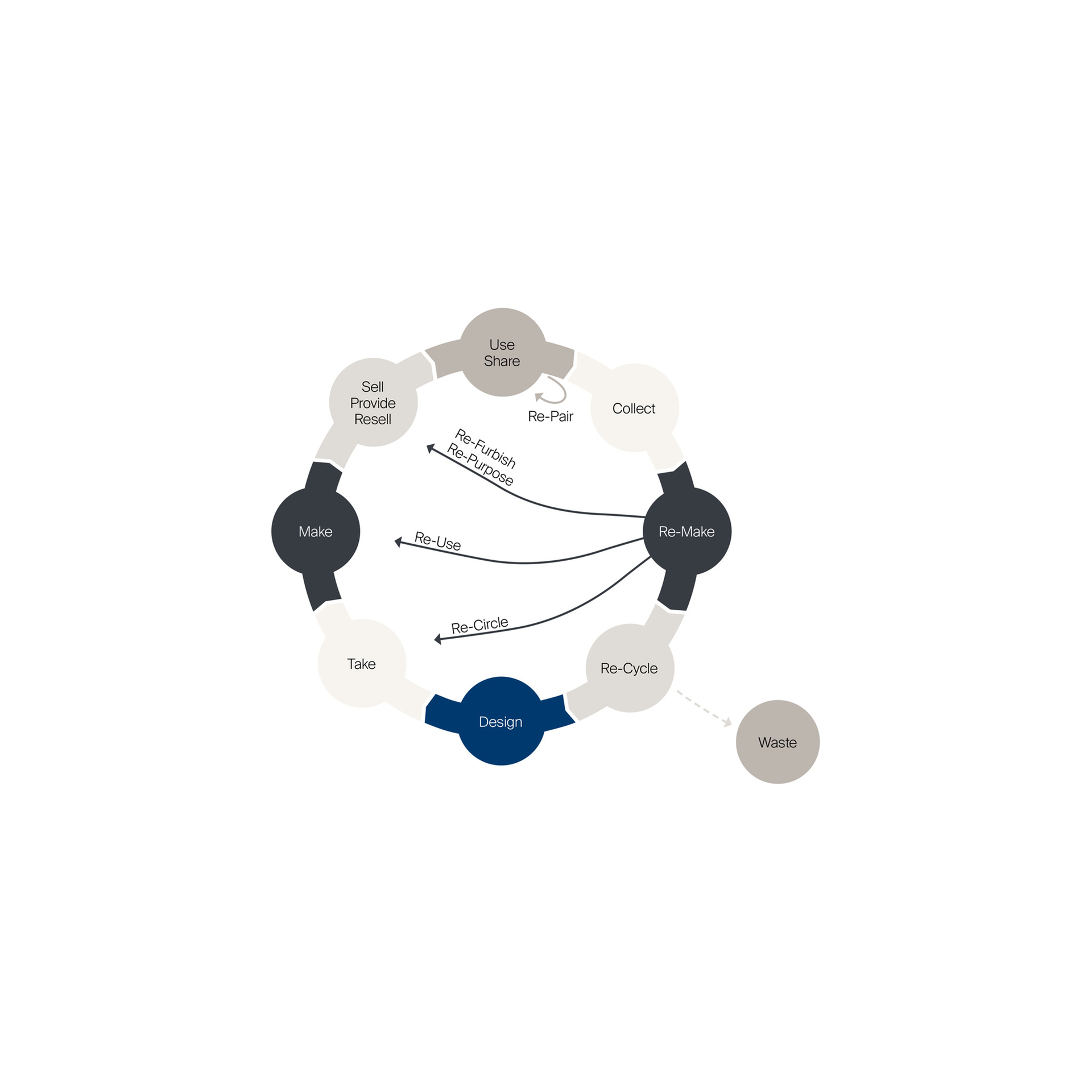
For us, a sustainable product starts at the development stage. This early stage is where we can most influence its “long-term” sustainability. Here, we focus on the consistent implementation of circular principles and increase the transparency of our environmental footprint using life cycle assessments.

Our suppliers are important partners in the circular economy and make a significant contribution to quality. It is therefore important to us to maintain a relationship of trust with them. We usually involve them in the development process at an early stage in order to work out suitable solutions together. 55% of our suppliers are located in Switzerland and a further 35% in neighbouring European countries. We carry out the majority of our supplier audits ourselves.

At V-ZUG, we have been committed to providing our customers with the best solutions for washrooms and kitchens for over 100 years. To this day, our employees continue to manufacture our products with great dedication at our two Swiss sites in Zug and Sulgen. In order to continue our successful research, development and production, we are making our think tank and workplace fit for the future. Our new headquarters is currently being built on our main site, which will increasingly be supplied with local renewable energy from photovoltaics, groundwater, waste heat and lake water. Verticalisation of the factory will allow us to use the available space even more efficiently. Sustainability also plays a significant role in the construction of the buildings and procurement of new equipment.

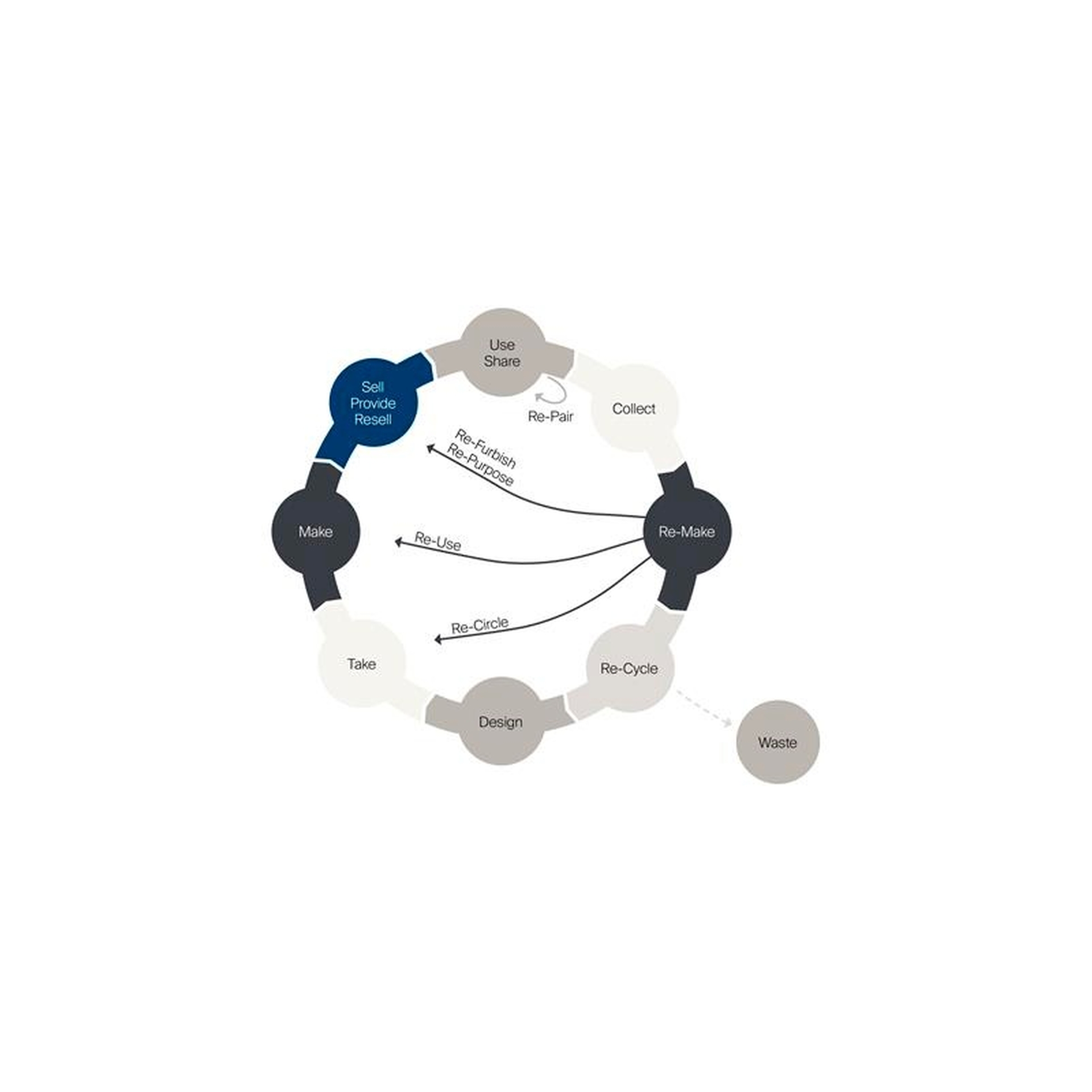
In our showrooms, we provide our customers with professional advice and offer suitable spare parts in our online shop if required. Alongside these traditional channels, we are also pursuing new, circular business models in which, for example, we offer the product as a service (PaaS) or refurbish and resell appliances after their first life (Second Life).

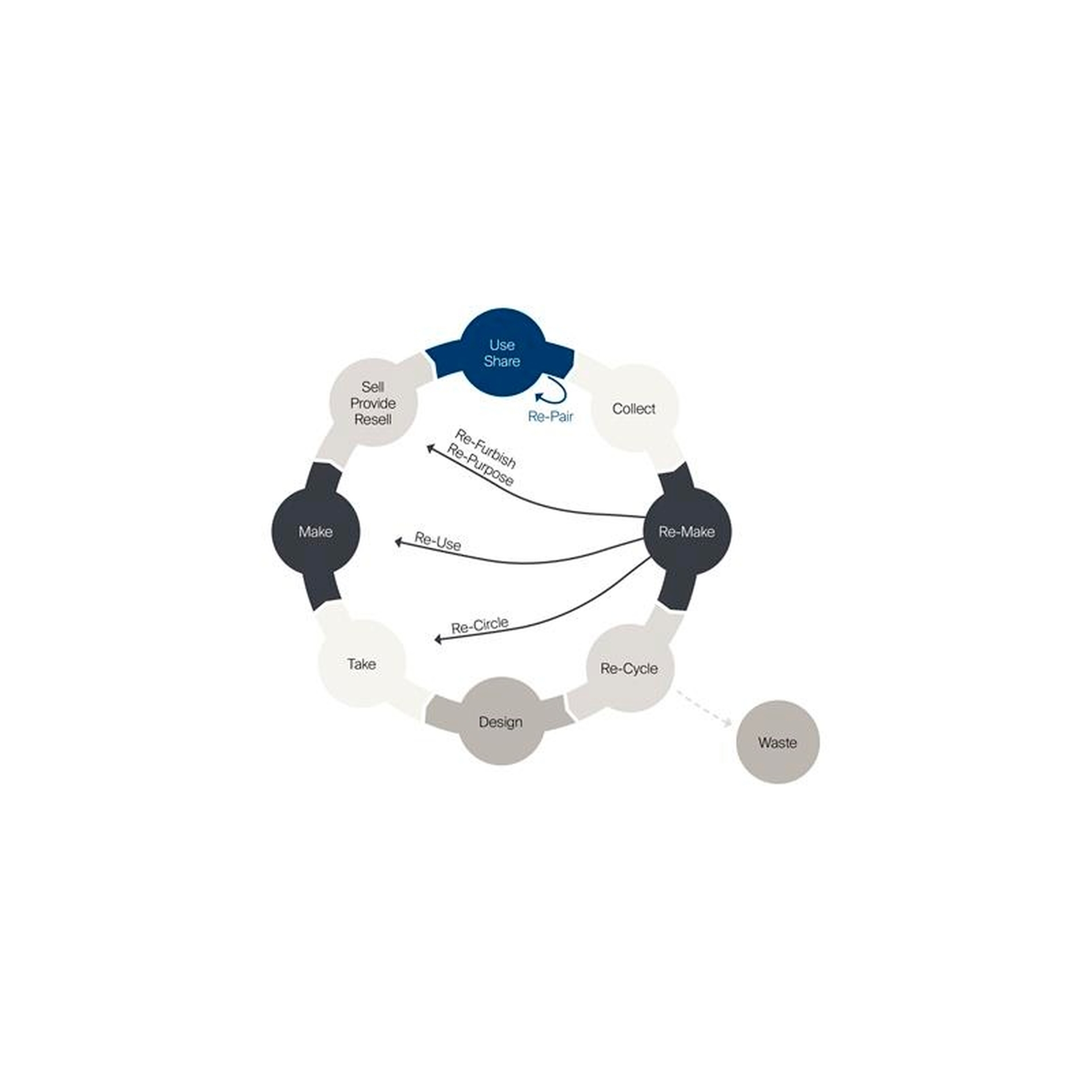
Choosing the right appliance and washing program has a significant impact on your household’s energy and water consumption. The efficient use of our appliances is supported by our EcoManagement, which makes water and electricity consumption visible and easy to track. To ensure the maximum service life of the appliance, our spare parts are available for up to 15 years. Should a repair or malfunction occur, our service technicians respond quickly to keep downtime as short as possible.

Whenever possible, appliances are repaired to extend their service life and maintain reliable performance. To support this commitment, V-ZUG offers spare parts for up to 15 years after the end of production and has its own responsive and competent service organisation.

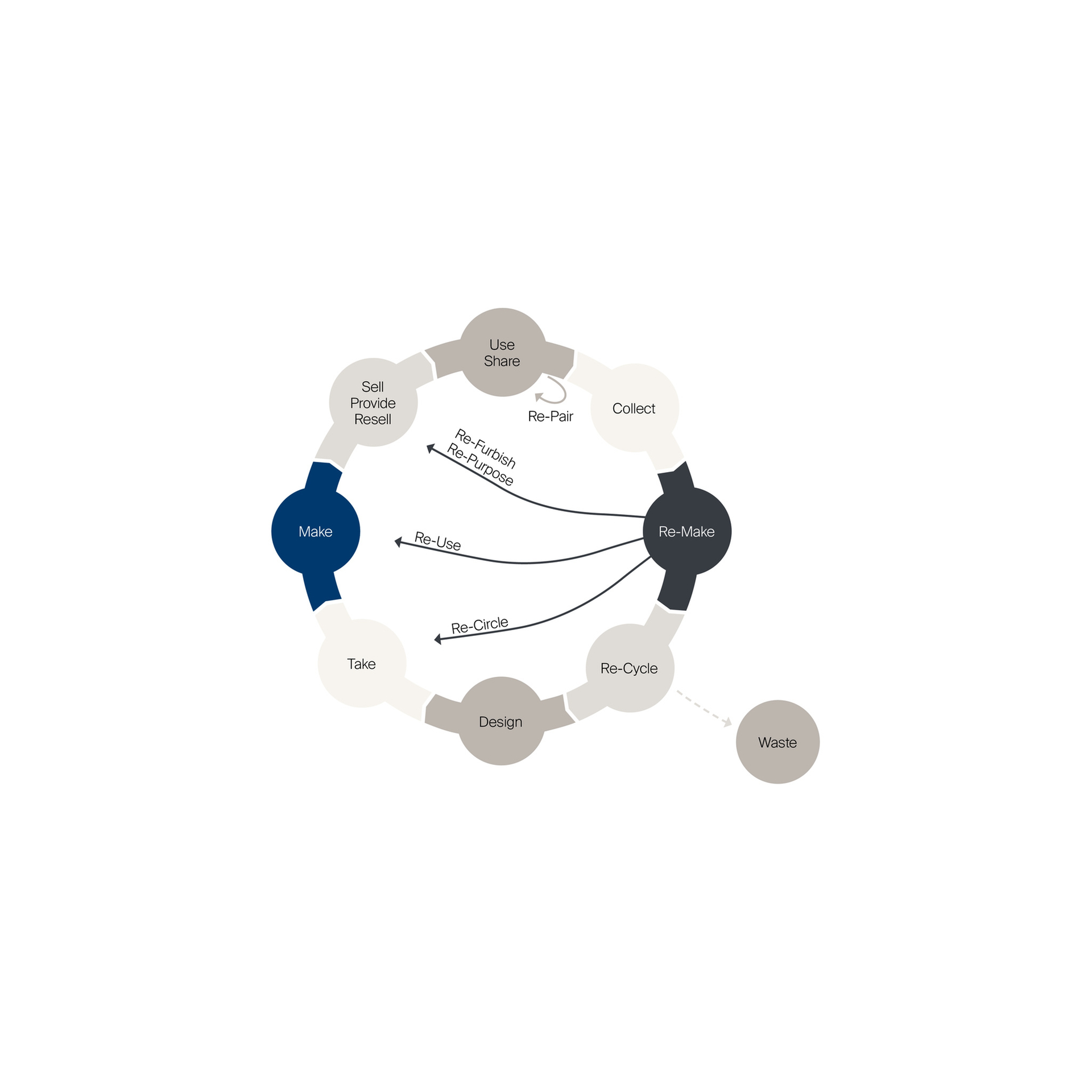
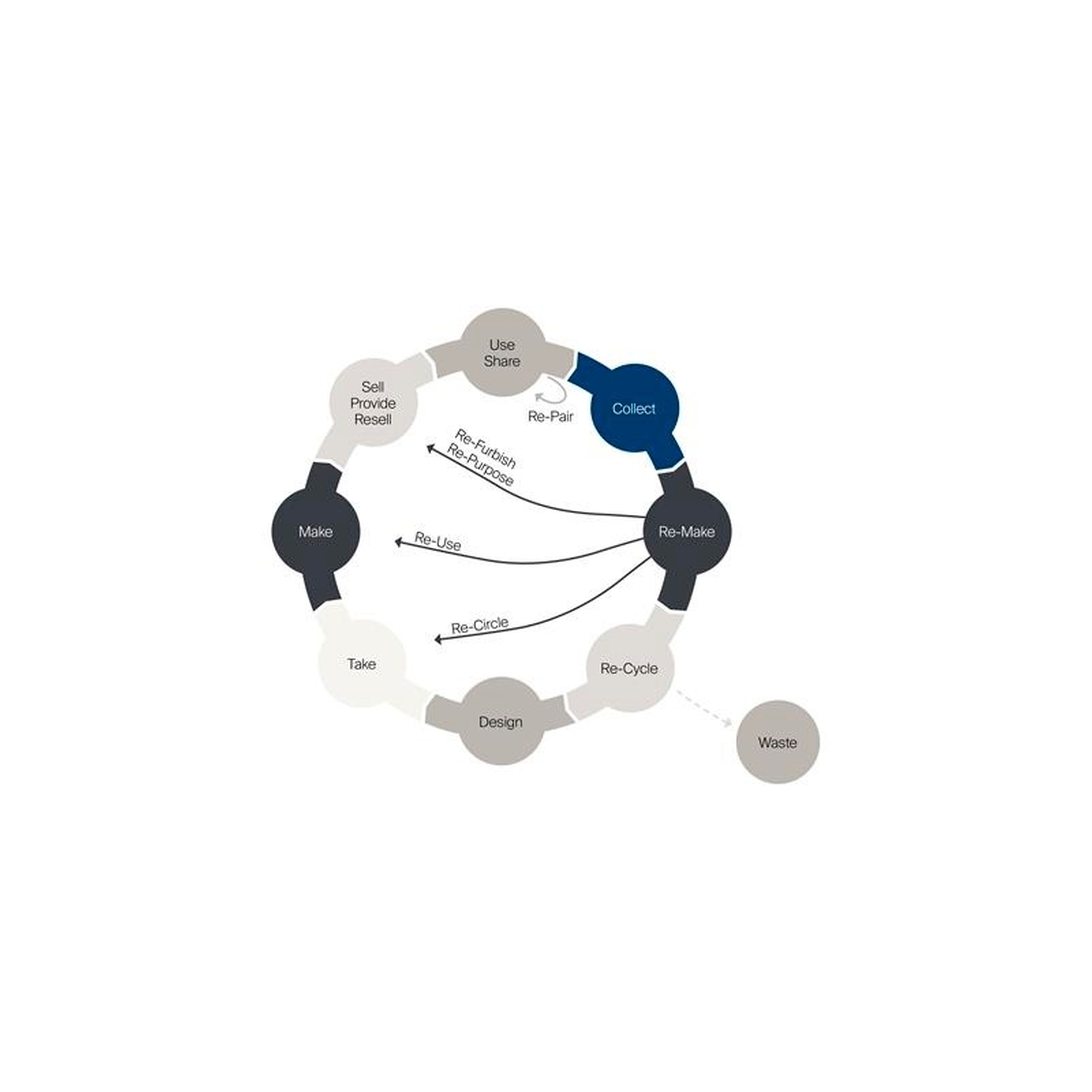
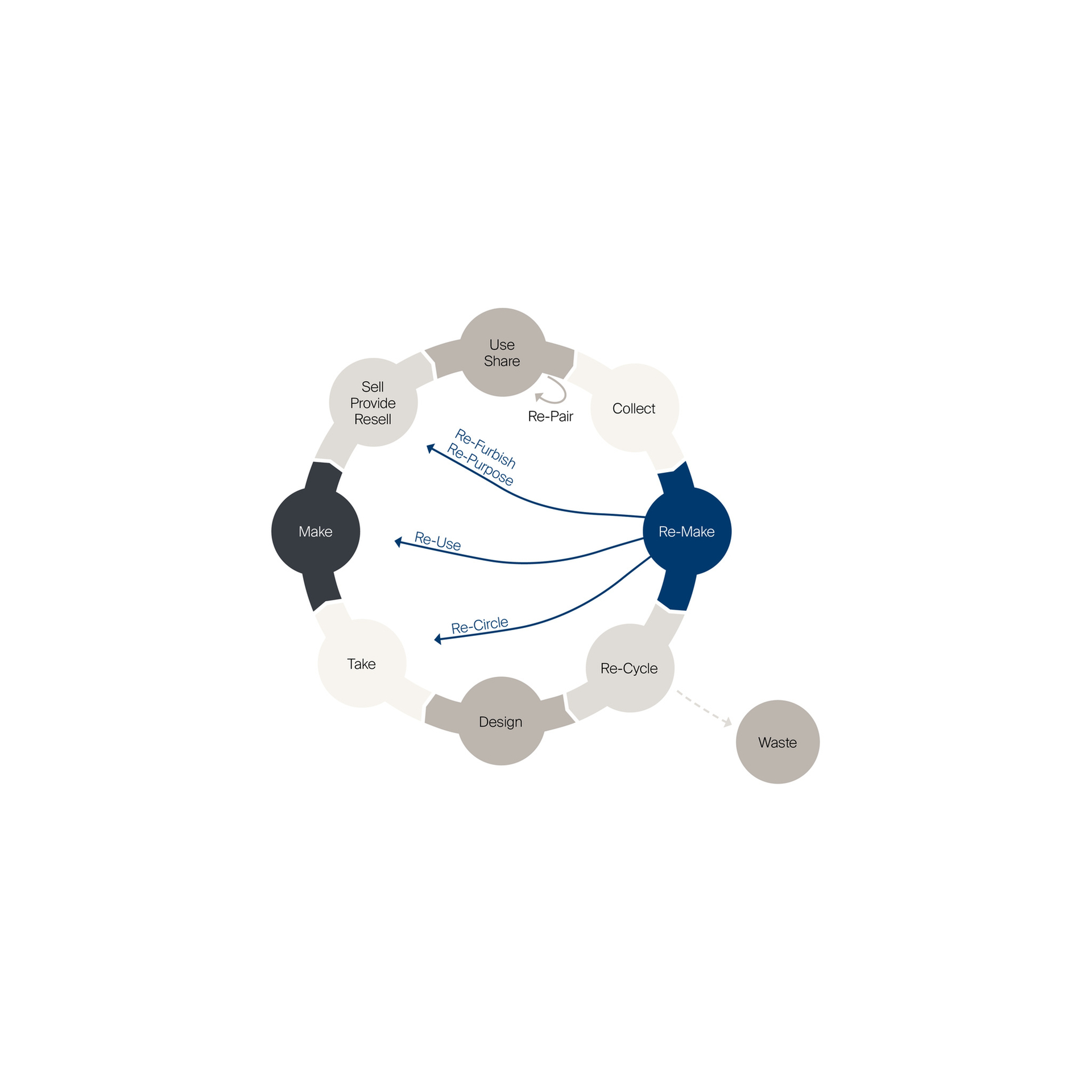
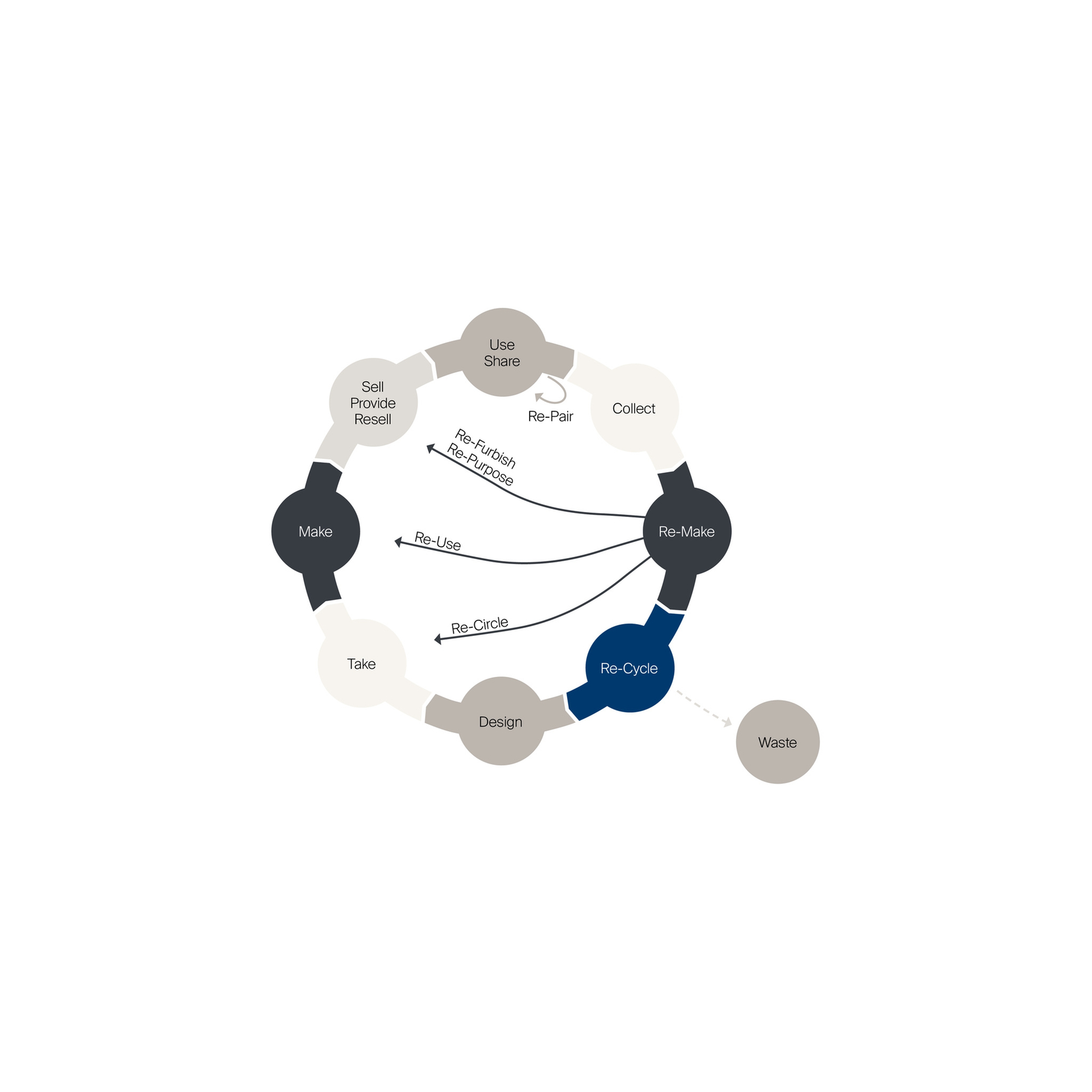
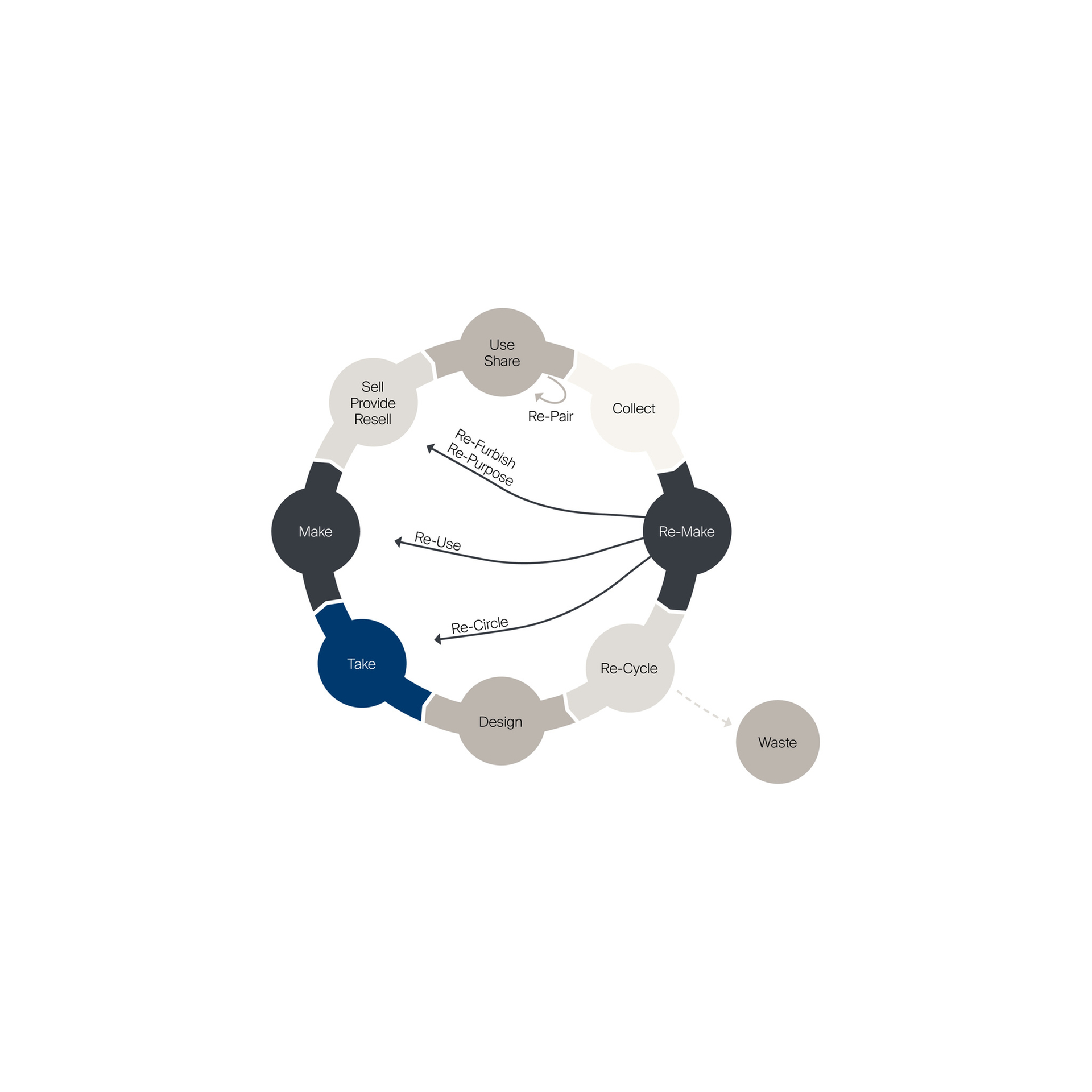
Once an appliance has reached the end of its service life, it is now returned for recycling via the service organisation or directly by the customer after replacement. In the future, in the circular economy, we plan to transport appliances to the circular factory (Re-Make) before they are recycled and will take efforts to recycle raw materials as much as possible.

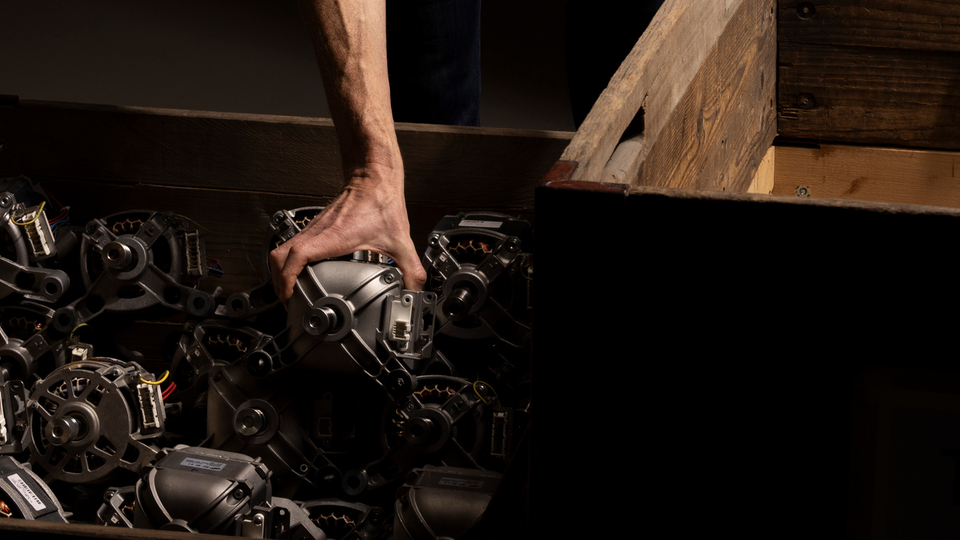
At V-ZUG, we are preparing to move away from sending products directly for recycling at the end of their life cycle, as is currently the case, and instead aim to achieve maximum reuse of raw materials in our circular factory (Re-Make). In line with the concept of “the opposite of make” (manufacturing of appliances), we focus on the refurbishment and reuse of appliances (Re-furbish). If this is no longer technically feasible, the appliances are dismantled and the materials are recovered in the best possible way. In doing so, we pursue the R strategies: Reuse, Recycle, Recircle, and Repurpose.

Appliances that can be reconditioned and repaired after their first life (Re-furbish) are sold via their own sales channel (Resell), giving them a second life.

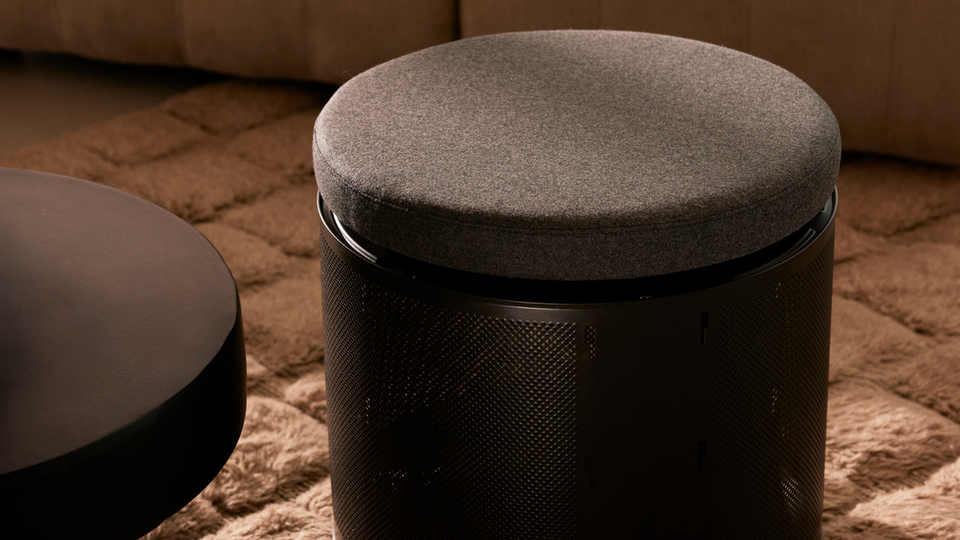
There are components that are very suitable for being transferred to a new purpose (Re-purpose). For example, if direct reuse is not possible, the cycle cannot be closed via the supplier or if suitable recycling is not yet available. For instance, old washing machine drums could be turned into new pieces of furniture.

If reconditioning no longer makes sense, the appliances are dismantled. The individual components are evaluated and assigned to different R strategies. The highest level is Re-use: components that can be reused in the production (Make) of new appliances immediately after a quality check.

Components and materials are tested with our suppliers to determine whether the resources can be kept in a closed loop. In this way, we become a raw material supplier for our suppliers and tap into valuable material flows.

After appliances have been dismantled, the raw materials are available in predominantly pure material groups, enabling them to be transferred for recycling with higher value. This is one advantage of the dismantling of appliances over the shredding process (today), which mainly produces mixed groups.

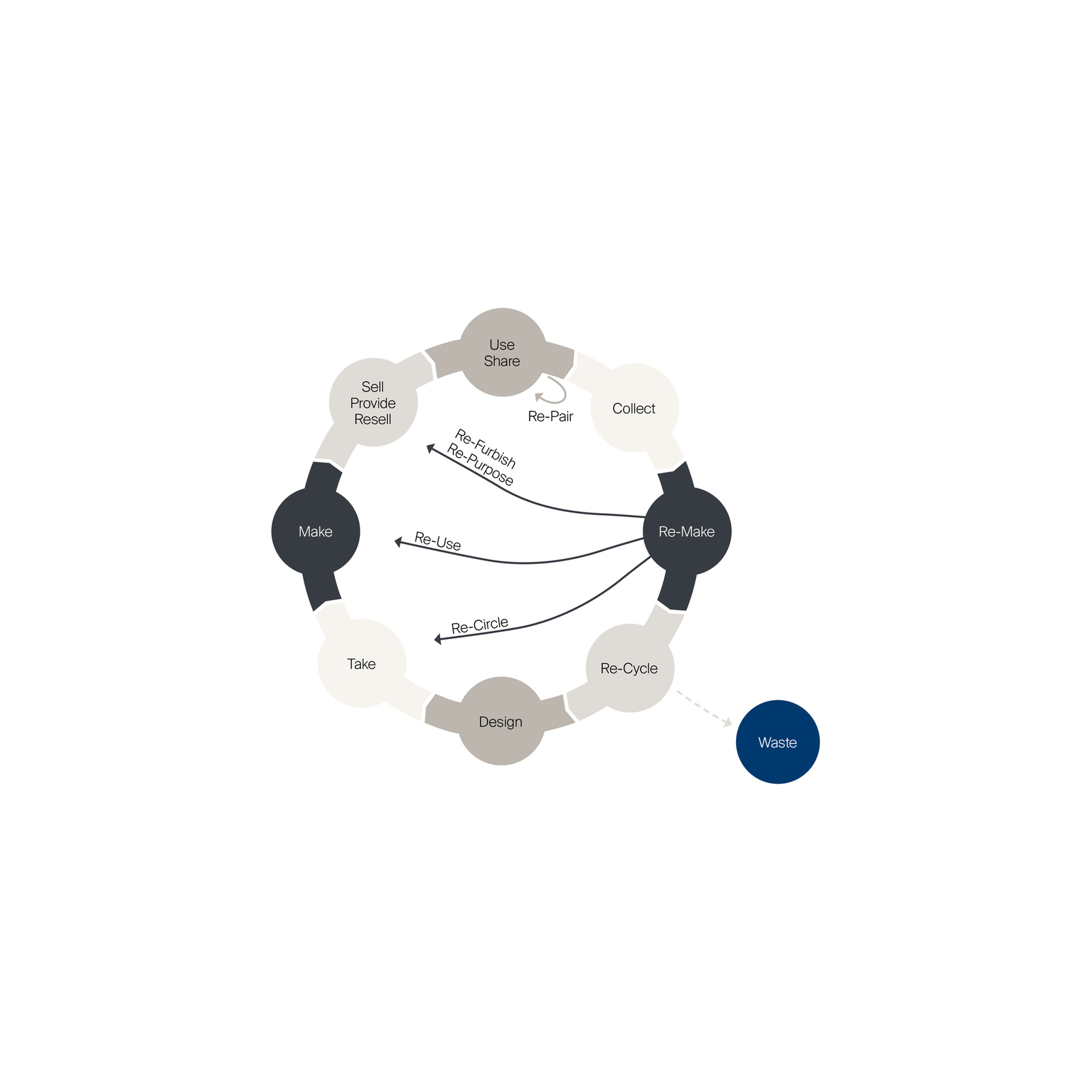
Generating waste is unavoidable during development, production, management, transport and disposal. We dispose of any materials that cannot be returned to the cycle properly. We are constantly optimising our waste processes to generate as little waste as necessary and to maximise the recyclability of the materials used.

V-ZUG is consistently aligning its long-term sustainability strategy with the principles of the circular economy. Although this transformation is in its early stages, we are pursuing this path with great determination. We see the gradual introduction of the circular economy as a necessary and strategic step. It will enable us to minimise the environmental impact of our business activities in the long term and reinforce our supply chains with closed materials cycles. This helps us increase our resilience and boost our competitiveness. In Switzerland and Europe, while our soils do not contain many raw materials, quite a few raw materials are used in products. The aim is to tap into these material cycles and evolve from a successful recycling economy into a circular economy.

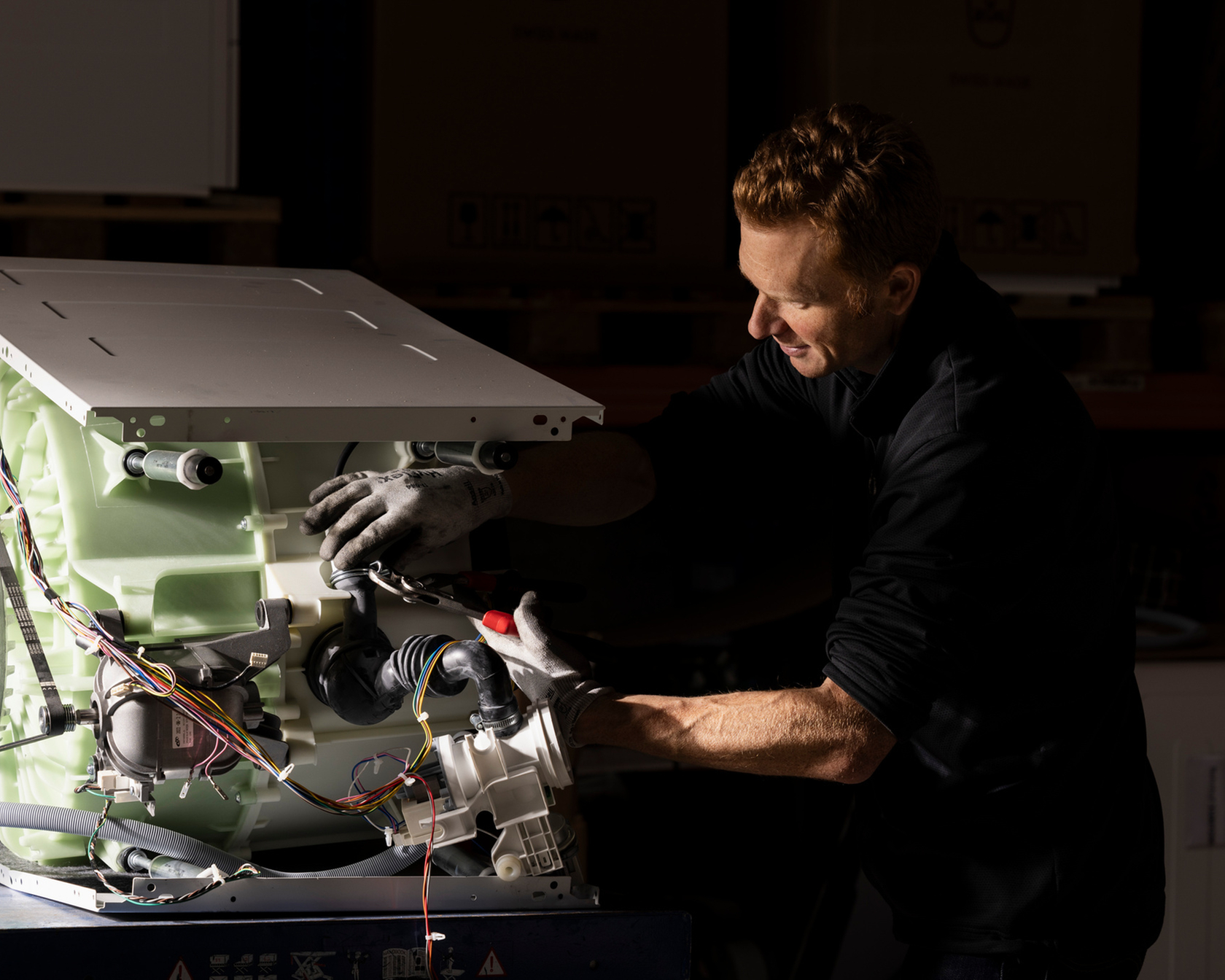
Technician repairs a washing machine in a workshop.

For V-ZUG, the circular economy means taking a holistic view of the entire life cycle of our products. This involves taking responsibility and closing materials cycles. This approach is only possible with good partnerships along the entire value chain. It opens up new opportunities in collaboration with our suppliers, the recycling industry and other partners. The process begins in the development phase, or more precisely in the design phase. This is where we lay the foundation for the future sustainability of our appliances: the selection of resources, use of materials and aspects such as durability, repairability, quality and energy efficiency have always been important. However, the newly defined “Design to Circularity Principles” go one step further, such as with “enabling easy disassembly”, “reusing parts” or “modular design”.

Production and marketing play an equally crucial role: how do we manufacture our products? How do they enter the market successfully? With the Product-as-a-service business model, for example, we no longer sell the appliances, but instead offer them for use and take full responsibility for the entire life cycle of the product. As a large part of the ecological footprint is created during the use phase, we rely on durable equipment and a strong service network. This enables repairs and in turn, extends the service life of our products. We are also working on continuously improving the energy efficiency of our appliances and offering comprehensive functions for ecological use. At the end of the life cycle, there are questions: what happens to worn-out appliances? How can we recover and reuse materials? Our aim is to keep resources in circulation for as long as possible – for a more sustainable future.

You can find out more about V-ZUG’s vision of “Closing the Circle 2040” here.
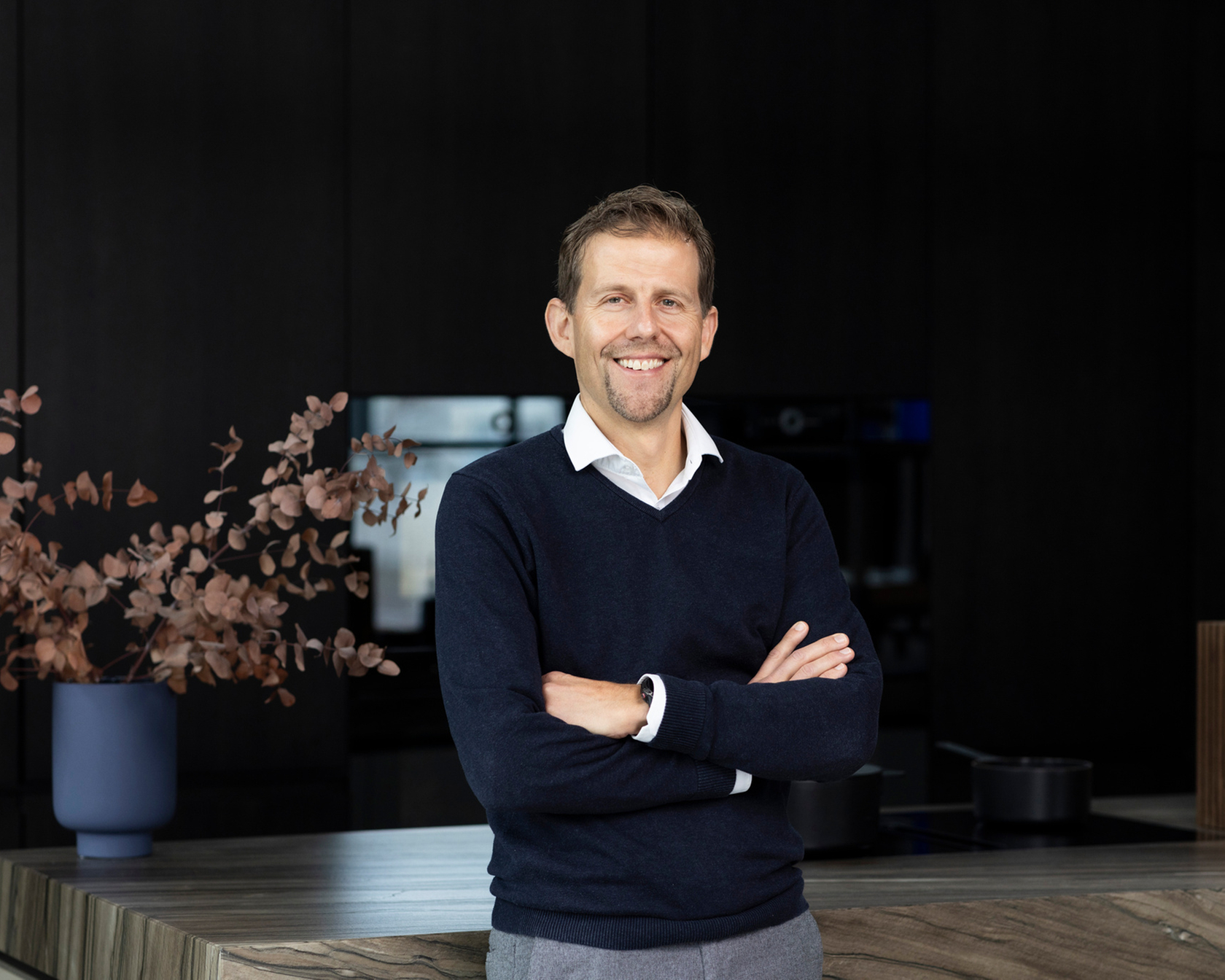
“Recycling is a good starting point, but we believe circular economy can take things further, because it keeps resources in the loop for as long as possible and at the highest possible value”. - Marcel Niederberger, Head of Sustainability
Download our sustainability report

Information concerning the measurable aspects of our activities can be found in the detailed report.

Our journey to a more sustainable tomorrow