Soft roasting | V-ZUG Israel

Soft roasting

Tender, juicy meat cooked evenly from edge to centre. Simply select your desired core temperature and cooking duration. Soft-roasting delivers consistently excellent results.

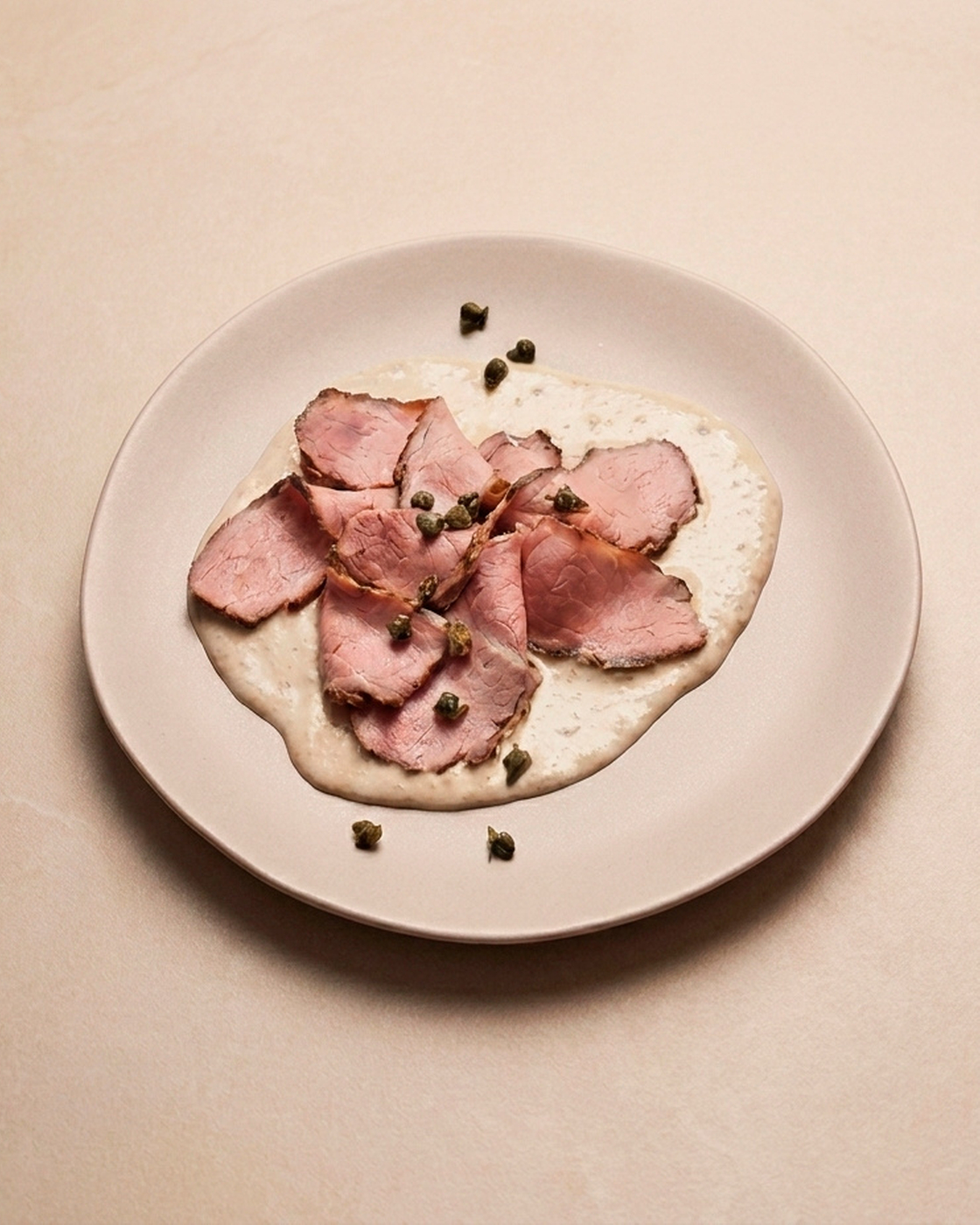
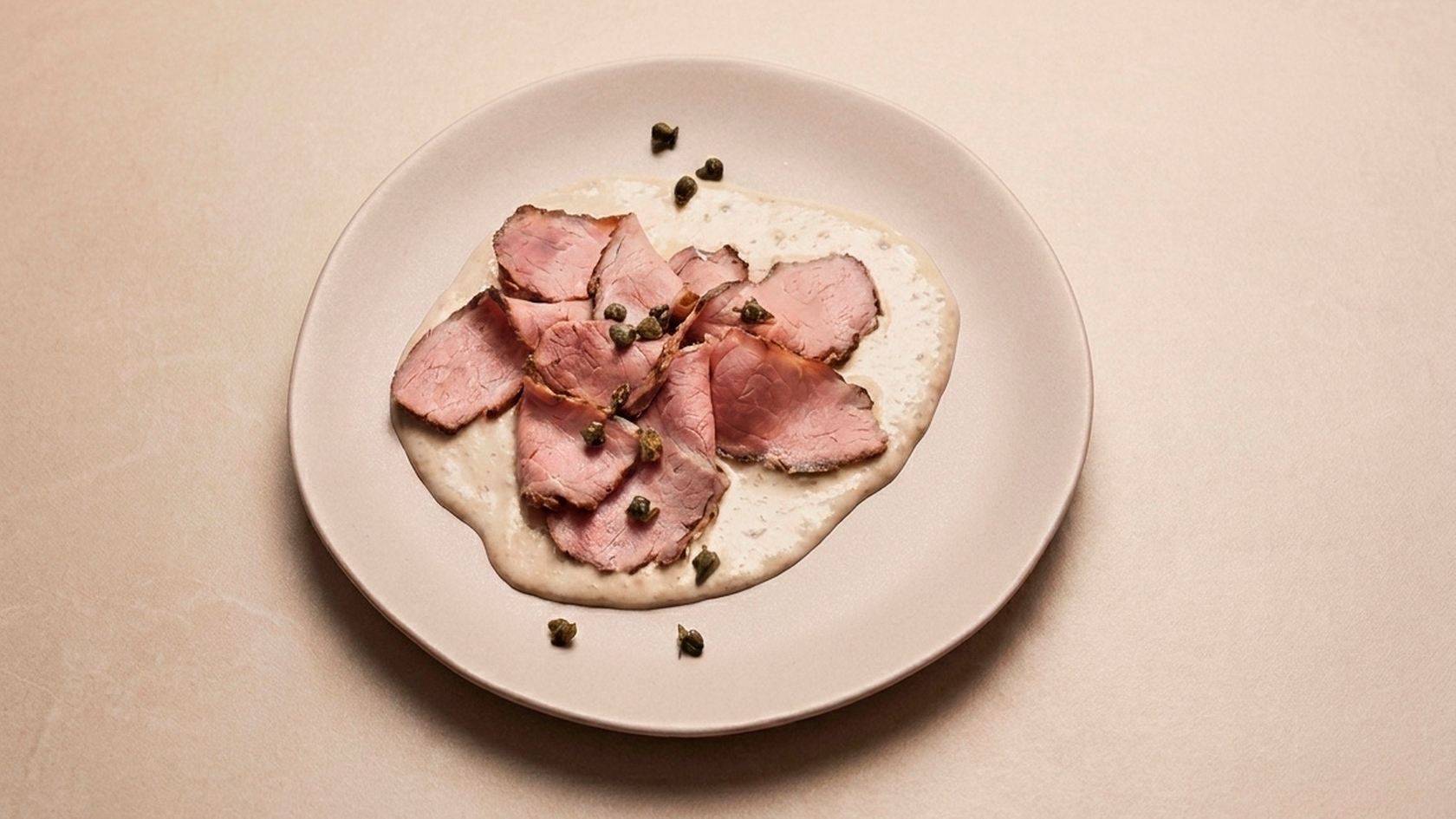
Vitello Tonnato served on a plate with capers as garnish.

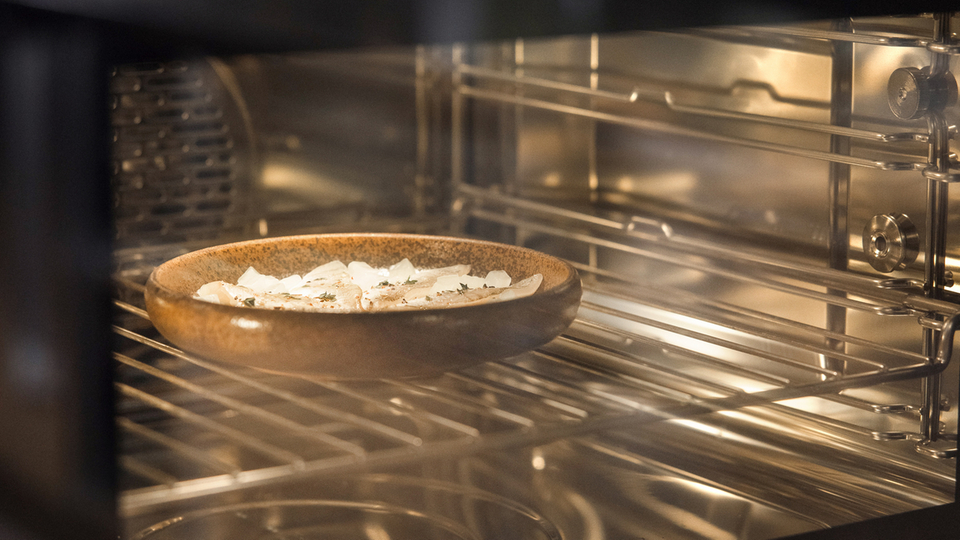
This function gently cooks tender or marbled cuts of meat to perfection. Using the food probe, it precisely finishes at your defined temperature and time. Automatic temperature control ensures tender results throughout. Ideal for long and slow cooking between 1.5 and 4.5 hours.

Start with room-temperature meat

Take the meat out of the refrigerator 30 to 60 minutes before cooking. Cold meat from the fridge cooks unevenly – the centre stays cooler whilst the exterior overcooks. Room-temperature meat allows heat to penetrate uniformly, producing consistent results throughout.
Choose the right cuts

Soft roasting works best with pieces between 500 g and 2 kg, and at least 4 cm thick. Smaller or thinner cuts cook too quickly and might dry out during the extended cooking time. Thicker cuts allow gradual, even heat penetration. They also make it easier to position the probe correctly.

Carefully select the meat

Use fresh, high-quality cuts that haven’t been overly aged. Lean, tender cuts like fillet or sirloin need shorter roasting times, while well-marbled cuts with connective tissue – shoulder, neck or brisket – benefit from longer cooking. The extended gentle heat breaks down collagen gradually, transforming tougher cuts into tender, melt-in-the-mouth meat.

Sear before soft-roasting

Searing at high heat triggers the Maillard reaction, creating a flavourful crust that roasting alone cannot achieve. If using marinades with herbs or mustard, wipe them off first – they might burn at high heat and turn bitter. Sear all sides quickly, no more than 5 minutes total.

Finish with a final sear

For a crunchy, just seared kind of crust, set the soft roasting temperature 1–3 °C below your desired doneness (larger pieces need less reduction, smaller pieces more). Finish on a hot grill or in a hot pan. This is also an excellent time to add butter or herbs for extra flavour.

Position the food probe

Correct probe placement is crucial. Insert it into the centre of the thickest part of the meat, ensuring all three rings (sensors) sit fully within the meat. This ensures accurate temperature readings and perfectly cooked results throughout.

Select automatic or custom settings

Browse the preset list to choose the right meat and cut. For specific cuts, select your preferred doneness (rare, medium, etc.). If your cut isn’t listed, choose “Select freely” and manually set your desired temperature. This method works equally well with large root vegetables like beetroot or celeriac.

Discover soft roasting recipes

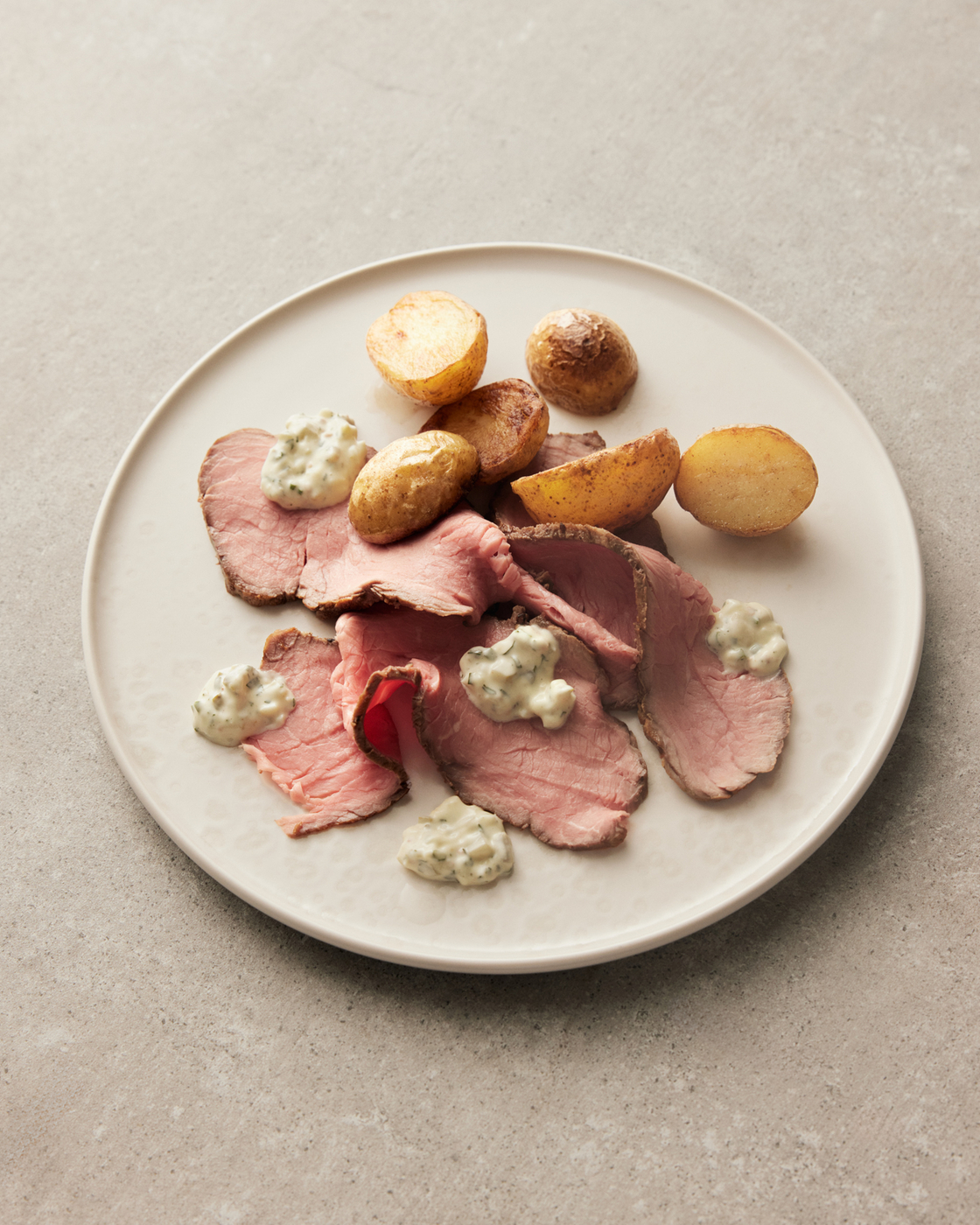
Fillet of beef with potatoes and creamy sauce on a plate

Roast beef with fried potatoes and tartare sauce

Tender roast beef with crispy fried potatoes and creamy tartare sauce A light but hearty summer classic.

View recipe
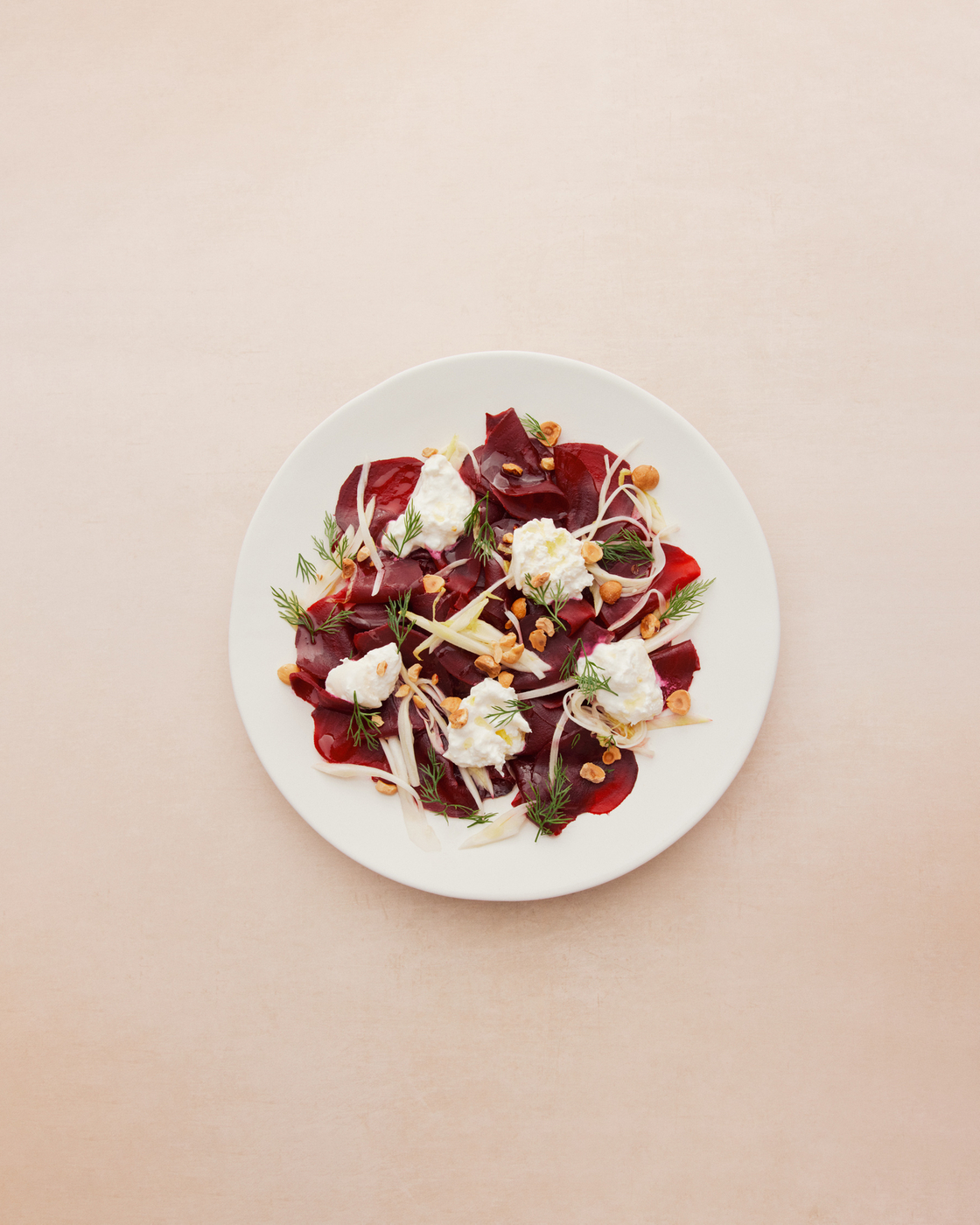
Beet salad with cream cheese, dill and nuts on a white plate.

Beetroot carpaccio with chicory and burrata

Beetroot carpaccio with chicory, roasted hazelnuts and burrata combines sweet and earthy to creamy and nutty components all on one plate.

View recipe
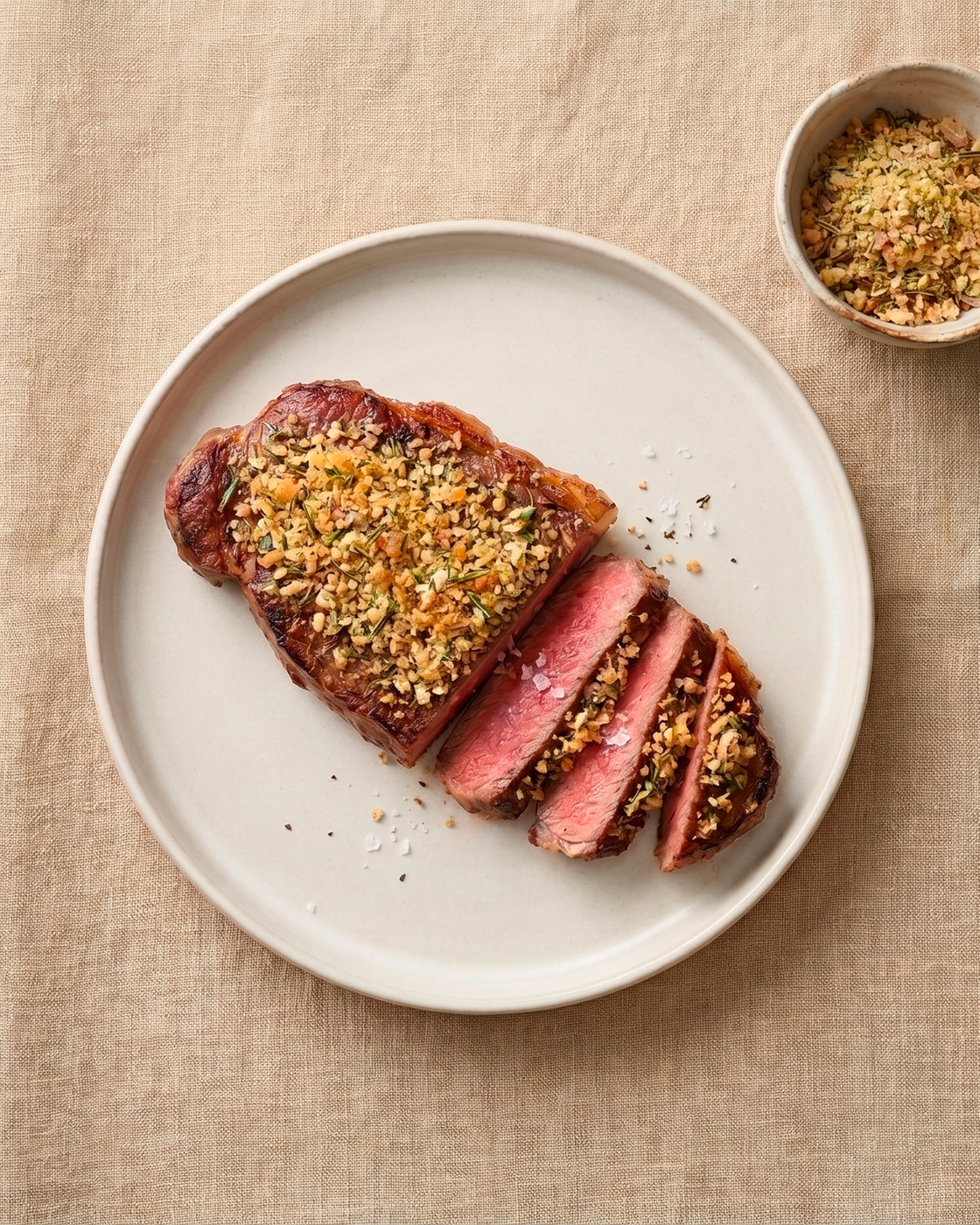
Steak with herb crust on a plate with herb mix as a side dish.

Sirloin

sirloin steak with herb breadcrumbs

View recipe
Vitello Tonnato served on a plate with capers as garnish.

Vitello tonnato

Vitello tonnato

View recipe
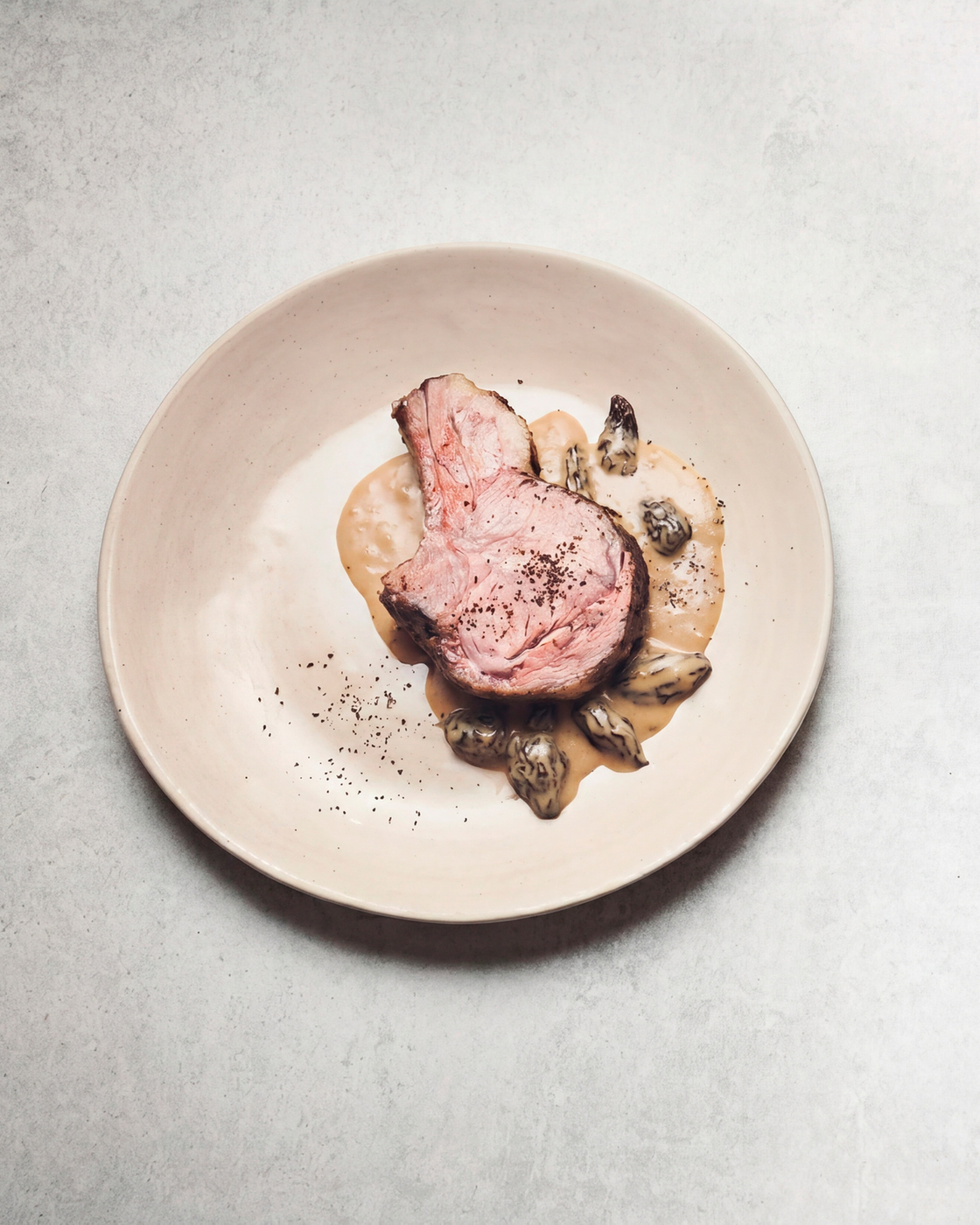
Dish on a plate with cutlery, presented in a minimalist style.

Veal chop

tender chop with morel sauce

View recipe

Explore similar functions