Precision and pleasure | V-ZUG Eurasian Economic Union

Precision and pleasure

Switzerland doesn’t make a spectacle of its food culture; it simply gets on with it. Beyond the clichés of fondue and chocolate lies something more layered: a culture comfortable with precision yet equally invested in pleasure; grounded in tradition, yet constantly evolving. Innovation doesn’t erase heritage here; it builds on it.

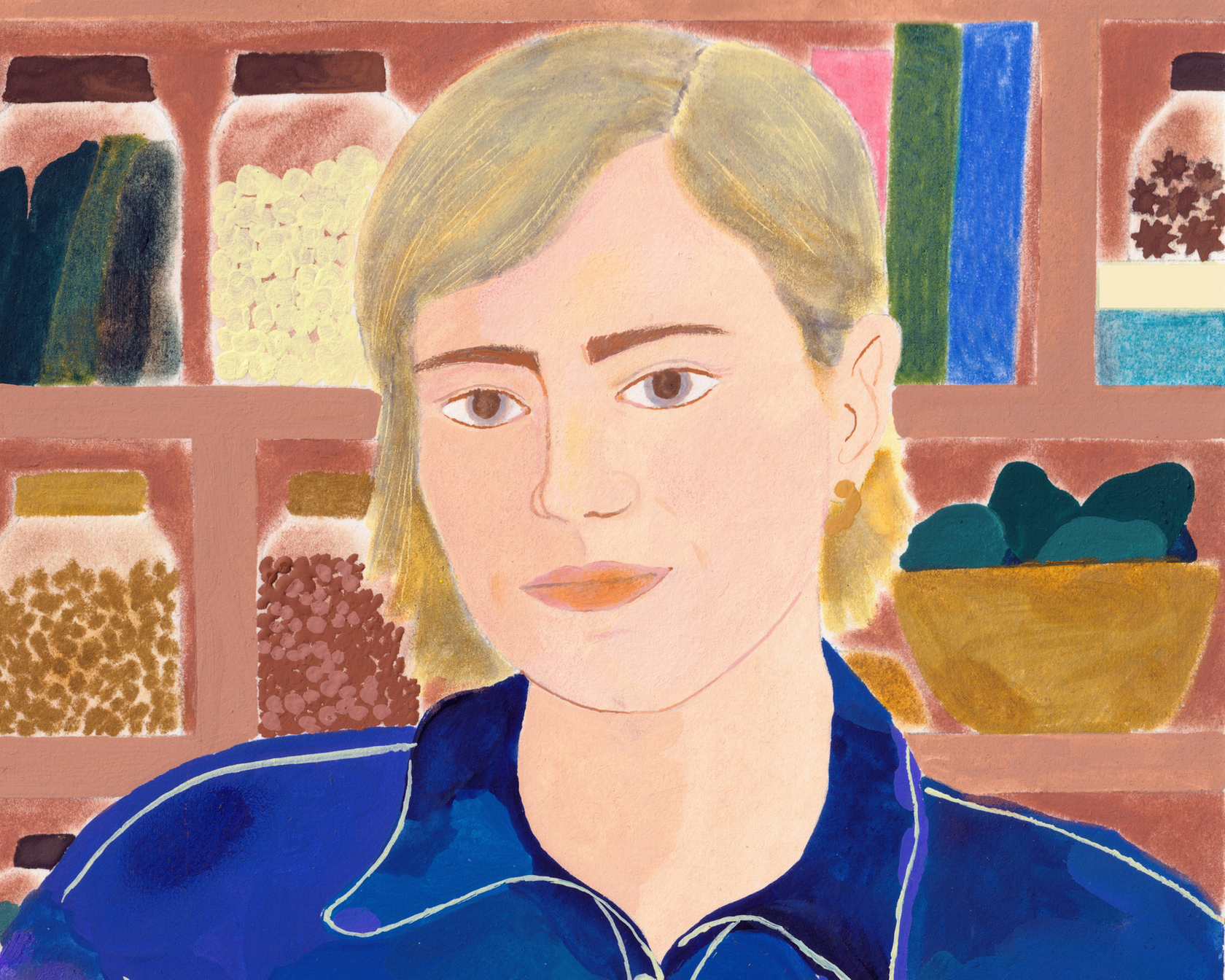
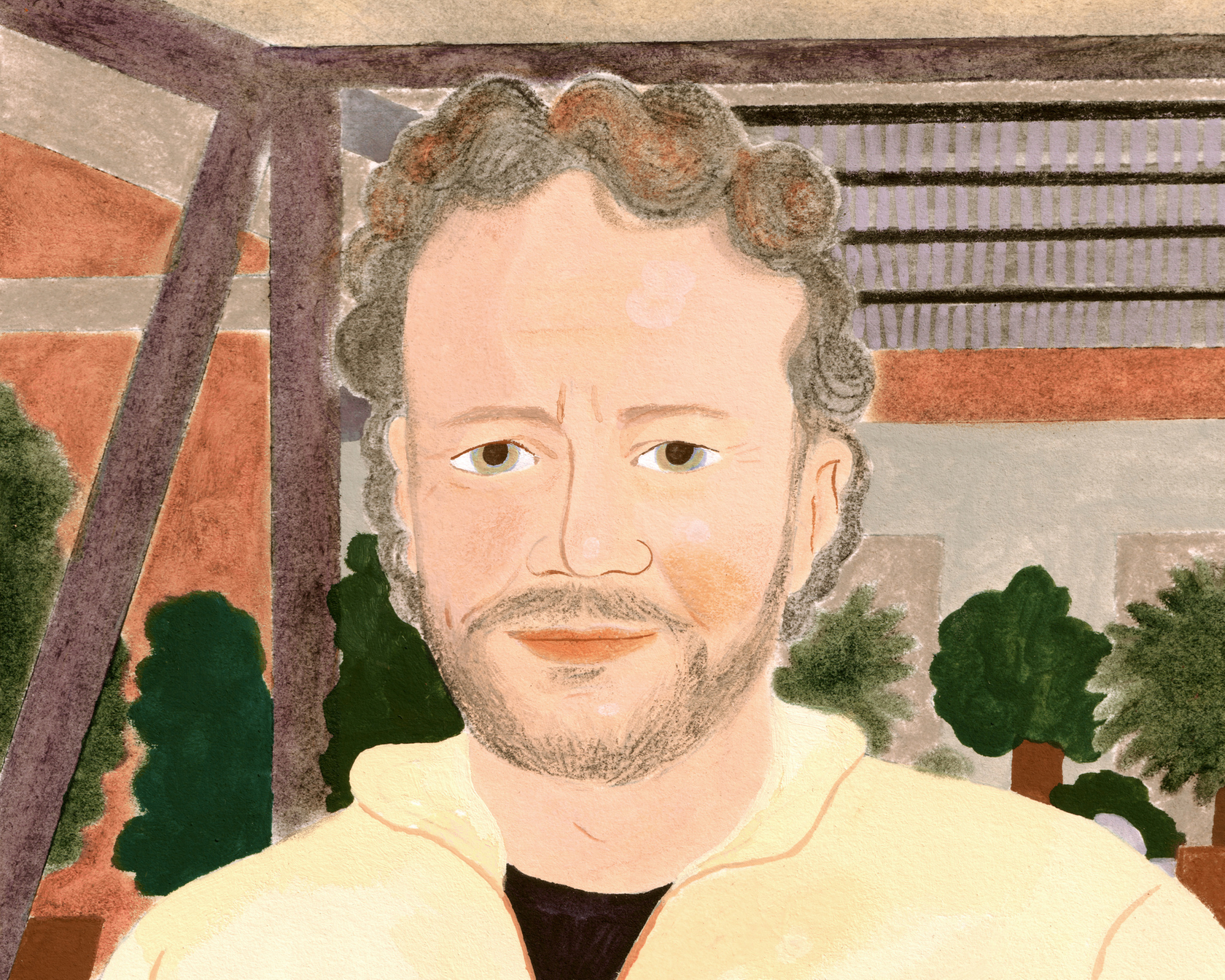
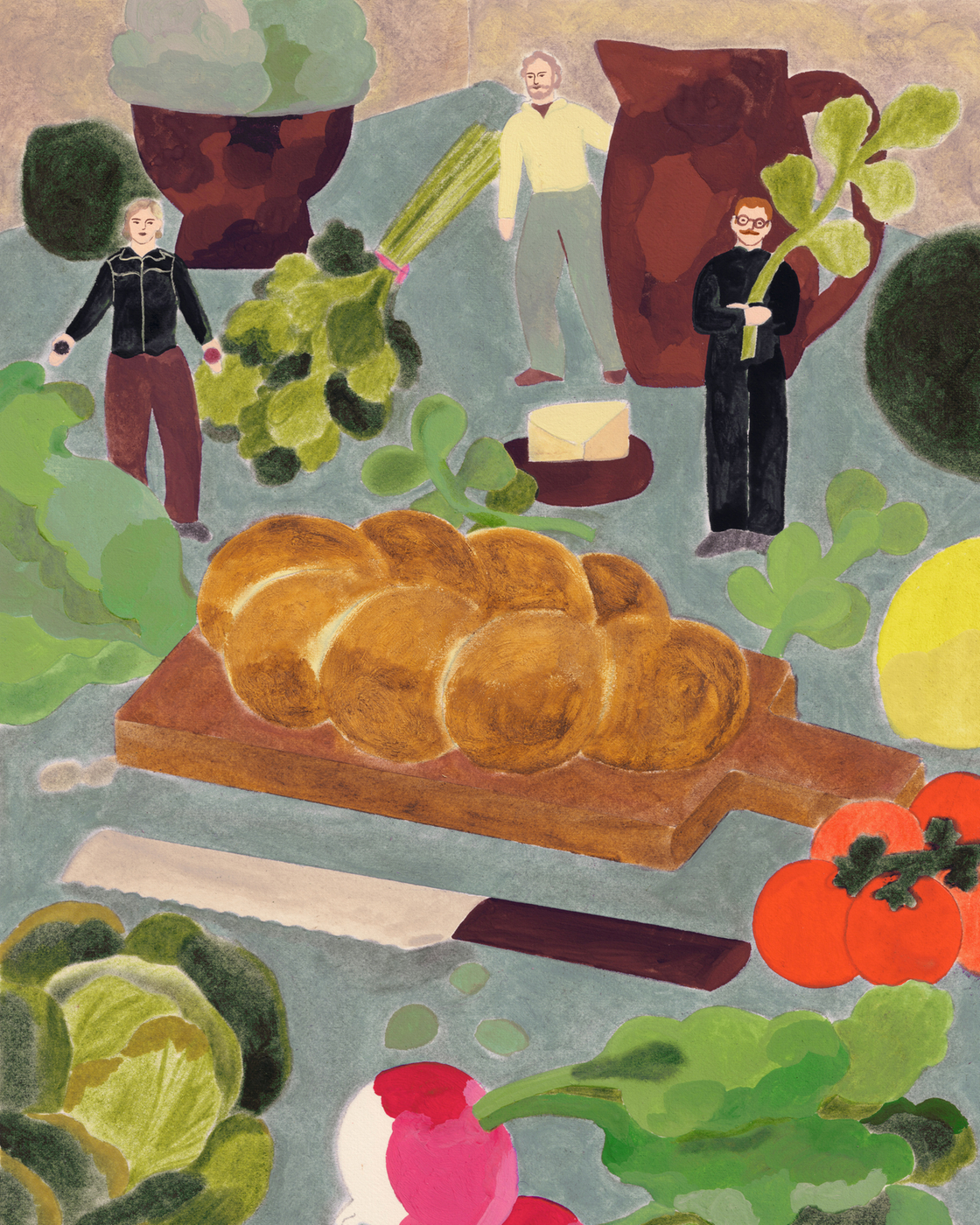
This conversation begins in that tension: where local produce becomes global cuisine, where plant-based menus sit comfortably within 125-year legacies, and where the design of a kitchen can shape not just what we cook, but how we connect. At its heart, it’s about something deceptively simple, how to eat well, in every sense of the word. Around the table are - Christopher Lacroix (CL) of the V-ZUG Gourmet Academy; Chiara Jasson (CJ), nutritionist; and Rolf Hiltl (RH), restaurateur. Together, they discuss a number of topics from a 125-year restaurant to the architecture of the modern kitchen, from regional rituals and local sourcing to the pressures of dietary trends and performance culture. Beneath it all runs a quieter question: how do we keep food grounded, generous, pleasurable, and rooted in care, in a world that increasingly asks us to optimise it?

DP: Switzerland often gets reduced to a handful of clichés, cheese, chocolate, fondue. From your perspective, what’s most misunderstood about Swiss food culture? 

CL: The stereotype is fondue, raclette, but Switzerland, because of where we are, is influenced by Italian, French and German cultures, which makes it very interesting. There’s a misunderstanding that Swiss food is plain, while actually it is diverse and layered and you have cities like Zurich (amongst others) which are very multi-cultural, with amazing chefs and restaurants. 

CJ: People tend to think of the Swiss as very disciplined and traditional. And yes, there is tradition but it’s also very innovative. There’s innovation in food science, nutrition science, culinary tradition and technology. It’s far from boring or rigid. Swiss food culture is really about balance, a continuity that underlies both tradition and progress. 

RH: People just break it down to stereotypes. When we opened in London and said we were from Switzerland, people were confused, they asked, “Where’s the cheese?” But in every country there’s much more than the clichés. We have heritage and innovation, and I think our quality is very high because apprenticeships in kitchens are taken very seriously. 

DP: Beyond national dishes, what regional traditions or everyday rituals in Switzerland feel most meaningful to you?

CL: For me, something that really stands out is Zopf, that butter brioche-style bread. Sunday morning Zopf is a kind of ritual in our home and the family loves it. It’s not only the bread itself, it’s what it represents; the occasion and being together. That’s often the way. It’s not just the food, it’s the people you share it with, the setting, the memories.  

CJ: I live in Lugano, Ticino, where you can drive ten minutes from the main city and you’re at a farm picking up eggs or milk. Sometimes there are little fridges on the side of the road stocked with local organic products. They’re unlocked, you open the fridge, there’s a small box where you drop your coins, two francs for eggs, maybe 60 cents per egg. It’s based on trust. And people respect that. 

RH: In Switzerland, especially in the mountains, people traditionally grew their own products. There’s a lot of respect there, for what you produce, for seasonality, for simplicity. That connection to growing your own food, to knowing where it comes from, that’s something that’s really important. 

DP: Thinking about the point that Chiara made about Switzerland’s ability to balance innovation with deep-rooted tradition. Where do you see that interplay between progress and heritage showing up most clearly in food culture today?  

CL: This is something we think about every day at the Gourmet Academy, we experiment with new appliances to create new experiences or dishes. Take something like a crème caramel, normally you’d have to make it in a bain-marie and it’s quite delicate. Now, you can do it much more easily using innovative tools, with steam at a precise temperature. I like very traditional food and very innovative food, but either can go wrong if it’s not properly prepared or seasoned. Having the right tools and a well-designed kitchen helps you execute both contemporary dishes and old classics really well. 

CJ: I studied at ETH in Zurich and there are many startups there working on sustainability and integrating technology into daily food culture, developing alternatives to meat, for example, or doing research around gut health and the microbiome. So, there’s a lot happening on that level. At the same time, on a smaller scale, I recently had dinner at a place where the chef completely rethought his menu, which is now mostly plant-based for sustainability, using entirely local, seasonal produce and using every single part, from peel to seeds, so that nothing is wasted. It’s very innovative because it’s technical and complex, but at the same time very simple, rooted in local produce and tradition.
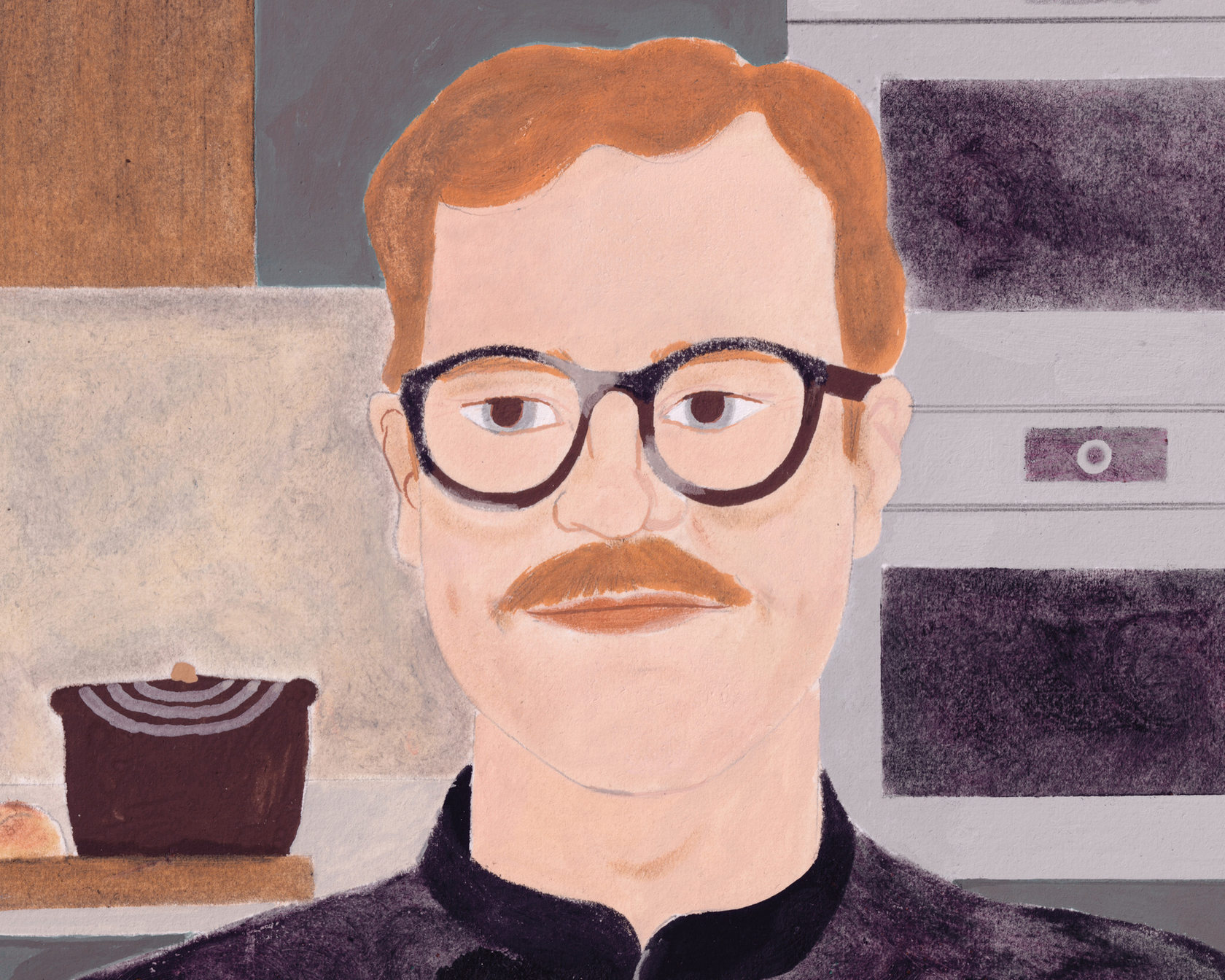
“You’re deeply influenced by the atmosphere you’re in. If you’ve got a beautifully designed kitchen, it changes how you cook. You’re inspired. You put more love and care into what you’re doing.” - Christopher Lacroix

DP: Rolf, we’ve just been talking about how Switzerland balances progress with tradition. Hiltl has been doing exactly that for 125 years, how have you managed to evolve and embrace global influences while staying rooted in your heritage? 

RH: Back in 1898 the menu was simple: Knödel, Sauerkraut, local dishes. Today, a century later, we’re very international, but in a way, that shift started much earlier. My grandmother was invited to Delhi in 1953 for the International Vegetarian Congress, representing Switzerland. At that time, travelling to India alone was a big thing, but she stayed for two months, cooked with families there, made friends that we’re still connected to today and came back with cases full of spices, recipes and ideas. She started cooking Indian food privately in our kitchen and serving it quietly to Indian guests, a kind of guerrilla kitchen. That’s how it began, and my father carried that DNA forward in the 1970s with an Indian tea corner in the restaurant. My grandmother inspired us. That’s why we’ve always looked beyond Switzerland, it can be limiting if you’re stuck only in your own tradition, you have to embrace progress. Authenticity is crucial. If we introduce another cuisine, we respect it. We try to get chefs from that culture and really understand the roots. I don’t like mixing everything together until it loses its identity. When we develop new dishes, we always ask, “Where is this from? What’s the inspiration?” That respect for origins is very important. 

DP: How does the design and atmosphere of a kitchen or restaurant shape not just what we cook, but how we feel, eat and come together? 

CL: You’re deeply influenced by the atmosphere you’re in. If you’ve got a beautifully designed kitchen, a nice stone counter, a wooden cutting board, versus something cheap and plastic, it changes how you cook. You’re inspired. You put more love and care into what you’re doing. Kitchens today aren’t the back rooms anymore. We’ve knocked the walls down in restaurants and at home, so they become the heart of the home and that brings people together. Cooking has become something you share. It’s entertainment. It’s inviting people to be part of the process. 

CJ: I completely agree, the design of the kitchen has a huge impact. If a space is cluttered or chaotic, that affects how we feel while cooking and eating. Our emotional state carries onto the food and even influences digestion. The same meal eaten standing up in a rush or in front of the TV is processed completely differently than when it’s eaten sitting down in a relaxed environment. The kitchen is also a place for sharing, involving children in washing vegetables, chopping, being part of the process. That helps build a positive relationship with food for the future. It’s where recipes are passed on. It’s not just a lab, it’s where skill and soul come together. 

DP: Has eating well become something we feel pressured to “get right” when in reality, it might be much simpler and more personal than we’ve made it? 

CJ: I think one of the biggest mistakes today is the idea that eating well requires perfection or rigidity. Every January we decide to overhaul everything and then we fail, feel miserable, fall off the wagon, and start again. That cycle tends to backfire. Health isn’t really about eliminating foods, it’s about building patterns you can sustain for the long term. Starting small instead of perfect, making changes gradually so they become pleasurable because if eating well feels bland or restrictive, you simply won’t stick to it. There’s also this nutritional absolutism right now; carbs are bad, sugar is toxic, fats are fattening, fasting is superior, protein has to be everywhere, but health is rarely extreme. It’s contextual, relational. It depends on the whole person, on their lifestyle, stress levels, genetics. We like to box things into black and white categories because it feels easier, but the truth is usually somewhere in the middle. 

RH: Hiltl actually started as a health issue. My great-grandfather, the founder of Hiltl, was from Germany. He came from a farming family with many children, too many for the land to support, so someone had to leave, and at 20 years old he went to Zurich to work as a tailor. Shortly after arriving, he became very ill with arthritis. A doctor told him he had to change his diet or he wouldn’t live long and he was only 20. So, he began eating at a small vegetarian restaurant run by a German family. He ate there for three months and he was cured. Today you might take medication and carry on but back then that wasn’t an option. The reason we exist at all is because my great-grandfather decided to become vegetarian. The head chef there was Martha Gneupel, and since my great-grandfather was practically the only guest, they got to know each other, fell in love, married and took over the restaurant. That’s how it became Hiltl.

“Mindful eating is about presence. It can be as simple as taking one breath before starting a meal. It’s about taking a moment between the urge to eat and the act of eating, and once you learn that, it becomes a natural, gentle way to honour your body.” - Chiara Jasson

DP: If mindful eating isn’t about perfection or performance, what does it really mean in practice, in how we prepare, share and relate to food? 

CJ: Mindful eating is about presence. It can be as simple as taking one breath before starting a meal. Checking in with yourself and asking, “How hungry am I? What do I really feel like eating?” Maybe it means not answering emails while holding a fork in the other hand. Actually tasting your food. Slowing down just enough to enjoy it instead of eating on autopilot. It’s about taking a moment between the urge to eat and the act of eating, and once you learn that, it becomes a natural, gentle way to honour your body. 

CL: I think mindful eating also comes down to awareness, knowing what you’re eating, the quality of the product, the care in preparation. It’s about creating occasions and making it something shared. It’s not just nourishment; it’s something we enjoy together. 

RH: A few years ago, I was in Japan, and I was astonished at how they treat food. In the market they were polishing melons with such care. It comes down to respect, for the ingredients, for the earth, for life itself. In German, food is Lebensmittel, it means basically the medium of life. That’s important. When you cook properly, when your mise en place is done with care and you’re really thinking about what you’re doing, it shows. It becomes something beautiful. 

DP: Food at scale, whether on airplanes or in institutions, is often associated with compromise. How do you maintain care, quality and balance when you’re cooking beyond the small, intimate setting? 

CL: For me, large scale is really just a reproduction of small scale. The principles don’t change. It still comes down to the product and how it’s prepared – it’s just that the process changes to adapt to large scale production. If you start with good ingredients and you prepare them with care and attention, that philosophy can apply whether you’re cooking for four people or four hundred. The scale increases, but the mindset shouldn’t. 

RH: SWISS airline had a programme where they invited chefs to create one or two dishes for their in-flight menus, and we’ve now worked with them for more than ten years developing vegetarian options. Normally, especially in economy class, airline food doesn’t have the best reputation. So, we really focused on creating vegetarian dishes that genuinely taste good, not just ticking a box. What I love is that SWISS now tells us they’re serving more and more of those vegetarian meals. That shows people are choosing them because they enjoy them, not because they feel they have to. 

In the midst of all the noise around food, what genuinely gives you hope about the direction we’re heading? 

CL: I think what makes me hopeful is that we’re finally talking about where food comes from. There was a time when we just used resources without thinking, oceans, farming, unsustainable agriculture, now they are part of the conversation. At the Gourmet Academy, we don’t just explain how something was cooked with our appliances, we explain the origin, the ingredients, the thinking behind it. It’s a way of showing we care about the resources we’re transforming and putting into people’s bodies. 

CJ: I feel hopeful because I see people shifting toward a more systemic way of thinking. They’re less interested in quick fixes or the latest diet. They want balance, something sustainable in every sense. And I love seeing people go back to the kitchen. People genuinely want to relearn the skills we lost for a while. That feels very positive to me. 

RH: What gives me hope is the growing focus on using local ingredients. I find it very interesting when you take what grows around you and turn it into something international. You don’t have to fly ingredients around the world to create exciting food. A plant-based diet makes a lot of sense in that way, you can grow it locally, you understand it, you can produce it sustainably.

“What gives me hope is the growing focus on using local ingredients. A plant-based diet makes a lot of sense in that way, you can grow it locally, you understand it, you can produce it sustainably.” - Rolf Hiltl

DANIELLE PENDER - Founder and editor of Riposte, a print magazine and online platform for women, Danielle Pender also runs Riposte Studio, where she works with some of the best international brands on commercial partnerships. 

CHRISTOPHER LACROIX - is the Head of V-ZUG’s Gourmet Academy, an in-house team of chefs that tests products, shows the customers how to use them, and organises food-related events. After joining the Academy in 2013, he has witnessed it growing at an international level, to the point of boasting 25 member chefs in Switzerland and over 100 worldwide.  

CHIARA JASSON - is a nutritionist and author of the book Tiny Changes: 52 Easy Steps to Rediscover Your Nutritional Balance, published in 2024. The heart of her work is guiding people to rediscover a peaceful relationship with food and their own body, through an approach that combines scientific rigour and self-awareness.  

ROLF HILTL - is the fourth generation manager of Hiltl, the world’s oldest vegetarian restaurant, founded in 1898 in Zurich. Today, besides taking care of the family business, he is the founder and partner of Tibits AG, which runs 13 restaurants across Switzerland, and a food consultant for charities, foundations and companies, including SWISS airlines.

Black dog in a minimalist room with modern design and furniture.

Let V‑ZUG inspire you.

Learn about designers, chefs and food experts, find out what drives them and get inspired by their stories and recipes.