The threat of beauty | V-ZUG United Kingdom

The threat of beauty

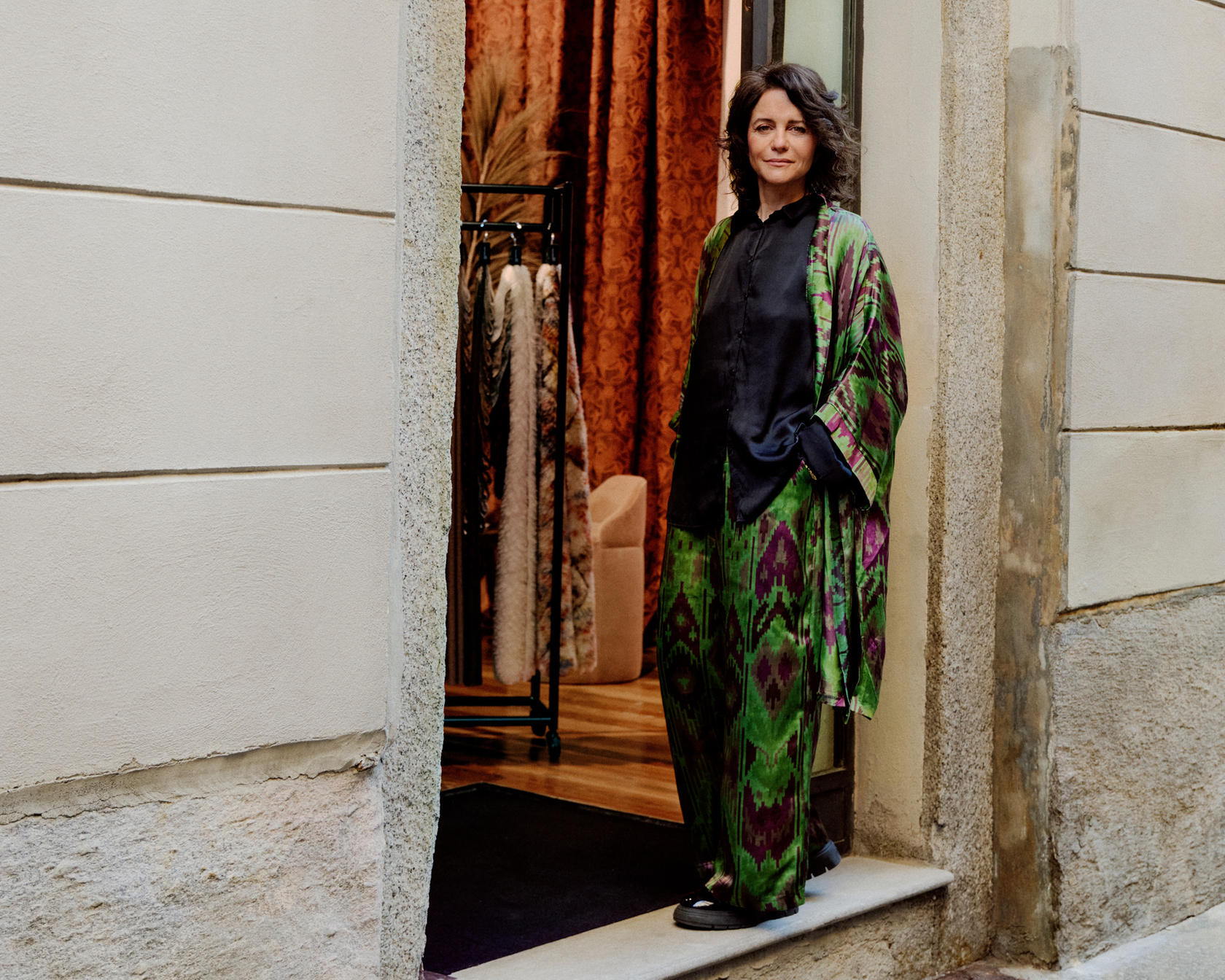
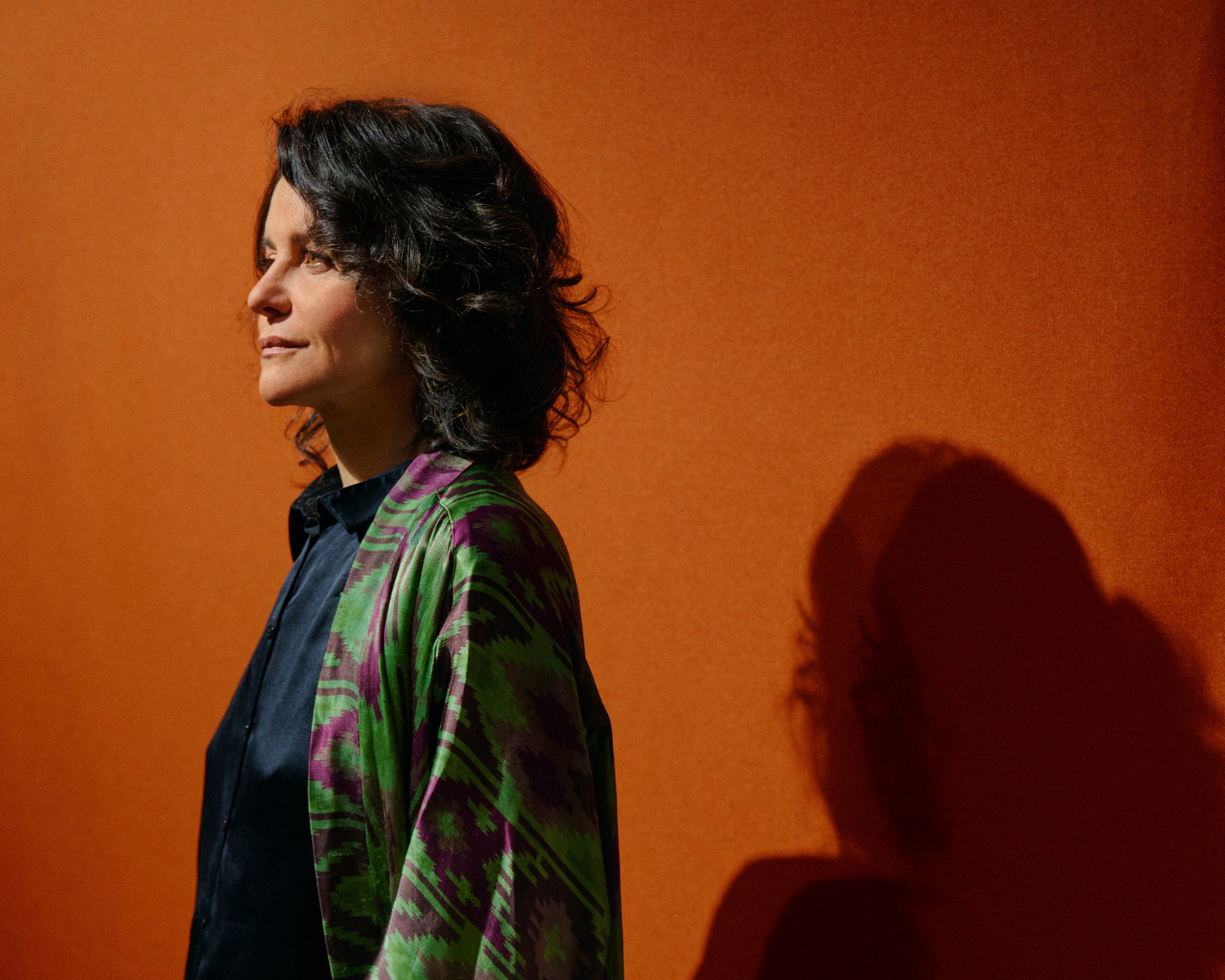
Camilla Douraghy Fischbacher is Creative Director of Fischbacher 1819, a sixth-generation textile company with two centuries' history. With a background in humanities and photography, she has pushed the brand towards a contemporary aesthetic, from a renewed visual language to recycled fabrics.

How would you describe the current chapter of Fischbacher 1819, shaped under your creative direction and Michael Fischbacher’s leadership as CEO?

I would say we are in a phase of conscious evolution, in which Michael and I have been focusing on clarifying who we are today. We started working for the company in 1997, then lived in the US and Japan for seven years. When we came back, we started thinking about how to modernise the brand without losing its depth. We wanted it to be relevant and alive, not frozen in time.

What do you see as the most significant evolutions Fischbacher 1819 has undergone since 2008?

When we began to lead the company, Christian Fischbacher was about heritage, all curly and flowery. I set out to change it completely, starting from the visual language. So, the first photo shoot I did to launch our Benu recycled fabric took place inside an abandoned warehouse, rather than the usual luxury home. This caused a lot of drama at the time – we ended up creating a different website to present the collection – but funnily enough, seventeen years later that has become our calling card. It wasn’t an easy moment, but I trusted my gut. I would say that the company as it is today started then.

Benu is an innovative fabric made from recycled PET bottles and industrial textile waste. Introducing it into the catalogue was another bold move for a heritage company, and you’ve already mentioned that the new visual language caused quite a stir. How was Benu received initially, and how is it seen today?

I was taken aside during a board meeting and told I didn’t understand the company, that Christian Fischbacher was an elegant house and nobody wanted my recycled rubbish. It was pretty rough, but it made me very determined: that reaction meant I really was onto something! The people that were happy with the shift are still great champions of the direction we took: it’s very important for a company to focus on a shared direction.

The importance of the team. Can you tell us more about that, and how collaboration shapes the way collections come to life?

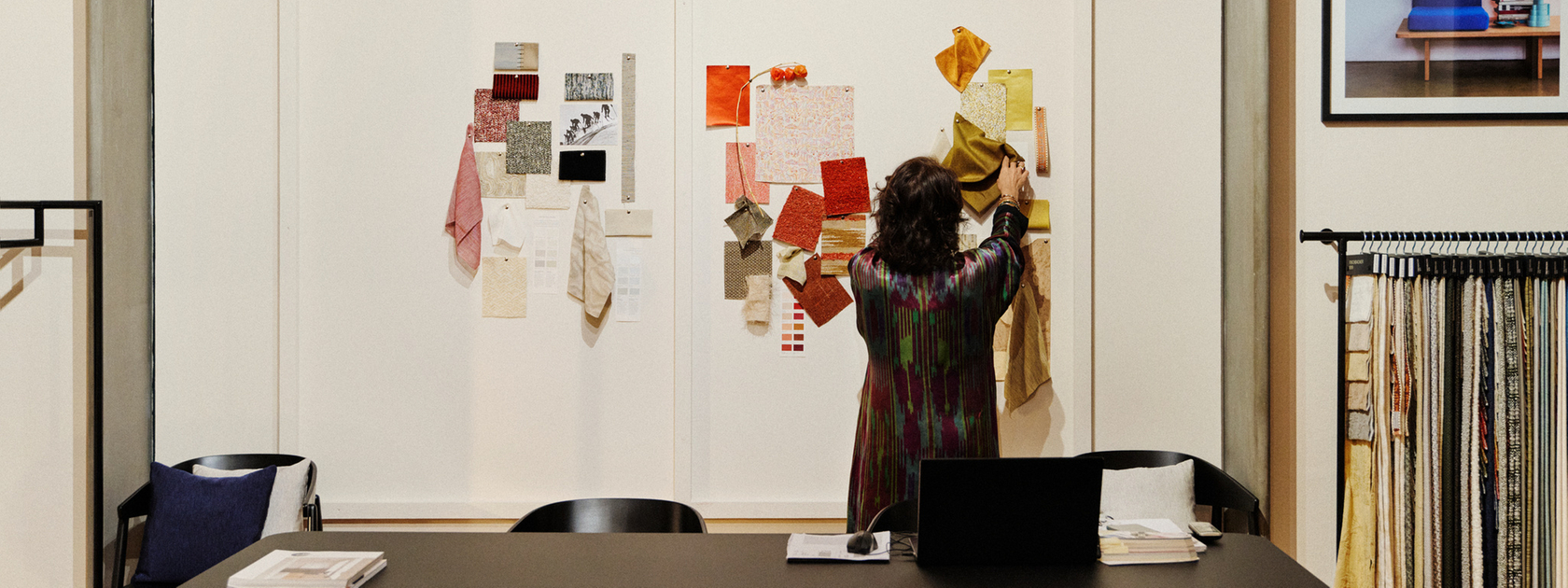
As for my immediate team, the designers, I’ve had the same people since I started. At the beginning they too were not happy at all with the Benu recycled textile, but I remember having this pivotal conversation, in which I said that our challenge, as designers, was not just to figure out nice colours, but to do what Apple did with the IBM computer. That was a turning point, after which they all came on board. Today we are a group of people working between St. Gallen, in Switzerland, and Como, Italy, where we have our facilities. We work side by side: I think a group is always more intelligent than any one individual.
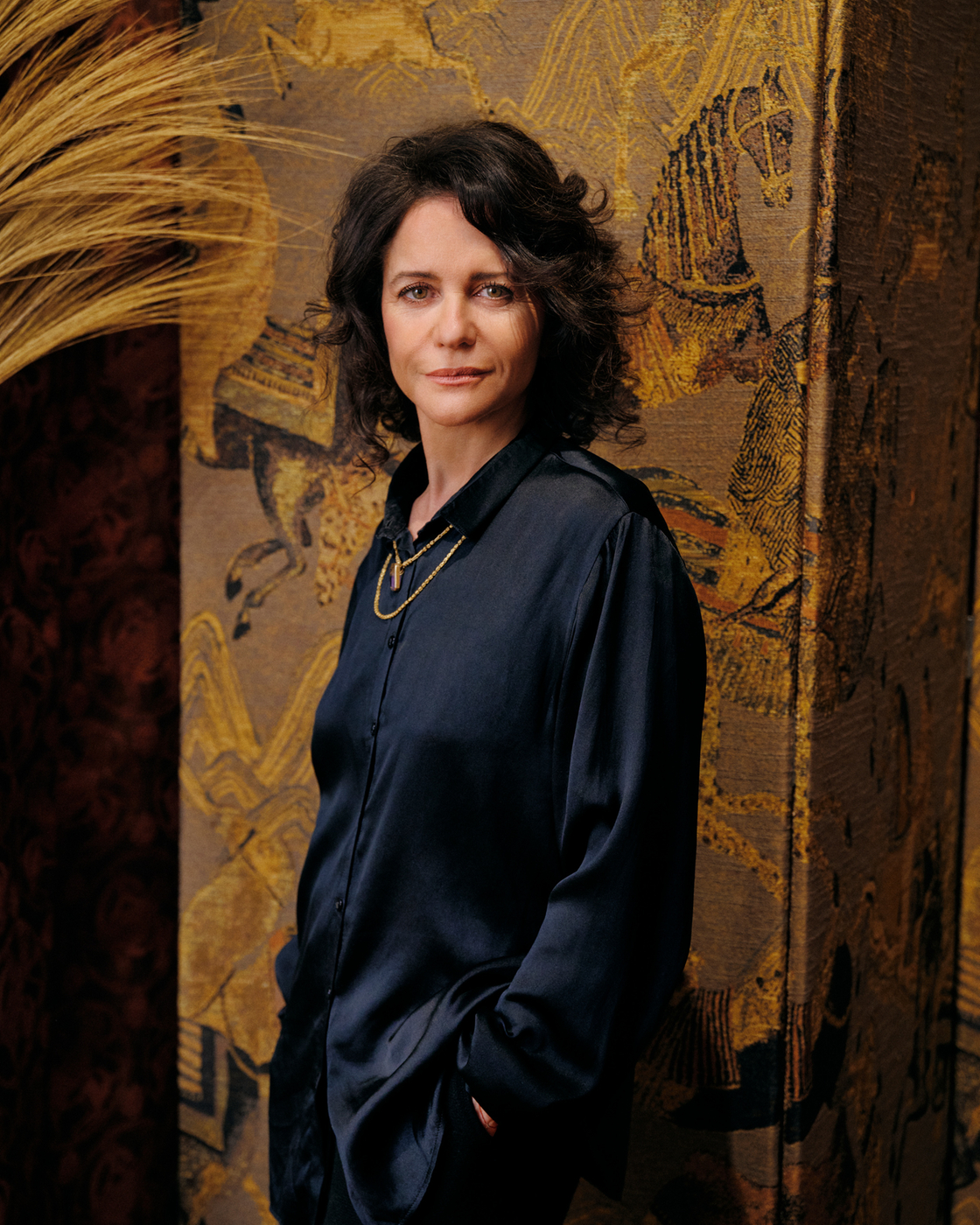
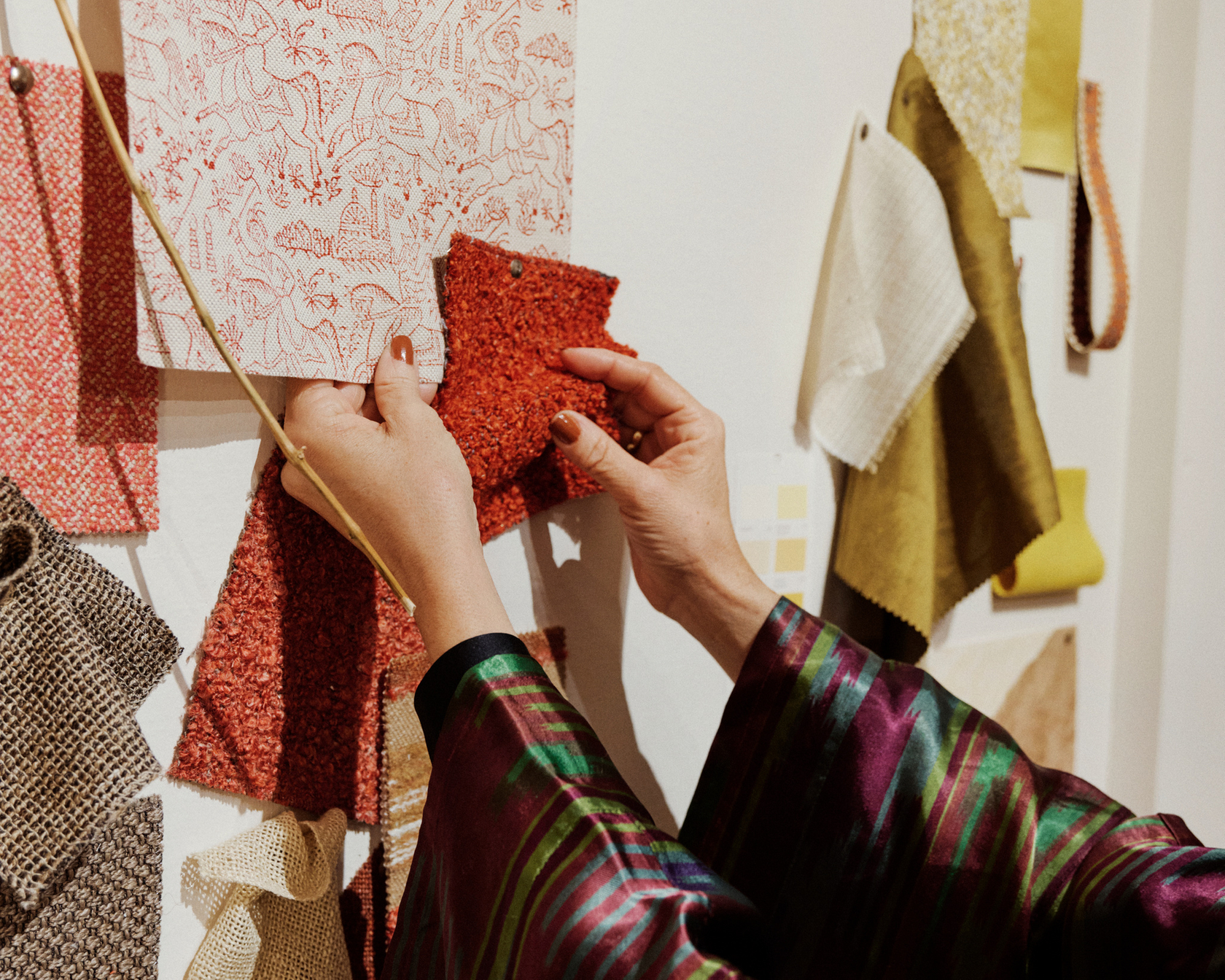
“I really believe people are moved when they see something beautiful. So first and foremost I ask myself, ‘Does this make my heart sing?’ If it does, this is the fabric we want in the collection.”

So when you are developing a new product, what are the key elements you look at?

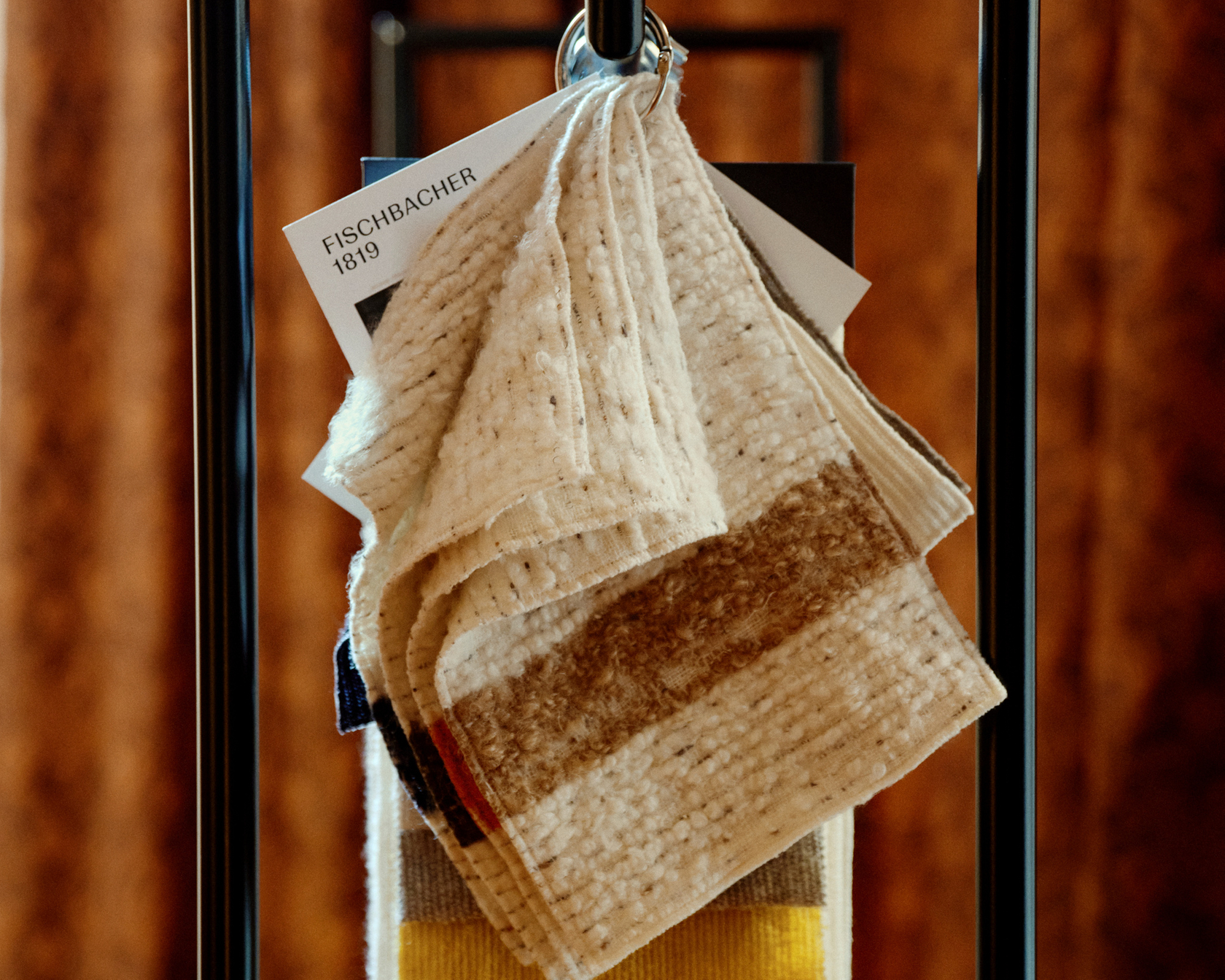
My guiding light, by far, is beauty. Deep beauty, something that resonates with you. I love a William Morris quote that says beauty has the power to save the human soul: I really believe people are moved when they see something beautiful. So first and foremost I ask myself, “Does this make my heart sing?” If it does, this is the fabric we want in the collection. A perfect example of that is the velvet stretch we launched last year. We had to choose between this and a classic mohair, something our competitors already offer but sales felt we needed to have as well. In the end we opted for the modern, stretchy velvet, which simply felt better and made us excited to show it around. The response from the market confirmed our idea.

So it’s less about trends and more about longevity.

Absolutely. We believe in continuity rather than trends. It’s a philosophical approach, we really believe in a non-seasonal use of textiles. Everything should match, year after year, which is also a way to respect our clients. I find the idea of a “colour of the year” ridiculous: what does that mean, that colours go out of style in twelve months? Our horizon is much wider. I think you should keep your curtains for at least ten years. And even then, if the colour starts to bleach a little from the sun, is it really that bad? Couldn’t we allow things to age and be imperfect? Those are the things that I would like to address. We need to get away from the drive for perfection and the need for everything to be new. This is the root cause of our throw-away culture.

I like the concept of fabrics that age well. Is that a sign of quality?

I believe so. Quality to me is both longevity and beauty, to the eye and to the touch. At home, I have a mohair sofa. It has faded a lot, because it’s exposed to sunlight and I have had it for over fifteen years. But it’s not worn out. The tones have slightly softened and it has a beautiful patina. It’s still absolutely gorgeous to sit on. I think investing in something that you love is actually true sustainability, and is also less expensive than constantly replacing things.

Nowadays, sustainability is central to many design narratives. For Fischbacher 1819, how does it translate into everyday practice and mindset?

I personally visit all the warehouses and factories we work with, because for us sustainability starts with people and long-term relationships. Many of the companies we collaborate with have been partners for generations. Once, the owner of an Indian company came to our house and was stunned to recognise the fabric hanging in our living room: it was the first textile his company ever sold to Fischbacher – to my husband’s grandfather. That kind of continuity and shared history is something we’re deeply proud of. We also continue to collaborate with his company because he’s committed to creating jobs for women at every level, and to their education. We believe in treating all the people we work with well. Companies are sometimes wonderful to customers and then squeeze suppliers. To me, it’s all about mutual respect and collaboration: working together to achieve the best product at the best price.

What about research?

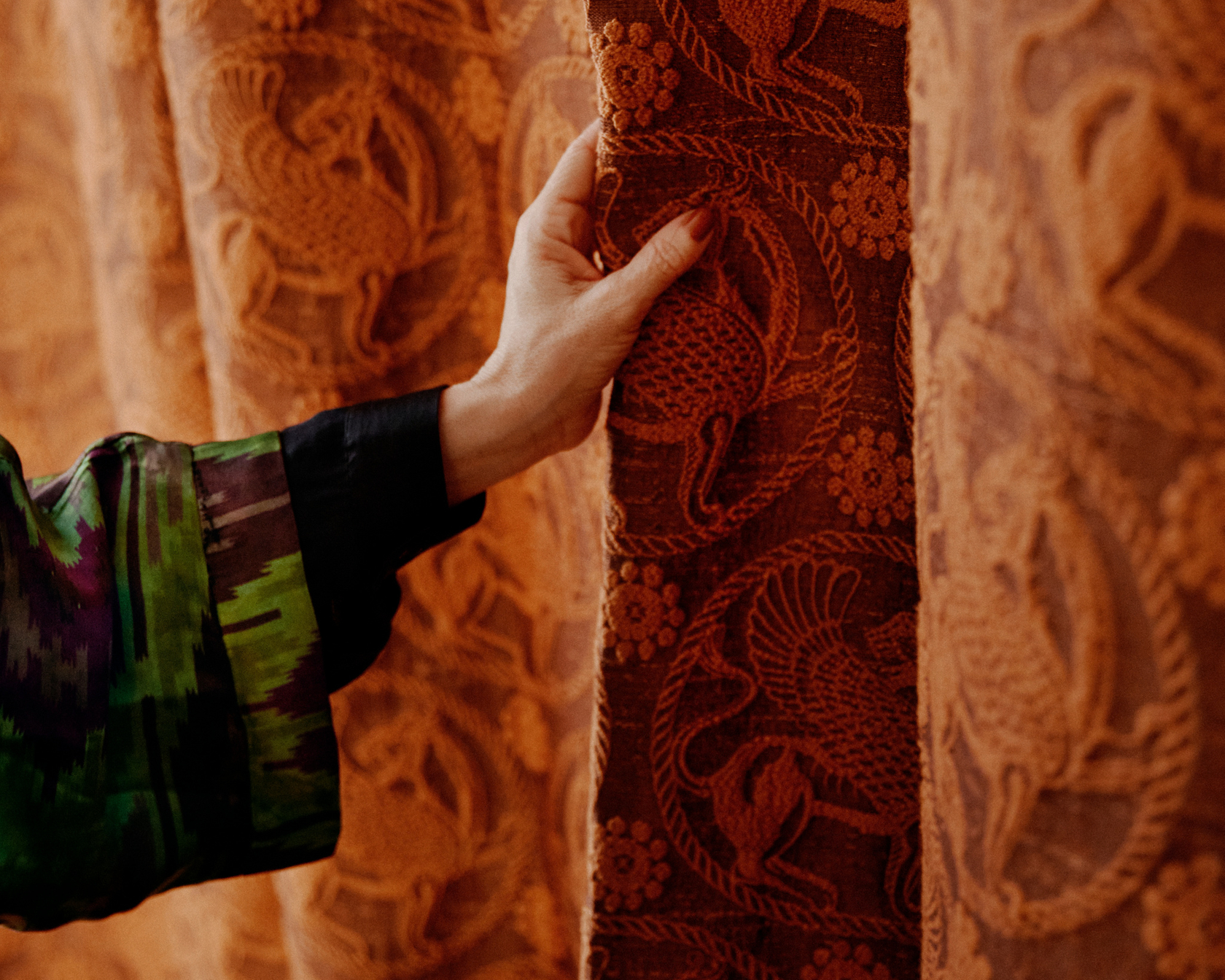
Research means not only finding new techniques, new looms, and new ways of producing textiles, but also rediscovering what got lost. One of the fabrics we did with Ramdane Touhami, for example, was woven by an Italian company that still uses a loom from the 1960s, a crochet machine no longer in production – I think it’s the only existing machine of that kind. The process is very slow, and it takes forever to make this fabric. But we wanted a curtain that looks like a big sweater, so we kept trying until we obtained exactly what we wanted.

You speak to very different markets while remaining deeply rooted in your heritage. How do you navigate this dialogue between different cultures?

Through authenticity. I am half American, half Iranian, but I grew up in Europe, and then lived in Asia. I am convinced that if you go to new places with an open mind and an open heart, you can always start a dialogue. Last May I traveled along the Silk Road: it was a deliberate trip, I knew exactly what I was looking for and had done a lot of research ahead of time. And when I came back, my team and I worked hard on ideas, designs and patterns until we got our interpretation of it. This is of the utmost importance to me: it’s not “we invented this,” but “this comes from them, they created it. This is our interpretation.” I think this comes from me being Iranian and seeing so much of our culture appropriated by the West, or attributed to India or the Arab world.

About Camilla Douraghy Fischbacher 

Born to an American mother and an Iranian father, Camilla Douraghy Fischbacher lived in Iran until the 1980s, when her family moved to Switzerland after the revolution. She attended high school in Germany before moving to the US and later studying at the University of Oxford, where she met her future husband, Michael Fischbacher. After spending several years living and working abroad, they returned to St. Gallen in 2008, where they took over the family textile company, Christian Fischbacher, recently renamed Fischbacher 1819.

You also have an artistic background, since you studied fine art photography. Do you think it influences your work as a creative director, and the way you seek beauty?

Yes, and it could go even further, since my father is an avid collector of antique textiles and carpets and I grew up surrounded by beautiful things – funny that I ended up marrying into a family of textile editors! For a very long time, I kept my art and work quite separate, because I felt that what I do, fine art photography, needed a sort of cocoon, to exist on its own. In fact, I never wanted to do any of the photography for the company. But deciding to work with Swiss artist Peter Hauser definitely has something to do with my understanding of what he can do, and how to push him creatively. Some years ago we were working on our lookbook for the new collection. As usual, we hung the textile in a room as a curtain. But this time it felt flat and uninspiring, so we went outside and ended up wrapping a tree with the fabric. The image was beautiful, and the press loved it. I have realised that if I start from the question: “Does this sell?”, then the shooting won’t work, at least not for me. A lookbook has to be about inspirations, ideas, creativity. This certainly has something to do with my artistic background.

What do you see as the biggest challenges facing the global textile and interior design industry today?

It’s people’s lack of understanding about the importance of using good quality fabrics. We’re becoming less and less knowledgeable, while our grandmothers had a clear sense of what was quality and what was not. Just buy a vintage version of anything – furniture, a coat, a sweater: what’s the difference? Everything. Also, too many brands have broken our trust, especially recently: when a T-shirt costs two dollars, something is wrong. That’s less common in our industry, but we’re no different, we also feel the price pressure. That’s also why I think we need to educate consumers to understand the difference, and to take care of textiles so they can last. Sustainability only works if you keep what you buy, cherish it, and don’t throw it away for the next shiny thing.

Subscribe to the V-ZUG newsletter

Be the first to discover new products and innovations from V-ZUG. Explore the world of design and architecture, culinary inspiration, the people and ideas that shape us, and news from our showrooms and events.

Let V‑ZUG inspire you.

Learn about designers, chefs and food experts, find out what drives them and get inspired by their stories and recipes.