For the love of trees | V-ZUG Ukraine

For the love of trees

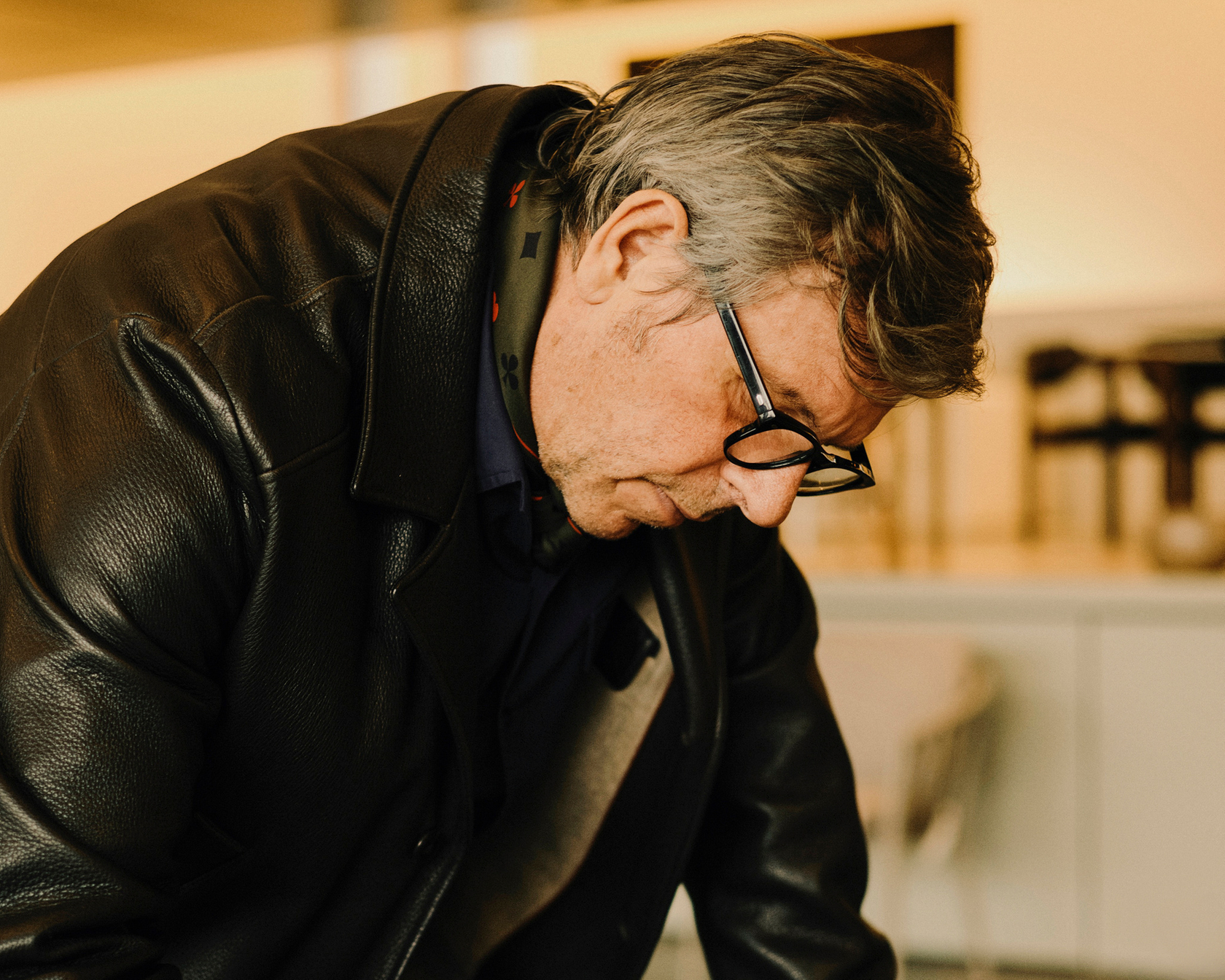
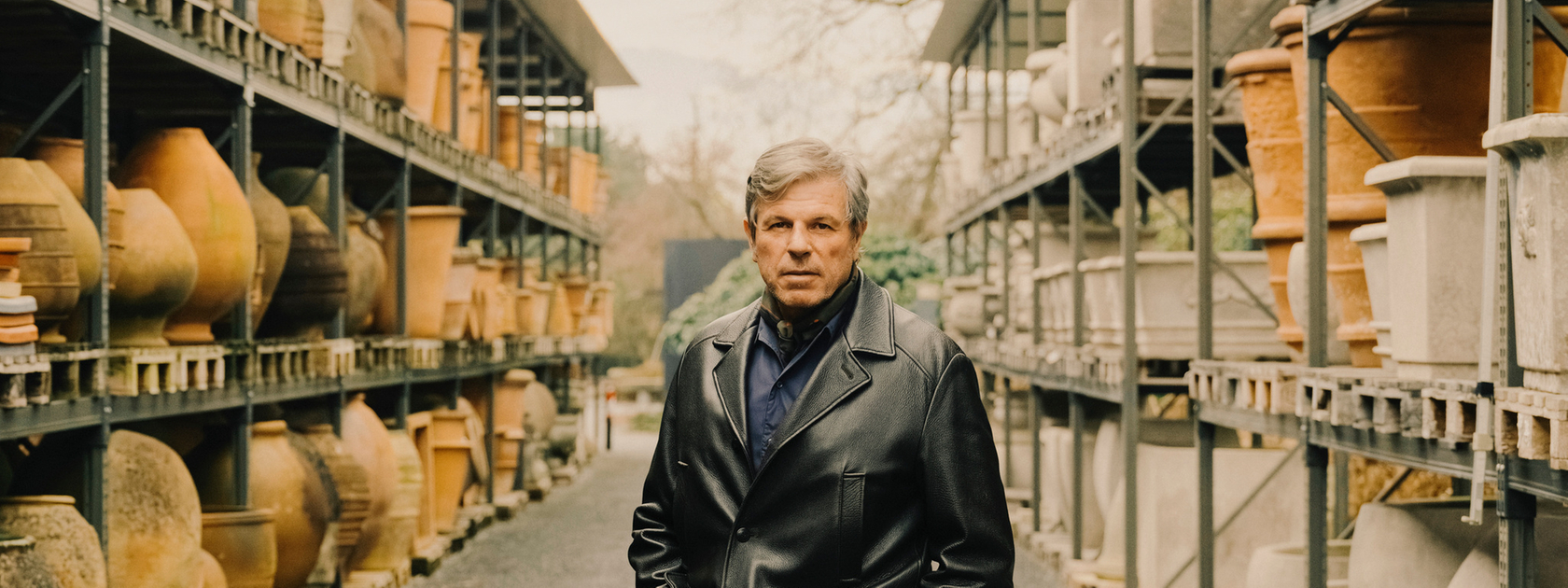
In Rapperswil-Jona, a lakeside town near Zurich, lies a remarkable museum, in which visitors wander through seven hectares of land while contemplating trees as works of art. It was created by Enzo Enea, one of the most prominent landscape architects of our time. The son of a stonemason and a seamstress who migrated to Switzerland from Italy, he fell in love with nature in his grandfather’s garden, and never stopped listening to it ever since.

In the Bible, humanity becomes self-aware when Adam and Eve eat the forbidden apple in the Garden of Eden. You, on the other hand, understood what you wanted to do in life thanks to a peach. And not just any peach…

I was seven years old and, during school holidays, my mother would take me to my grandfather’s house in Cesena, Italy. We would get up at four in the morning, and I would accompany him by bike to work: he dug wells and built fountains. At noon my grandmother made cappelletti in broth, because we had been sweating and needed something light and salty. Then around four in the afternoon, after finishing work, we would go to his garden: a small plot of land with vegetables, fruit trees, rabbits… We hoed the soil, tended and watered the plants, and my grandfather would smoke a cigarette. Once I picked a peach from a small tree – it was a variety that is now extinct, a Belladi Cesena, as big as a child’s head – and took a bite. I asked my grandpa, “How can this peach be so big and so good?” He looked at me and said, “If you are good to nature, nature gives everything back to you.” That sentence grew inside me. I began to look at trees differently, to climb them, to want to be with them and understand how they worked, how they lived.

Your grandfather built fountains. Your father designed and imported terracotta pots from Italy to Switzerland. You chose to work with gardens. So you moved from the object to the context. From design to architecture. How did that happen?

My father emigrated from Italy to Switzerland as a young man. He collaborated with Italian sculptors to craft staircases, balustrades, and window sills. To meet the demands of the Swiss climate, he began developing frost-resistant terracotta pots, which he successfully introduced to gardens and terraces throughout Switzerland. That’s how the family business was born. I studied Industrial Design nearby, then Landscape Architecture in London. In 1985 I moved to Maui, Hawaii, to create gardens for a Sheraton hotel. There, nature was almost magical. In the morning I would wake up, step outside, shower outdoors, and not return home until evening. That year I surfed and got my pilot’s license. I saw the island from above, in the air, and from the water. I tried to read it and understand it: the winds, the volcano, the waterfalls, the tropical biodiversity… It was perhaps the most powerful experience of my life. But when my father called to tell me he was going to stop working, I decided to return and take over the family business. The first thing I did was break down all the low-value pots and use the shards to create a terracotta terrace. That was the moment I moved from the object to the space that contained it. And it worked.
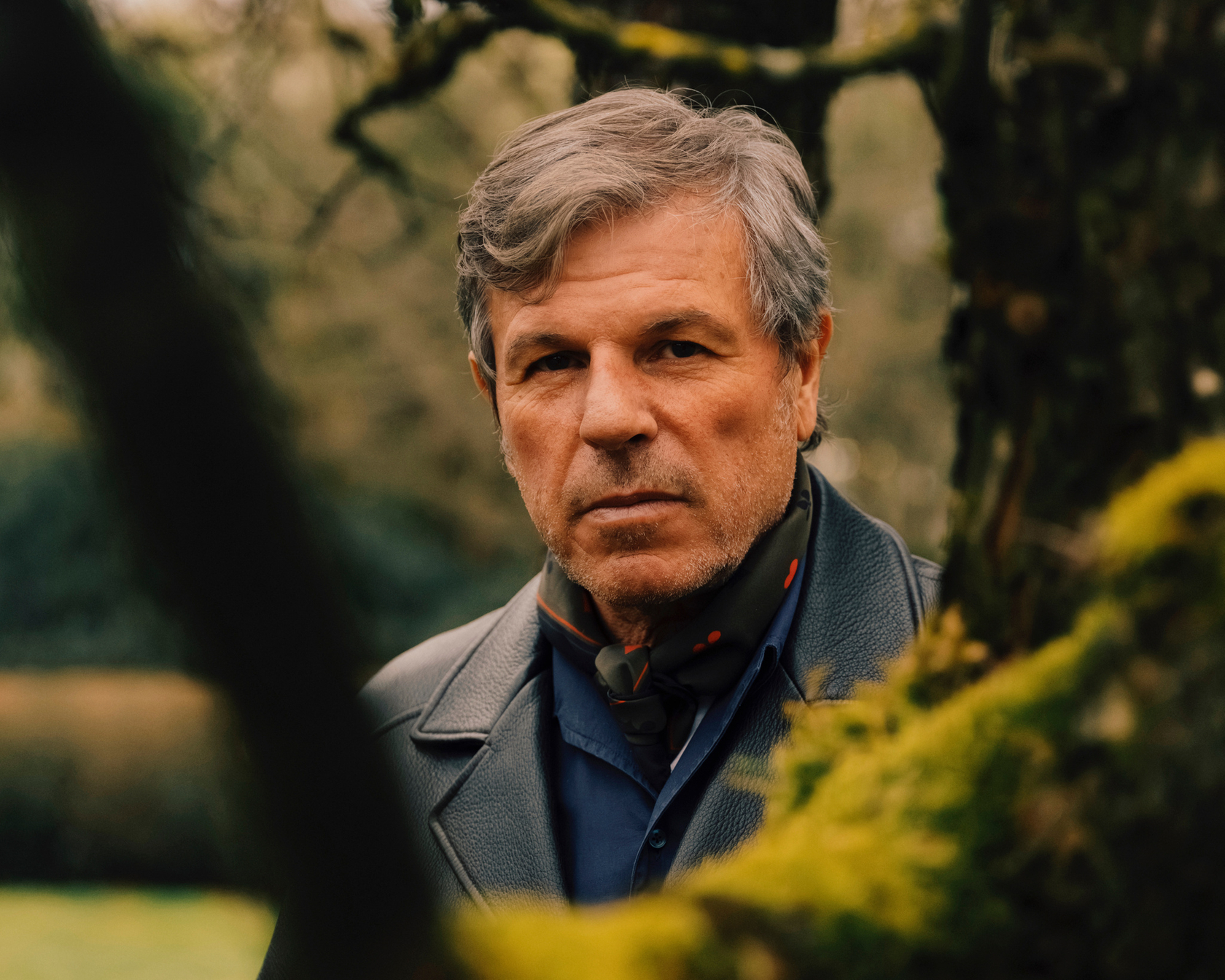
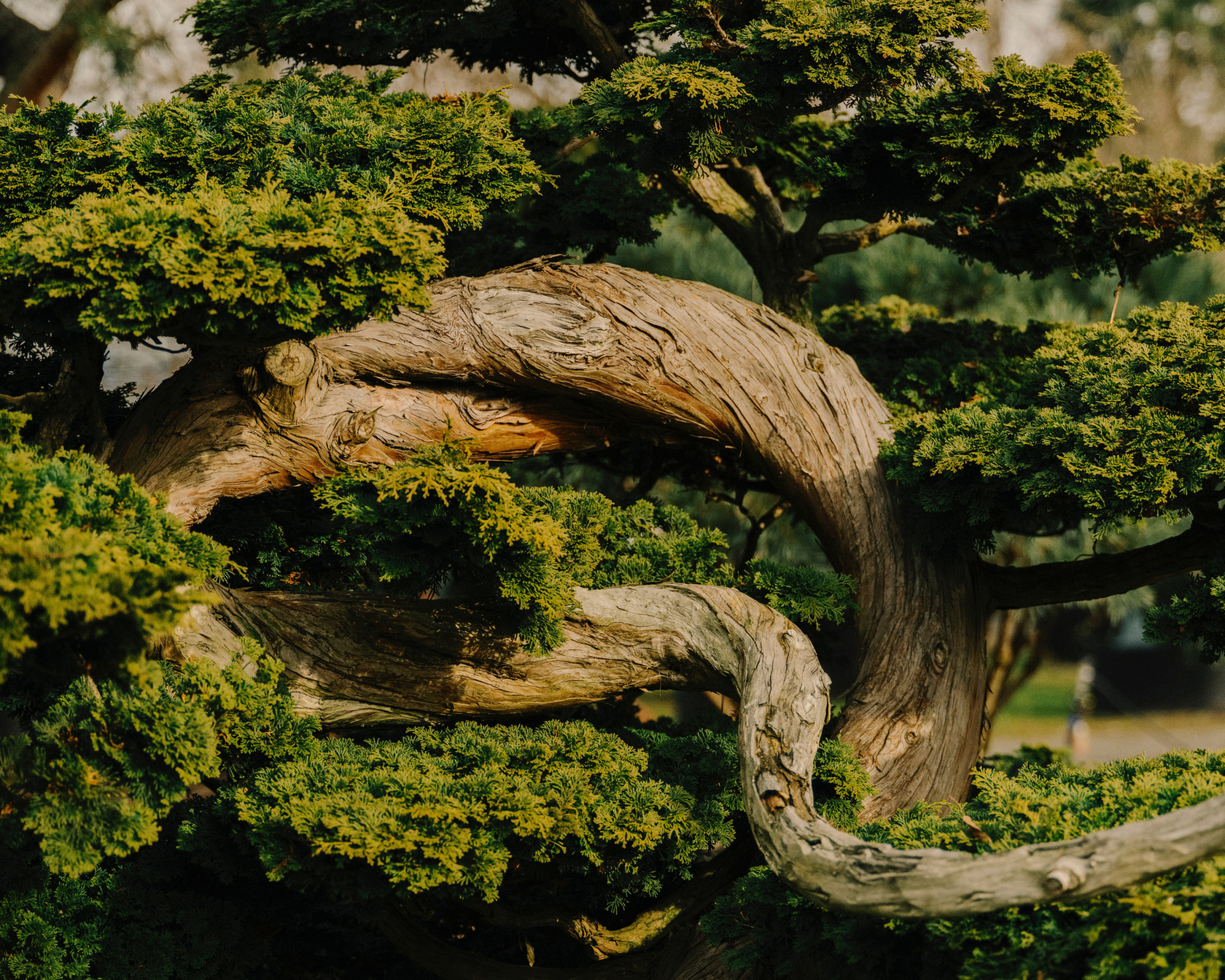
“I began to look at trees differently, to climb them, to want to be with them and understand how they worked, how they lived.”

The history of gardens oscillates between controlling nature and liberating it. Which of these approaches is closer to your sensibility? And why?

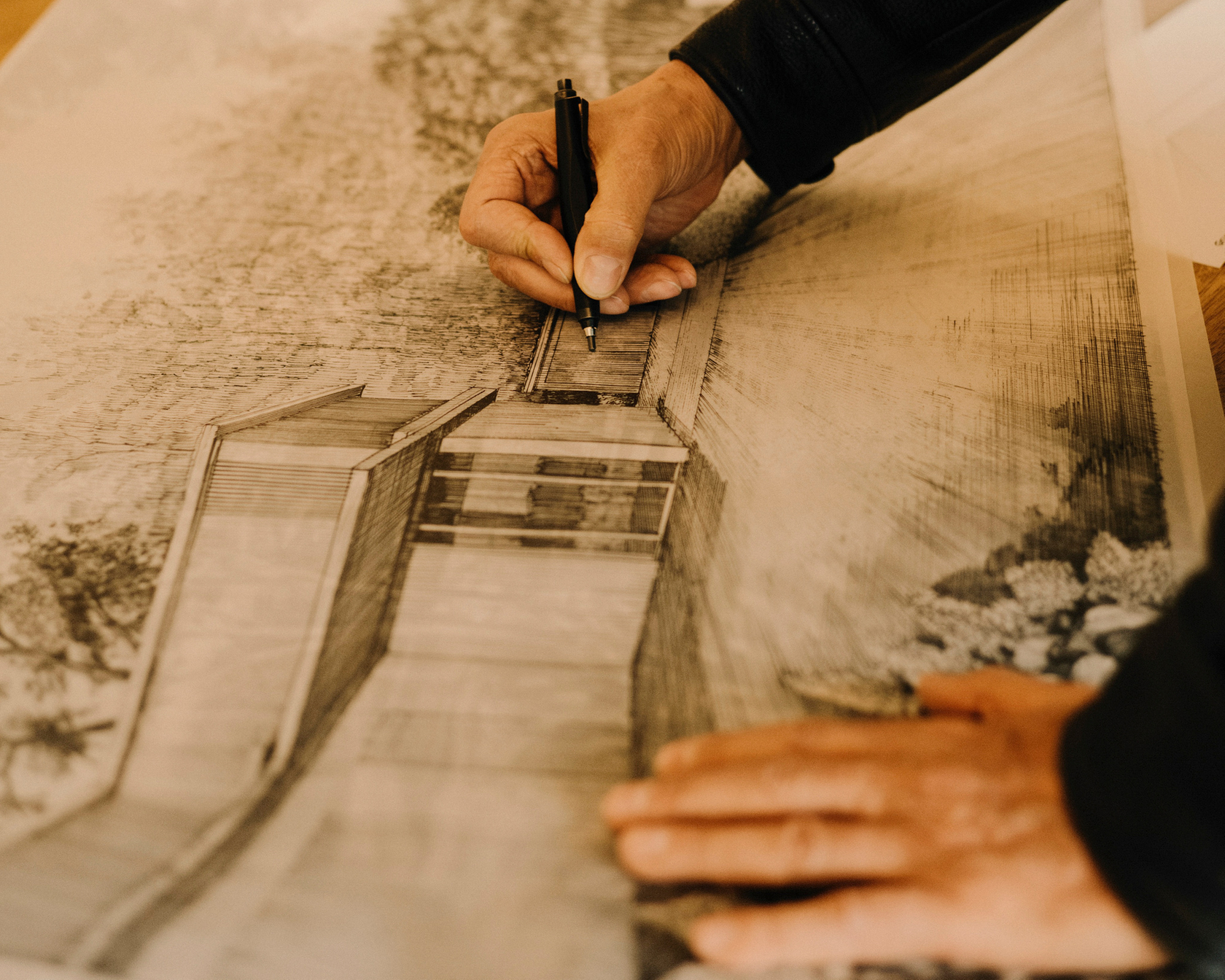
For a long time, green space was conceived mainly to be looked at, contemplated from a distance, like a painting. The French garden, for example, is based on grand avenues and perfectly trimmed hedges – a concept of absolute domination over nature. In England, instead, many houses were built near forests, which provided construction timber. The most majestic trees, such as oaksand beeches, were left standing. Goats were allowed to graze freely nearby, shaping a more natural landscape. Closer to the house, there would be the orchard, the vegetable garden, and flowers. For me, that is the garden. It must be lived in, crossed, used in everyday life. In my work I call this concept outside in: outdoor spaces designed for human activities. Usually people call an architect to design a villa, and only afterwards think about the garden. I prefer to consider the entire available perimeter: the outside as a place in dialogue with the inside. Sometimes it’s enough to rotate a wall by a few degrees and lightly prune a branch to enjoy the shade of a tree, which acts as a natural air conditioner.

Your studio works on projects all over the world. How do you reconcile your poetic vision with the need to adapt each time to a completely different geographical and climatic context?

Wherever I go, the first thing I do is talk to local botanists and learn as much as possible about native and imported species. Luckily, plants have Latin names, so understanding each other is not a problem. Then I go on site: I study wind directions, the path of the sun, soil composition, rainfall… Starting from the genius loci, the spirit of the place, I try to create the ideal setting for eating, reading, sleeping, working, gardening… Whatever the context – a school, a campus, a hospital, a church – I try to align my work with what nature already offers. From there, a different garden emerges every time: sometimes more diverse and colorful, sometimes greener and more essential. Mine is not decoration; it is integration. It’s an attitude that changes the way one designs, because it means entering into a relationship and accepting that a project is never a unilateral act. Plants are not only to be observed and studied; they must be listened to. One example is Arboreal Serenade by Swiss artist Sara Kieffer. This immersive installation, which is exhibited in the Tree Museum, reveals the inner life of a Japanese pagoda tree through sounds and moving images generated from real-time data about the plant.

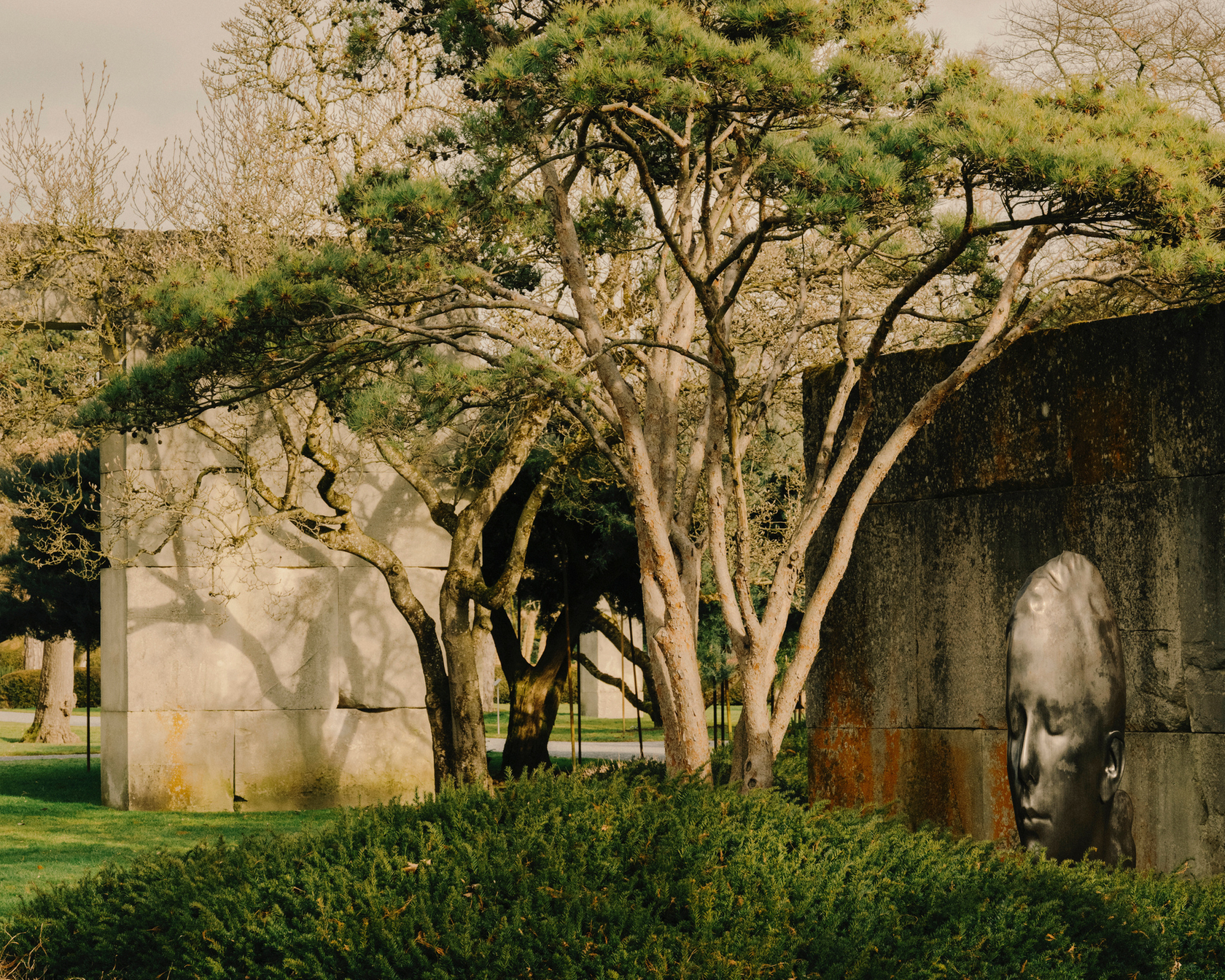
In the Tree Museum, the plants themselves are set against limestone walls that resemble painted backdrops. The entire space seems designed to offer visitors a moment of contemplation. Why?

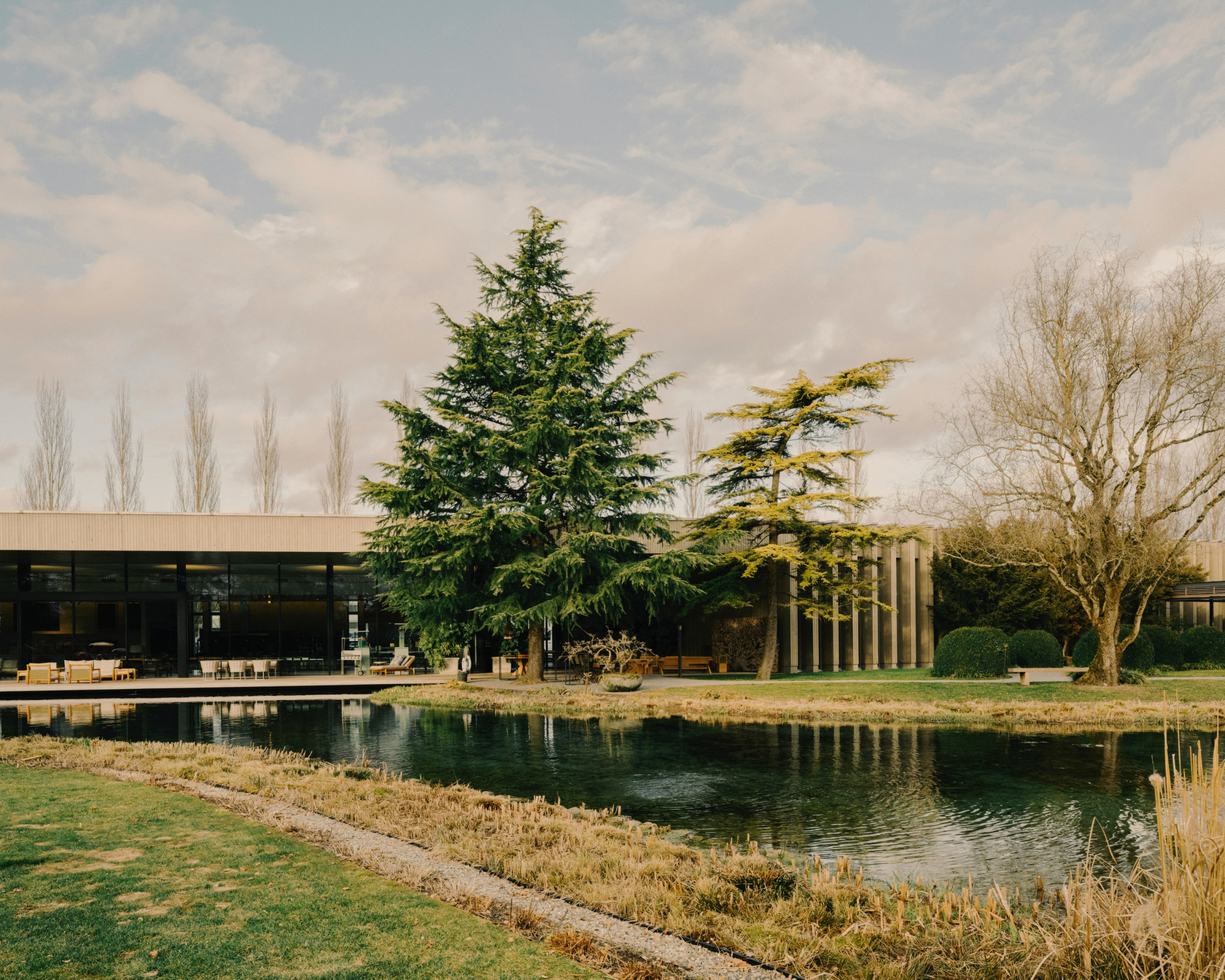
Over the past thirty years, I have rescued a number of trees that were at risk of being cutdown to make way for new construction. At first I planted them in a meadow, then I asked permission to move them to a marshy piece of land owned by a convent. The nuns voted anonymously using balls: a white ball meant yes, a black ball meant no. In the end, all the balls in the urn were white, and I obtained a 99-year lease on the land. I reclaimed it by planting bald cypresses, which absorb water from the soil. Then I continued planting trees that would otherwise have been uprooted because of the construction of a road, a house, a parking lot. The Museum is an oval ring 400 meters long, like an Olympic track. On the outside it is bordered by a yew hedge, an evergreen shrub that has always symbolised the passage between life and death. And indeed, inside it hosts all the plants that are being sacrificed today: the wild apple, pear, and cherry trees, for example, which are the ancestors of their modern equivalents, which give us precious vitamins every day. Further on, in the pond, swim sturgeons – fish that have evolved very little, with the appearance of dinosaurs, yet they give us the most extraordinary food we know: caviar. And beyond that, there is a work by artist Richard Edman that is acommentary on eternity. I think it is important to show all this time in a single place, to help people understand that we are at a decisive moment: if we continue like this, there will be no way back and future generations will pay the price. But if we connect technology with nature, intelligence with sensitivity, then there is still hope. Sustainability requires time – exactly what we too often are not willing to give. Time is everything.

And the nuns – are they happy with the result?

Yes. Recently I also redesigned the convent garden for them. It is a six-thousand-square-meter space. In 1280 there were dozens of nuns working there; today there are far fewer, so it needed to be rethought. Now it includes a cloister where they grow fruit, vegetables, and flowers for the church. I also added bees and sheep grazing the grass. There are places to read and to pray. Next door there is also a farmer with dairy cows. The nuns see me as an arm that helps them translate their ideas about nature into reality.

And if someone asked you to design the Garden of Eden, how would you do it?

My Eden is here and now. I was a boy who had nothing, and even today I am just a gardener. Yet I managed to create the Tree Museum, a sanctuary of living giants, time witnesses that will long outlive us.

About Enzo Enea

Enzo Enea is the founder of Enea Landscape Architecture, an international landscape architecture and horticulture company headquartered in Rapperswil-Jona, with offices in Zurich, New York, Miami, and Milan. With a team of 240 employees from multiple backgrounds, the award-winning firm works across a range of scales – from private residences to hotels, real estate developments, cultural institutions and masterplans – creating sustainable landscape design that aims to positively influence the local micro climates and counteract the effects of climate change.

Black dog in a minimalist room with modern design and furniture.

Let V‑ZUG inspire you.

Learn about designers, chefs and food experts, find out what drives them and get inspired by their stories and recipes.