Rethinking production: How the Adora Circular Edition extends the life of materials | V-ZUG Australia

Rethinking production: How the Adora Circular Edition extends the life of materials

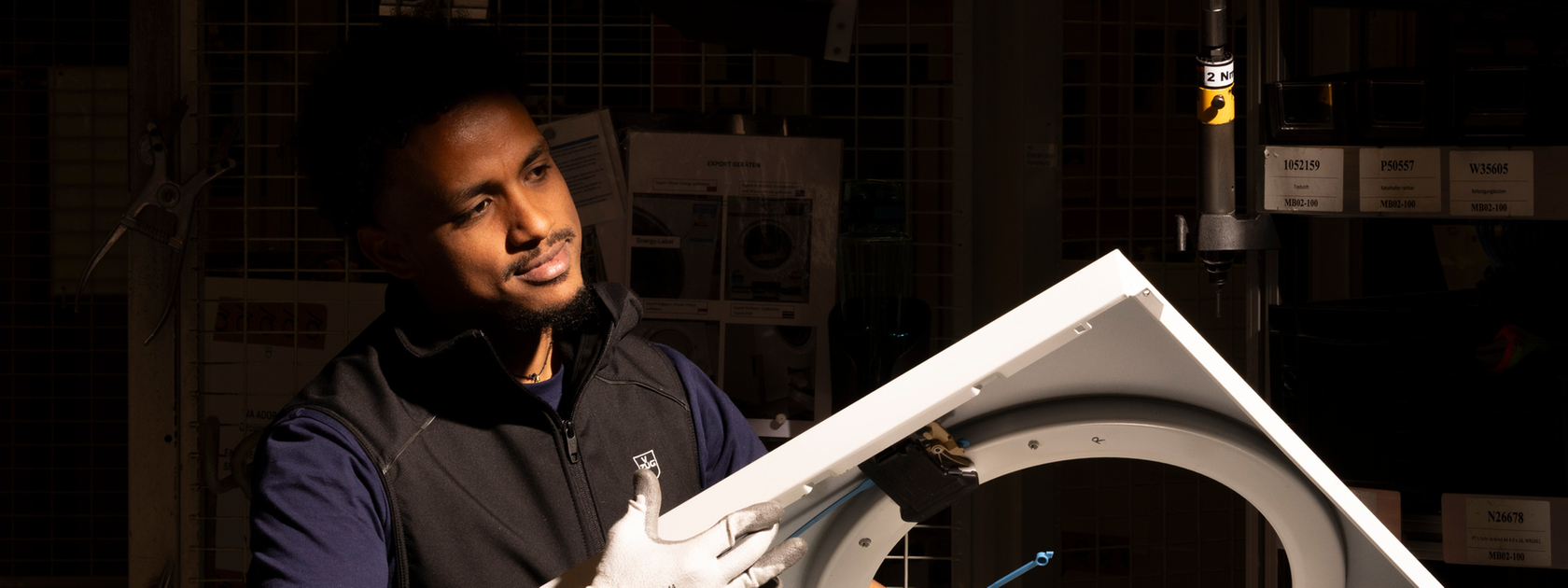
Installation of an extractor fan in a production facility with a worker in the background.

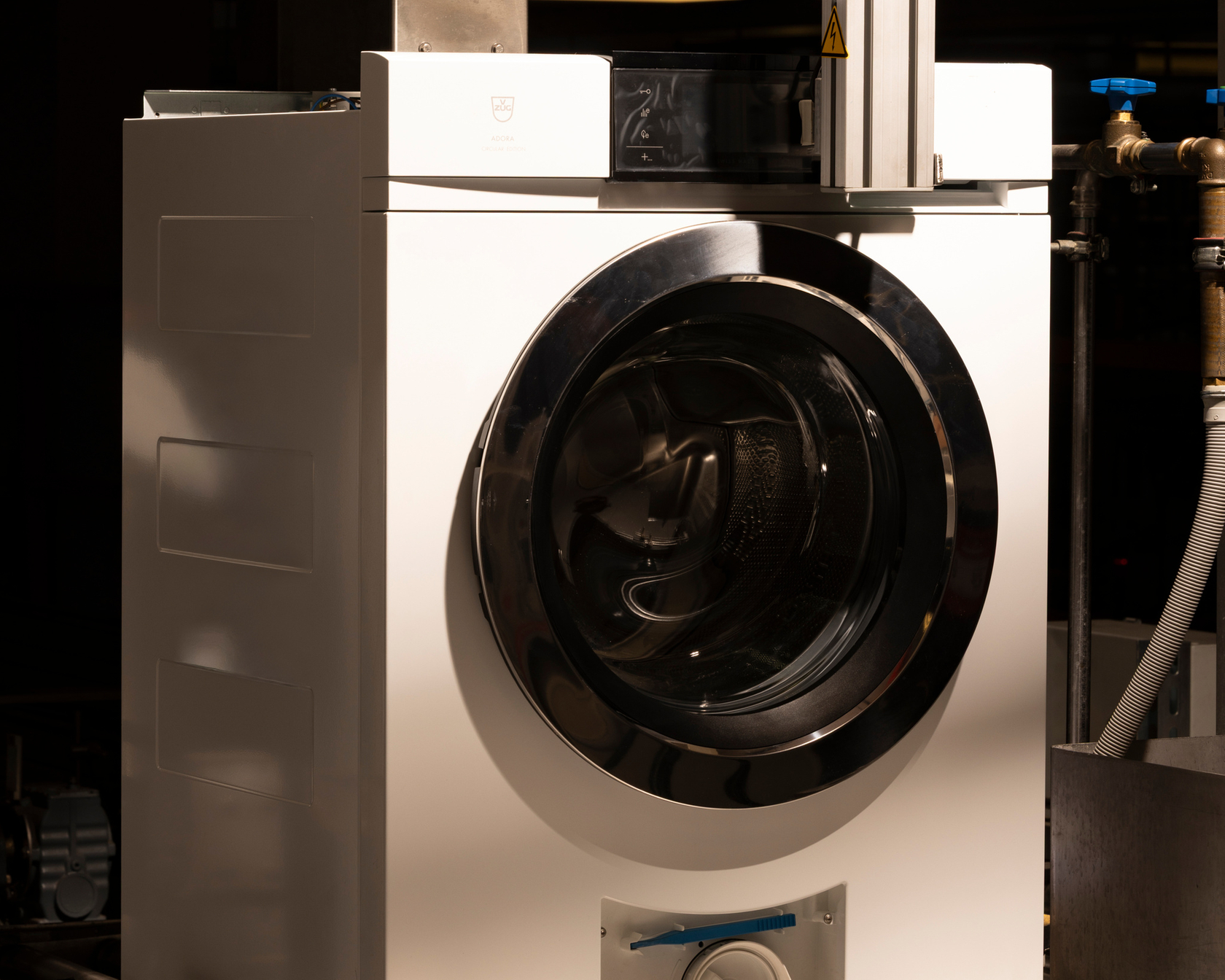
V-ZUG is taking the next step towards a circular economy with the Adora Circular Edition. The environmental impact of the materials used in the Adora Circular Edition is reduced by almost 50%, as the first washing machine to consist of more than 30 reused parts. The project shows how existing production structures can be used to conserve resources and keep materials in circulation for longer – without compromising on quality or functionality.

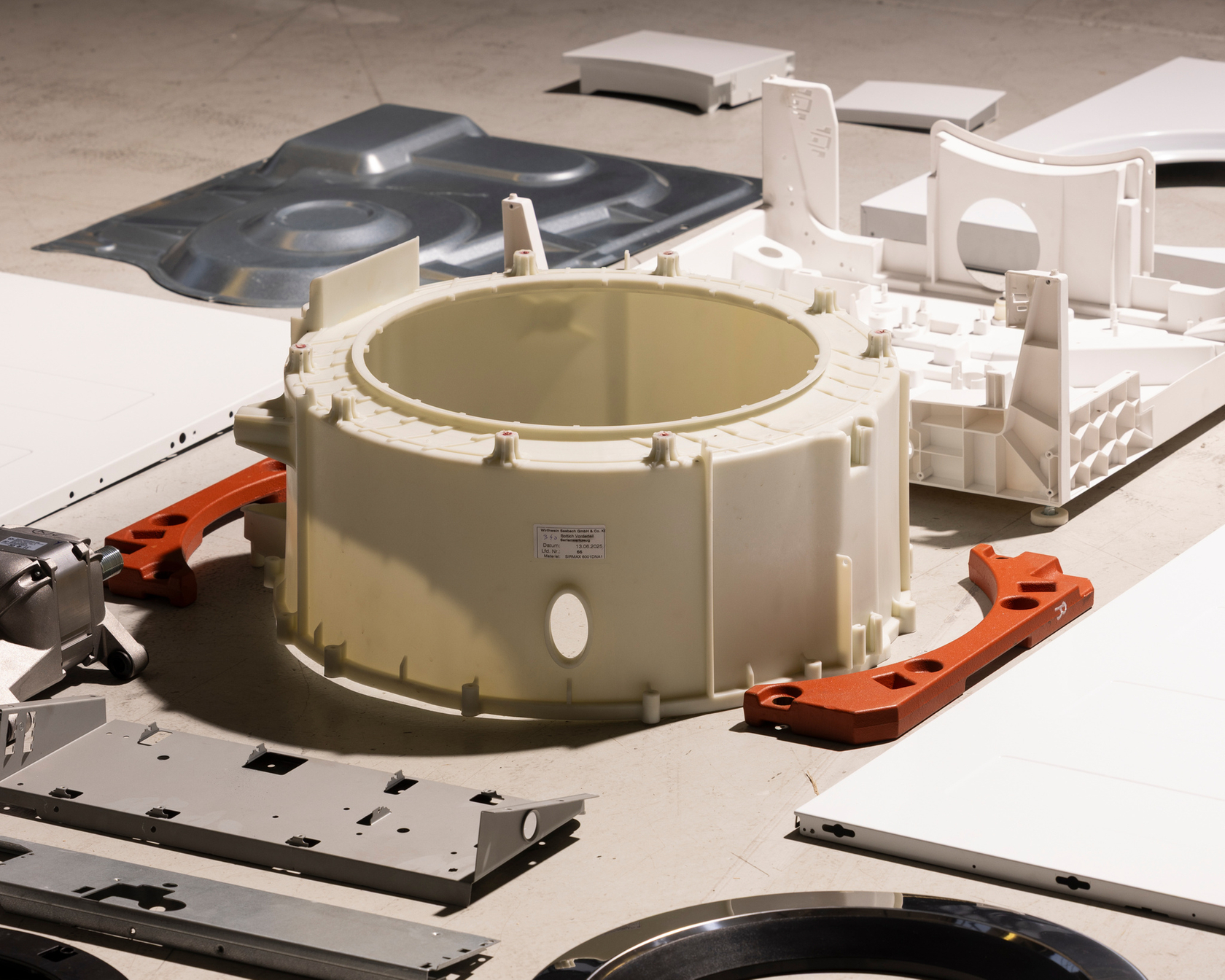
In March 2026, V-ZUG produced the first ten Adora Circular Edition models as a pilot series. The washing machine is based on the principle of remanufacturing. Used washing machines are taken back, dismantled, and their components are carefully inspected, cleaned, prepared for reuse, and reassembled. “This results in an appliance made mostly of used components, but functionally equivalent to a brand-new appliance. We can combine established V-ZUG quality with reuse and resource conservation,” explains Jonas Bulach, Circularity Business Development Manager. “Components that are not subject to heavy wear or do not come into contact with water, such as housing parts or covers, are particularly well-suited for reuse. Critical components, such as electronics or water-bearing parts, are systematically replaced with new parts.

From pilot project to scalable solution

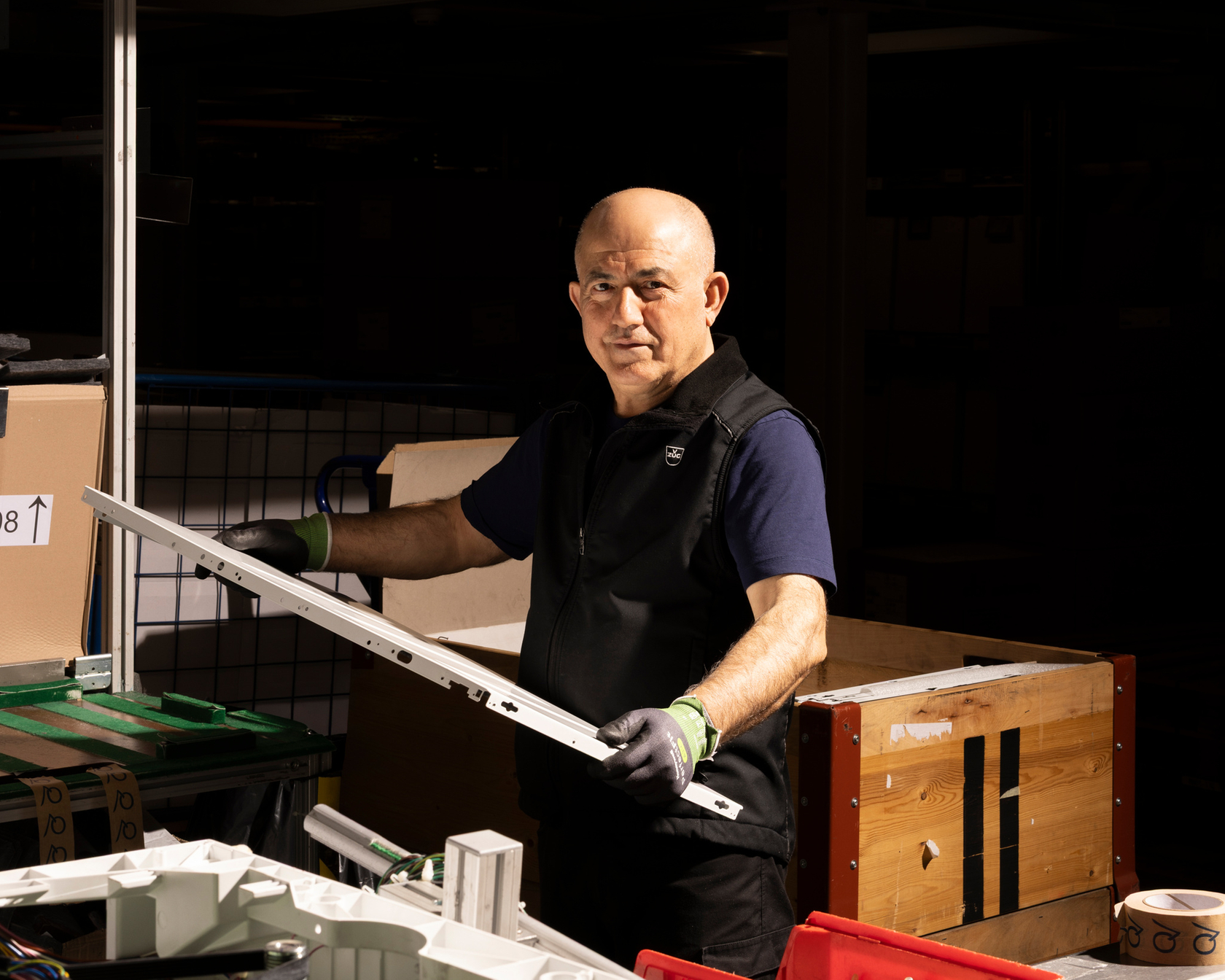
The Adora Circular Edition arose from the ambition to implement various R-strategies. In addition to approaches such as repair, refurbishment and recycling, remanufacturing complements the portfolio as another key component. “In remanufacturing, we see potential to make linear structures more circular,” says Jonas. “There is little intervention in the production process – and the approach is fundamentally scalable.” For the first pilot, ten appliances from the Swiss market were brought back and rebuilt on the existing production line for new appliances. V‑ZUG worked closely with internal production teams as well as external partners such as the Zug Charitable Society. This saves resources while creating Australian jobs, which strengthens local value creation. “This pilot project is based on the extensive expertise of our engineering department and production team. Without the knowledge we have here at the Zug site, a project like this would hardly have been feasible,” Bulach continues.
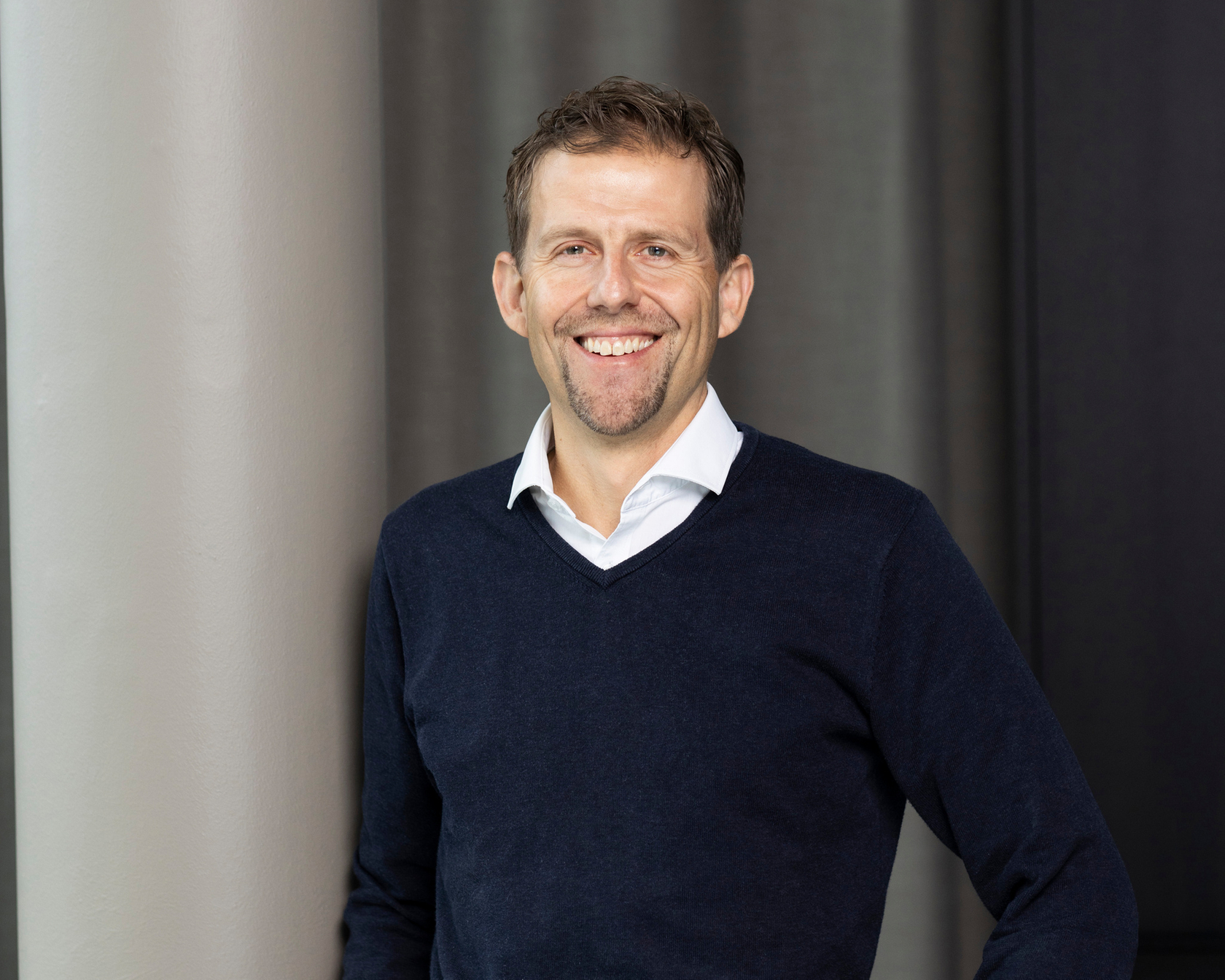
Man in a modern office with minimalist furnishings and marble desk

"Our goal is to keep materials in the cycle and at the highest quality for as long as possible. By reusing components, the environmental impact of the parts used can be significantly reduced – by almost half in the case of the Adora Circular Edition." - Marcel Niederberger, Head of Sustainability

A structured process – from dismantling to final inspection

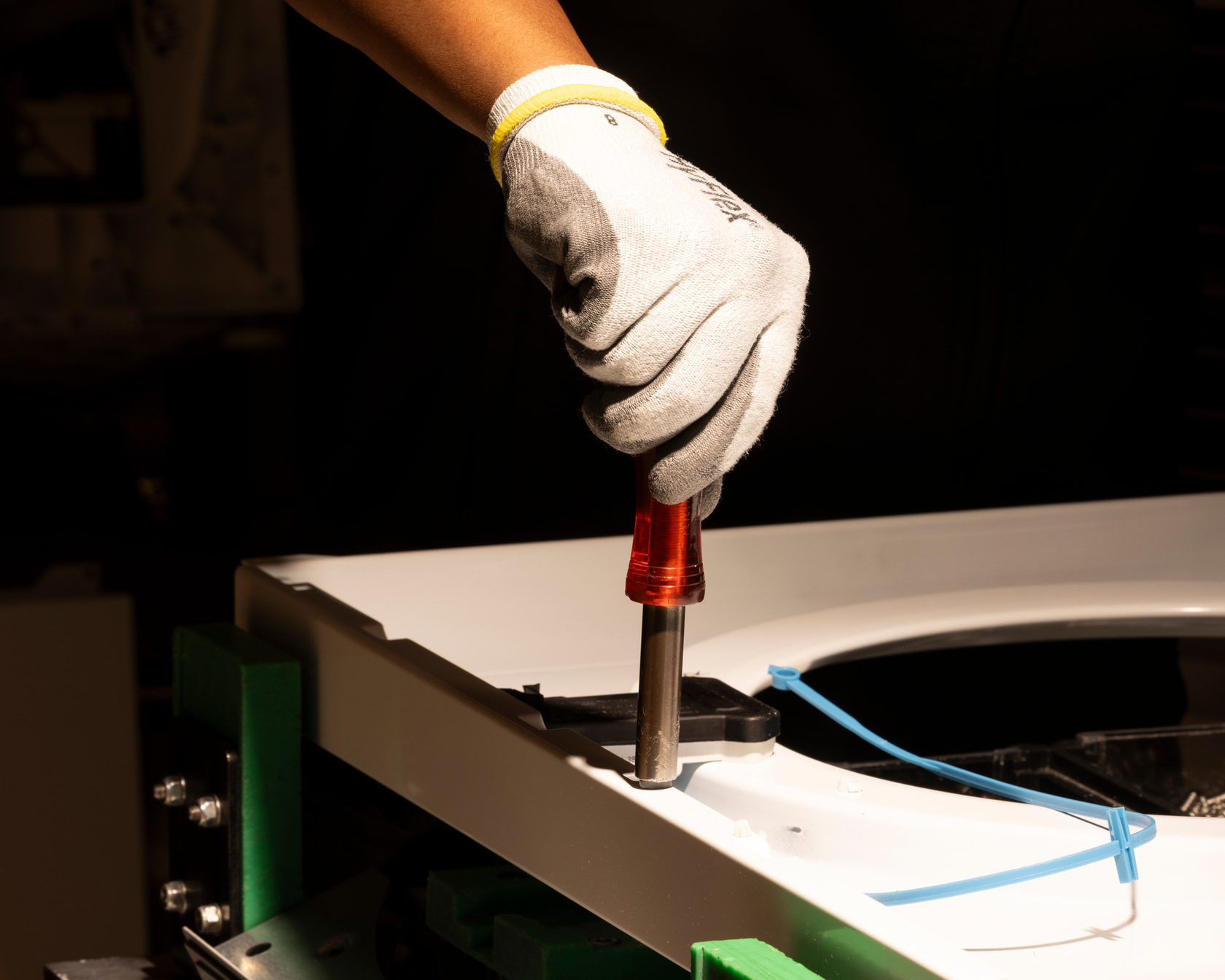
Above all, the manufacturing process differs in the upstream reprocessing of components for reuse. This includes:

  • Dismantling used appliances

  • The development department selecting suitable components

  • Cleaning and quality control

  • Labelling and preparing for assembly

  • Integration into the standard assembly process

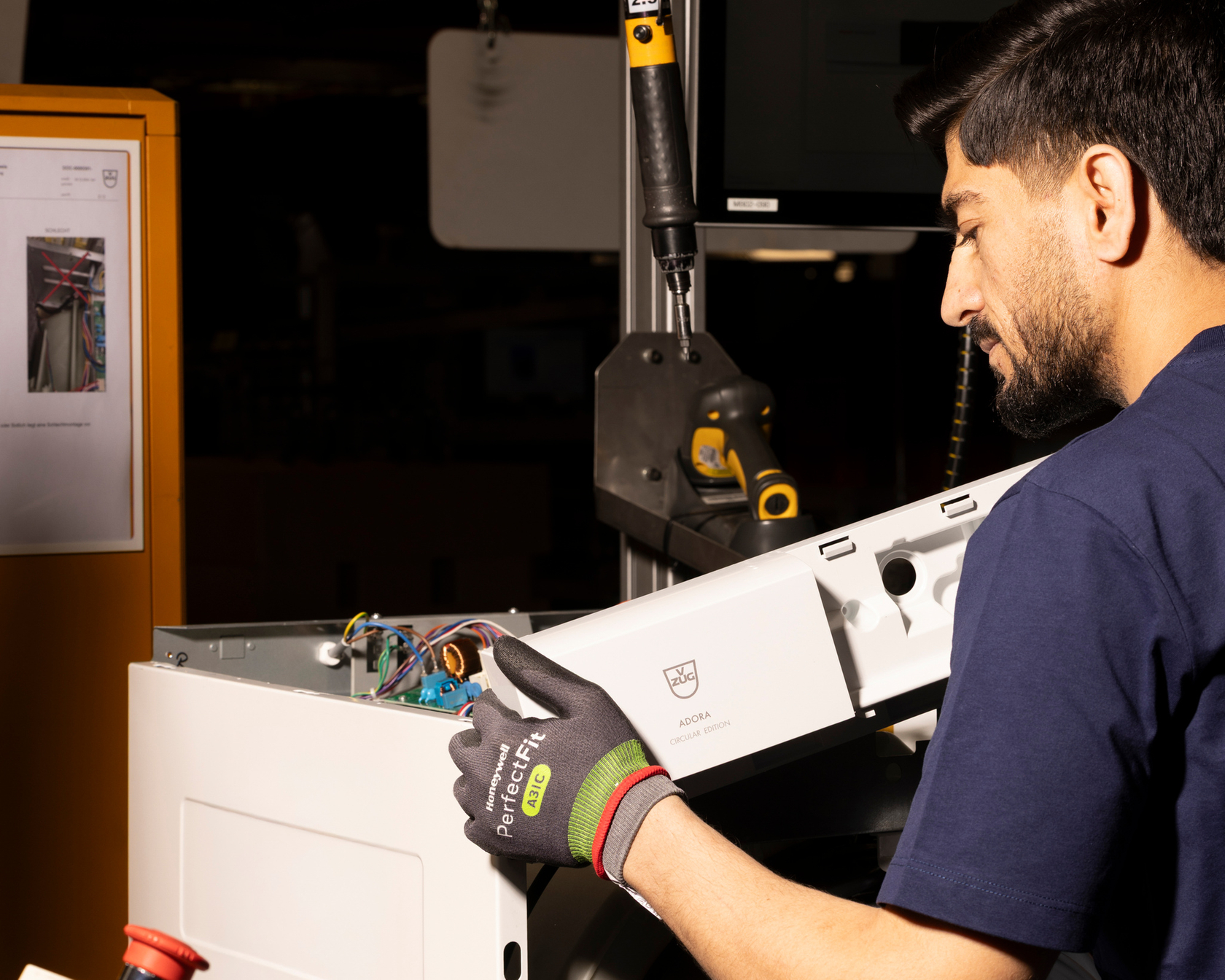
“After reprocessing, the parts are installed together with new parts, as with a normal new appliance,” explains Pius Huber, Head of Laundry Production. The appliances are assembled on the same line and under the same conditions as standard appliances. Although used components are installed, the same quality standards apply to the Adora Circular Edition as to new appliances. “All components must pass mechanical tests. We don’t allow any compromises in quality here,” emphasises Daniel Frost, Circular Economy Sustainability Expert. “Components for reuse that are visible and not subject to mechanical wear can sometimes exhibit minor colour variations due to their age. We consciously accept this in order to reduce environmental impact. They are also carefully cleaned and labelled as components for reuse for traceability.

Environmental impact reduced by almost half

The project is closely embedded in V-ZUG’s sustainability strategy. The aim is to continuously reduce environmental impact, particularly through lower material use. “Our goal is to keep materials in the cycle and at the highest quality for as long as possible,” says Marcel Niederberger, Head of Sustainability. Remanufacturing is an important next step in this regard. “By reusing components, the environmental impact of the parts used can be significantly reduced – by almost half in the case of the Adora Circular Edition,” he adds.

New perspectives for market and production

In addition to its environmental benefits, the project also opens up new market opportunities. The Adora Circular Edition is aimed specifically at customers who value sustainability and the circular economy. “We see this as an opportunity to position a new product range,” says Marcel. “An appliance with the same functionality but using far fewer resources.” At the same time, the project has shown that internally, production is flexible enough to implement concepts like this. We are now examining how this approach can be scaled up and integrated into the portfolio in the future.

Download our sustainability report

Information concerning the measurable aspects of our activities can be found in the detailed report.

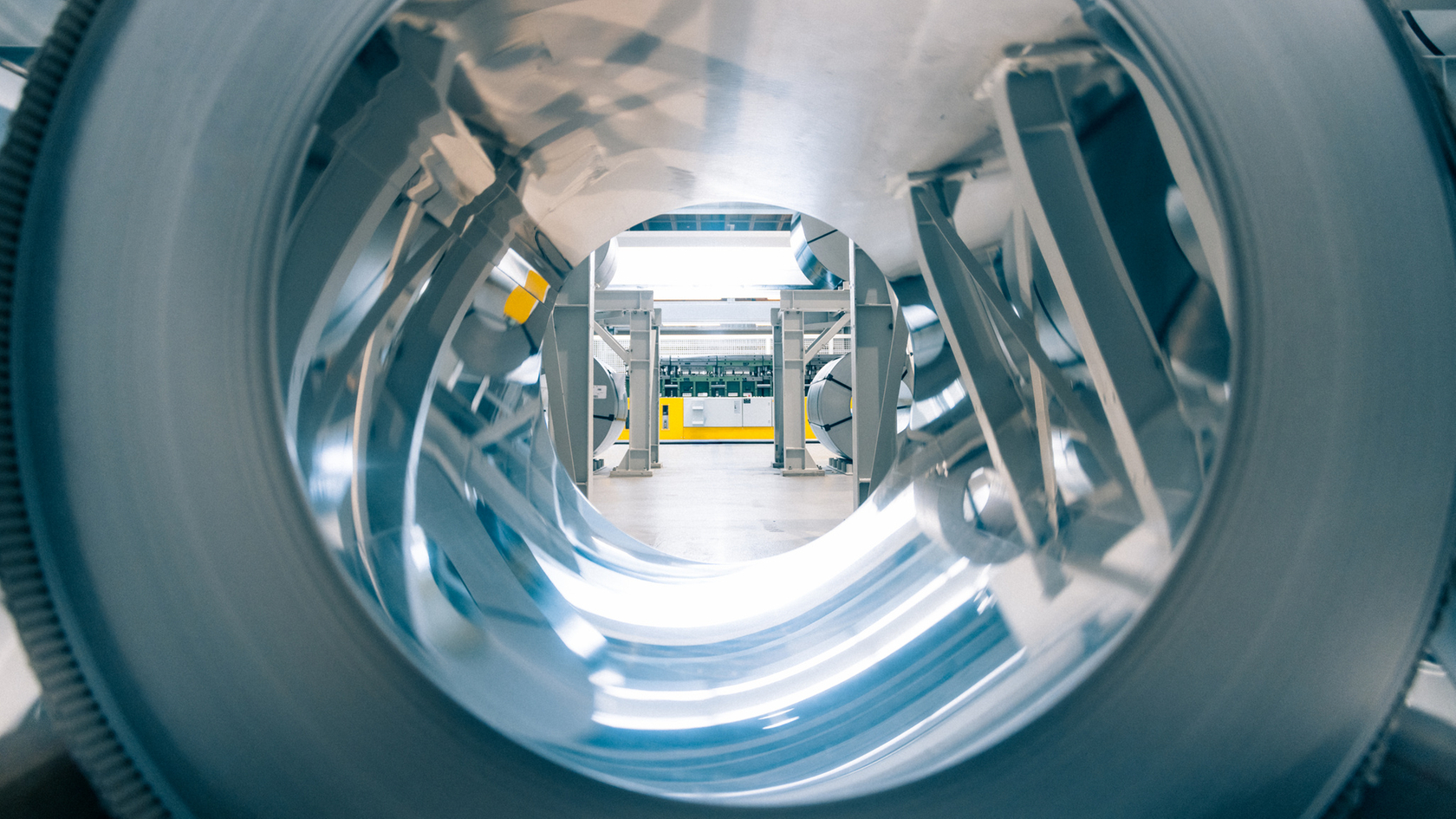
Stainless steel roll in a production hall representing industrial manufacturing and modern technology.

Our journey to a more sustainable tomorrow

For us, sustainability is not just a commitment to protecting the environment. It is the beating heart of our product development, our services and the way we work together. Find out how we incorporate sustainability into every aspect of our journey towards a better and more conscious future.