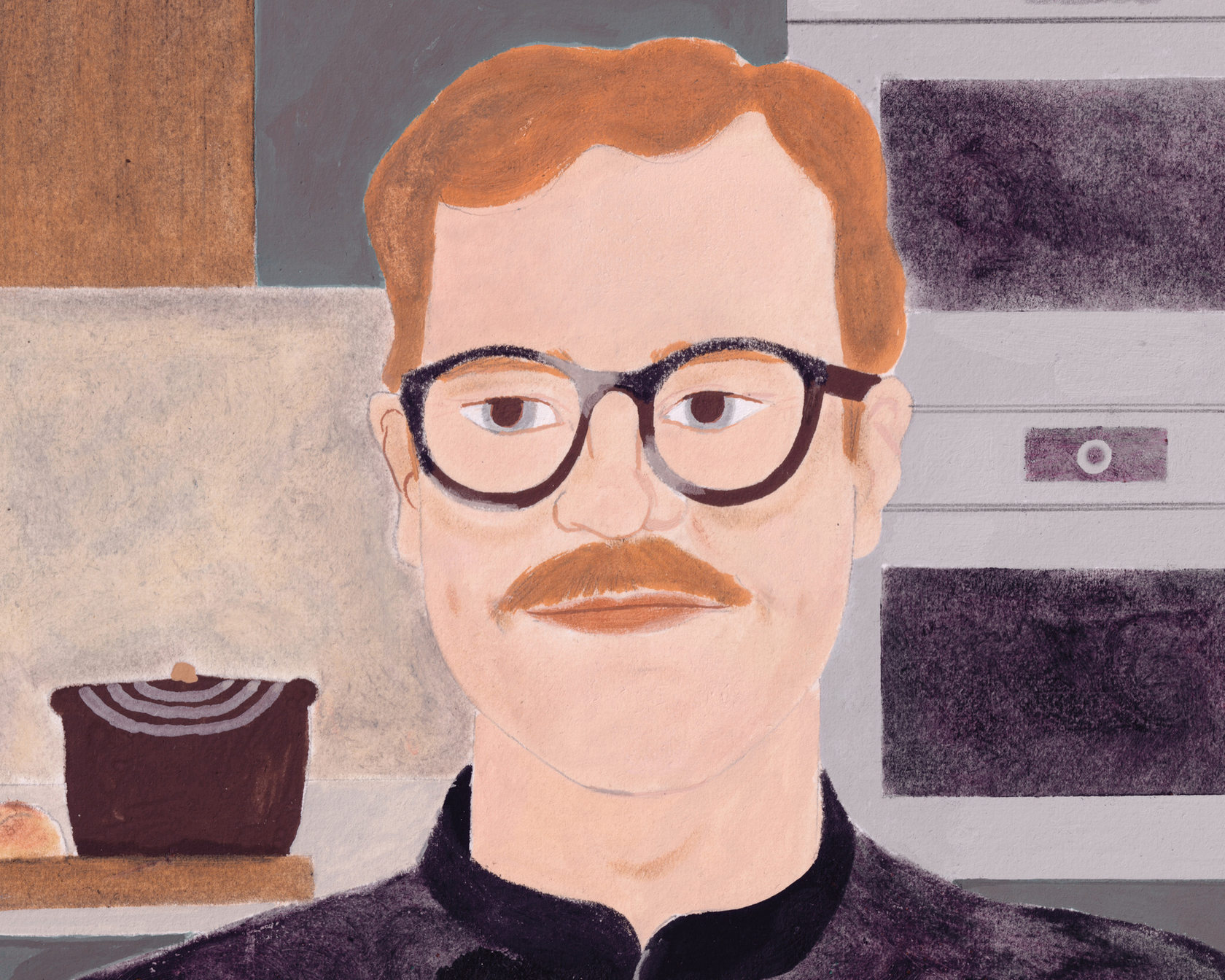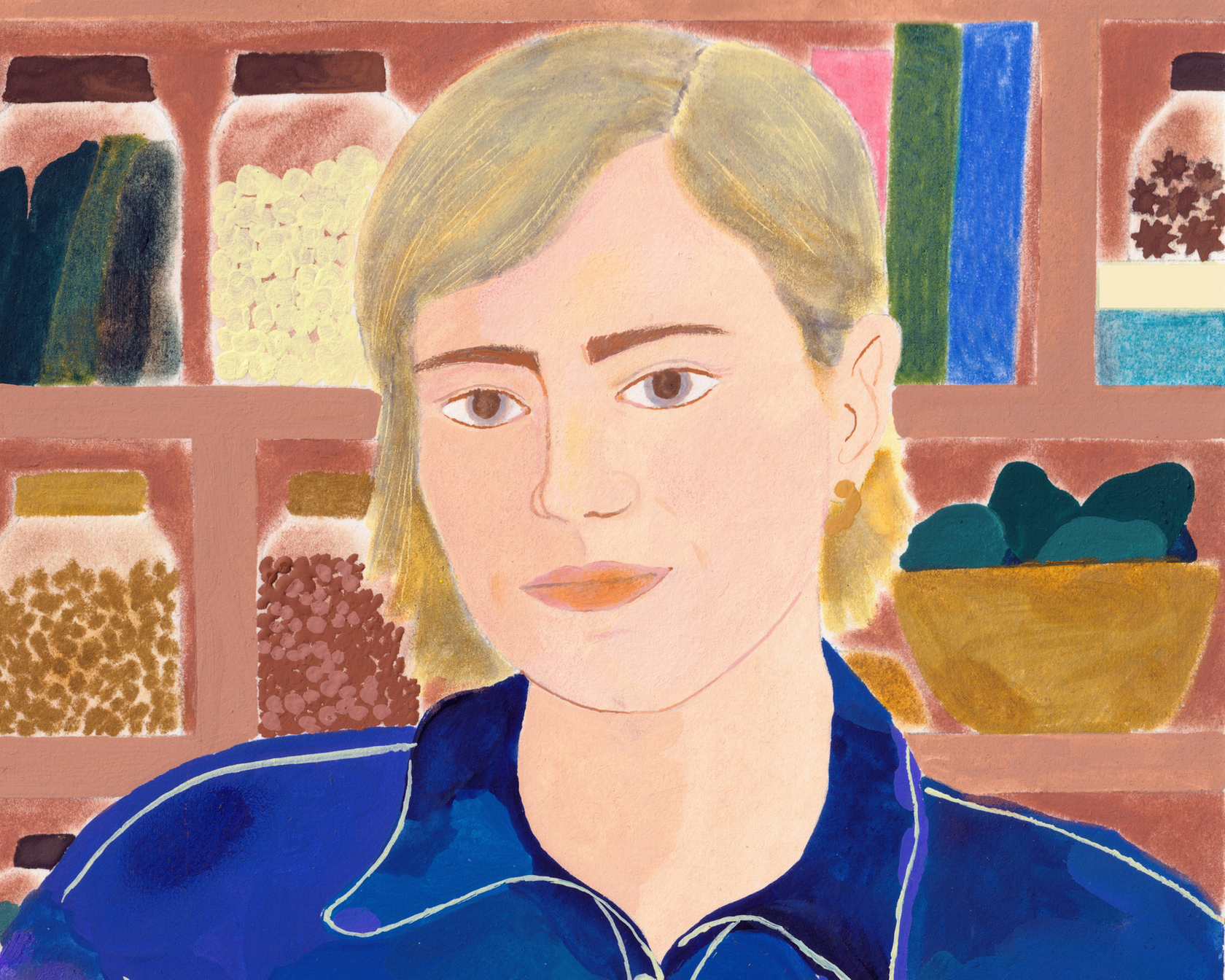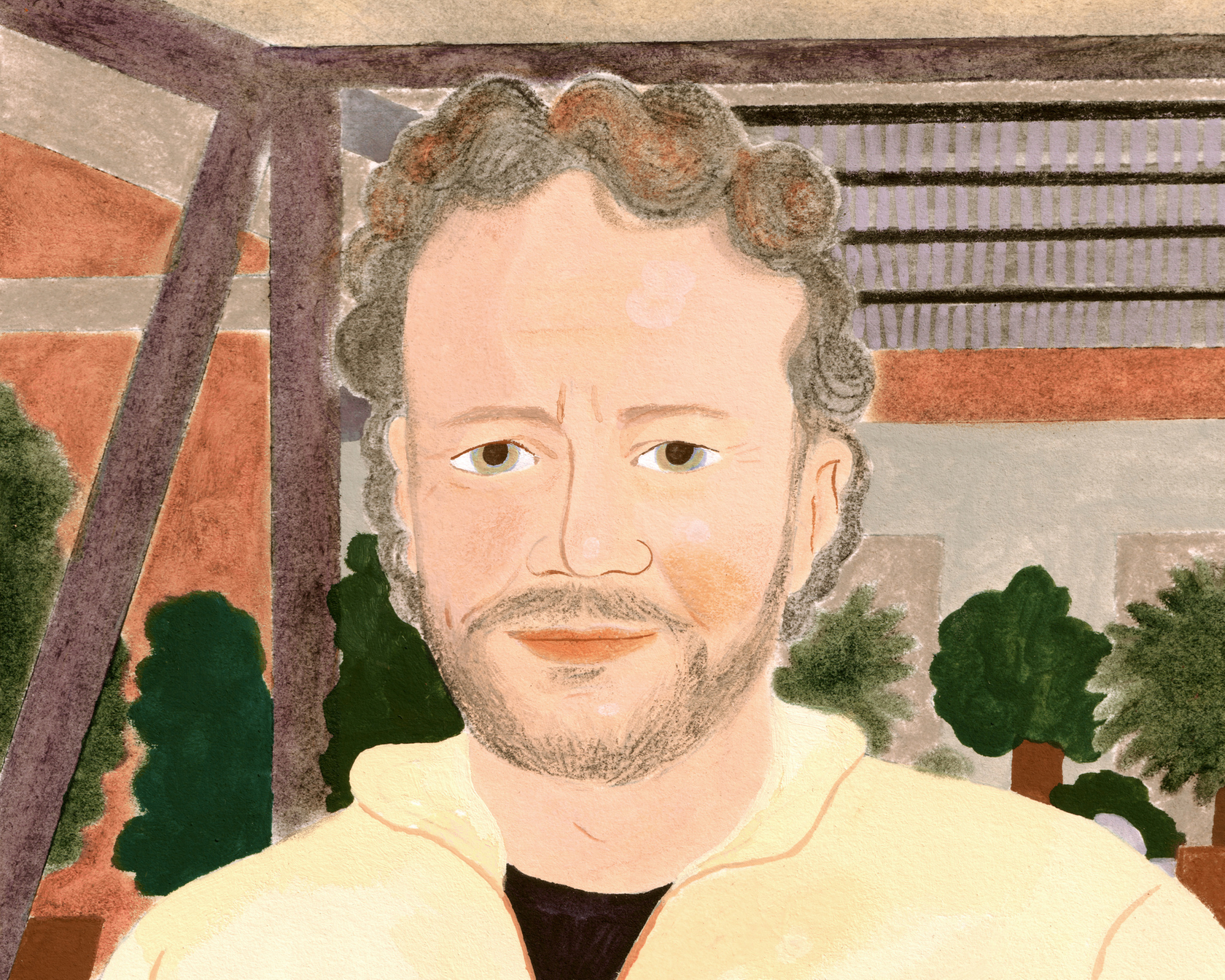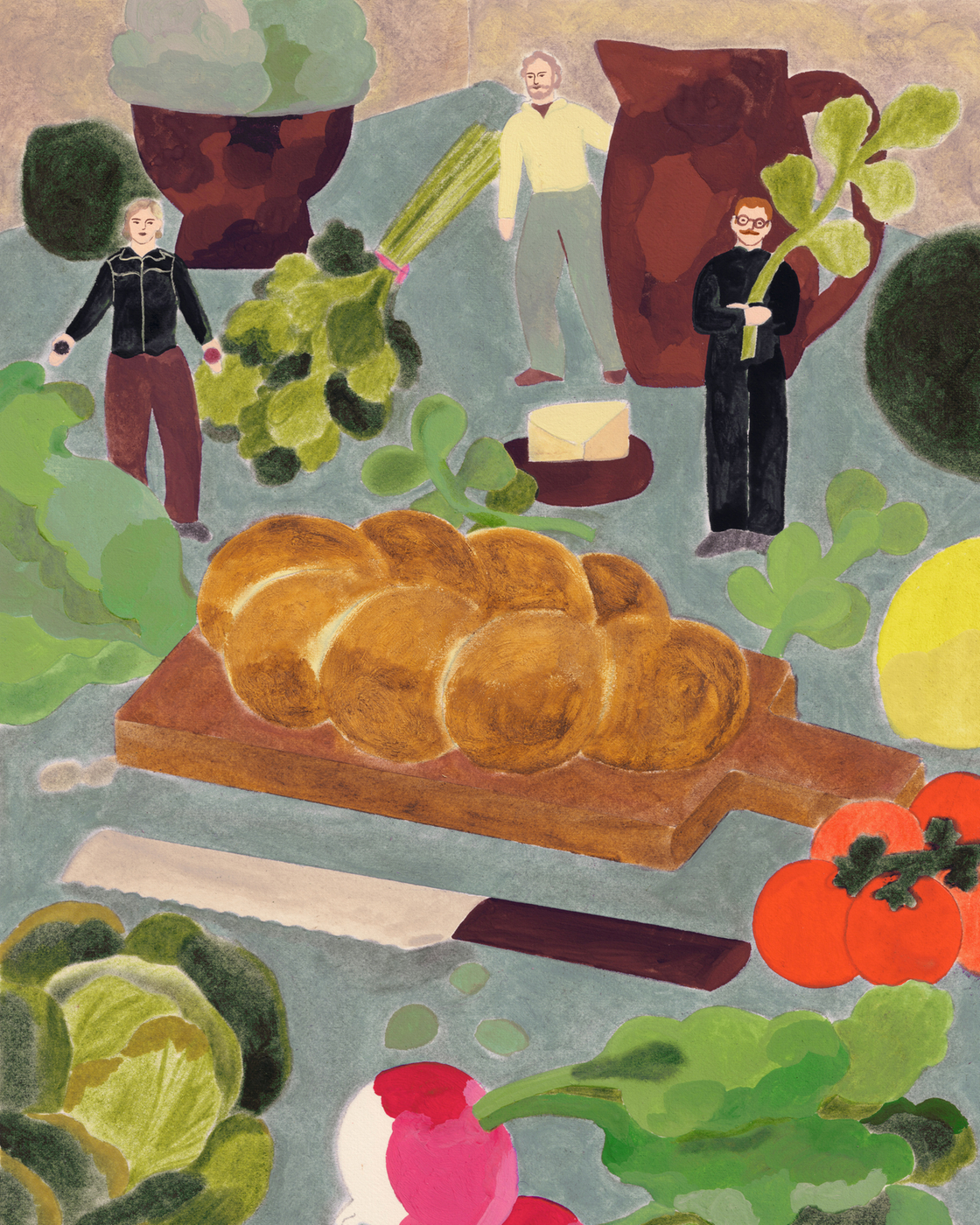
This conversation begins in that tension: where local produce becomes global cuisine, where plant-based menus sit comfortably within 125-year legacies, and where the design of a kitchen can shape not just what we cook, but how we connect. At its heart, it’s about something deceptively simple, how to eat well, in every sense of the word. За столом зібралися – Крістофер Лакруа (CL) з V-ZUG Gourmet Academy; К’яра Джассон (CJ), дієтологиня; та Рольф Хільтль (RH), ресторатор.Разом вони обговорюють низку тем: від ресторану зі 125-річною історією до архітектури сучасної кухні, від регіональних ритуалів і місцевих джерел до викликів дієтичних трендів і культури продуктивності.Beneath it all runs a quieter question: how do we keep food grounded, generous, pleasurable, and rooted in care, in a world that increasingly asks us to optimise it?
DP: Switzerland often gets reduced to a handful of clichés, cheese, chocolate, fondue. From your perspective, what’s most misunderstood about Swiss food culture?
CL: Стереотип – це фондю, раклет, але Швейцарія, через своє розташування, перебуває під впливом італійської, французької та німецької культур, що робить її дуже цікавою.There’s a misunderstanding that Swiss food is plain, while actually it is diverse and layered and you have cities like Zurich (amongst others) which are very multi-cultural, with amazing chefs and restaurants.
CJ: People tend to think of the Swiss as very disciplined and traditional. And yes, there is tradition but it’s also very innovative. Інновації є у сфері харчової науки, науки про харчування, кулінарних традицій і технологій.It’s far from boring or rigid. Swiss food culture is really about balance, a continuity that underlies both tradition and progress.
RH: People just break it down to stereotypes. When we opened in London and said we were from Switzerland, people were confused, they asked, “Where’s the cheese?” But in every country there’s much more than the clichés. У нас є спадщина та інновації, і я вважаю, що наша якість дуже висока, оскільки стажування на кухнях сприймається дуже серйозно.
DP: Beyond national dishes, what regional traditions or everyday rituals in Switzerland feel most meaningful to you?
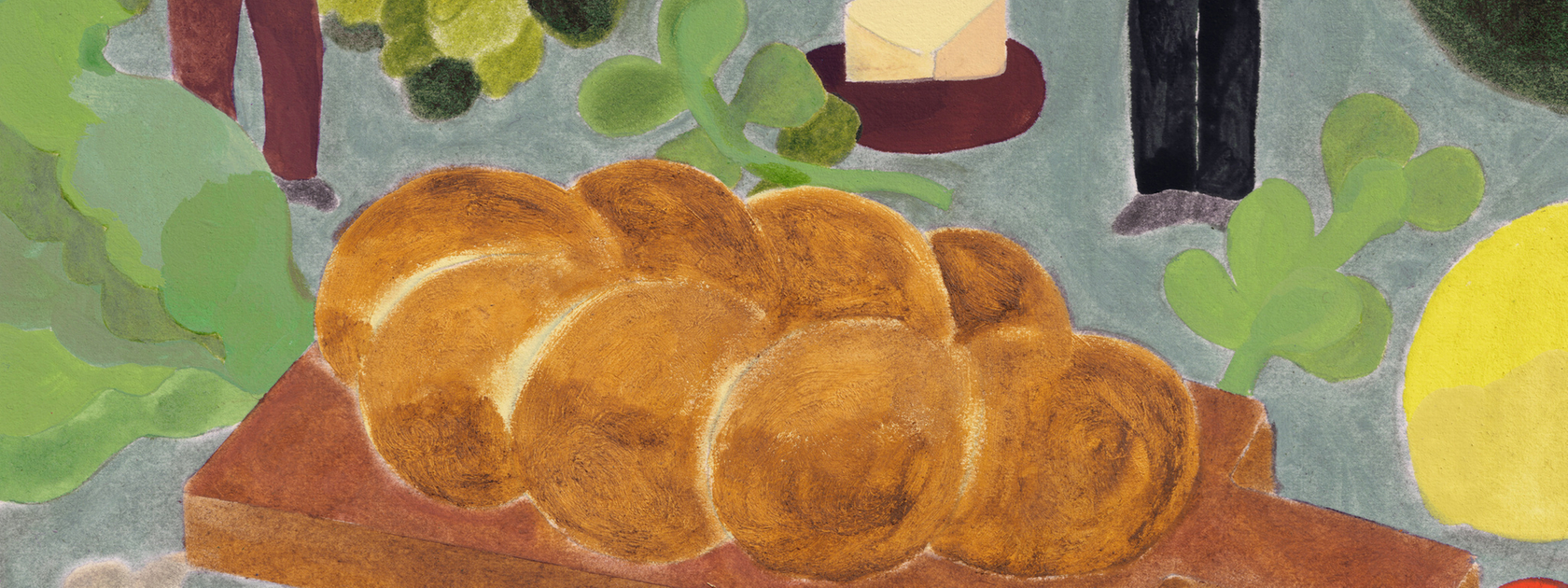
CL: For me, something that really stands out is Zopf, that butter brioche-style bread. Sunday morning Zopf is a kind of ritual in our home and the family loves it. It’s not only the bread itself, it’s what it represents; the occasion and being together. That’s often the way. It’s not just the food, it’s the people you share it with, the setting, the memories.
CJ: Я живу в Лугано, Тічино, де можна проїхати десять хвилин від центру міста і опинитися на фермі, збираючи яйця чи молоко. Sometimes there are little fridges on the side of the road stocked with local organic products. They’re unlocked, you open the fridge, there’s a small box where you drop your coins, two francs for eggs, maybe 60 cents per egg. It’s based on trust. And people respect that.
RH: In Switzerland, especially in the mountains, people traditionally grew their own products. Є велика повага до того, що ви створюєте, до сезонності, до простоти.That connection to growing your own food, to knowing where it comes from, that’s something that’s really important.
DP: Thinking about the point that Chiara made about Switzerland’s ability to balance innovation with deep-rooted tradition. Where do you see that interplay between progress and heritage showing up most clearly in food culture today?
CL: This is something we think about every day at the Gourmet Academy, we experiment with new appliances to create new experiences or dishes. Take something like a crème caramel, normally you’d have to make it in a bain-marie and it’s quite delicate. Now, you can do it much more easily using innovative tools, with steam at a precise temperature. Мені подобається як дуже традиційна їжа, так і дуже інноваційна, але обидва варіанти можуть бути невдалими, якщо їх неправильно приготувати або приправити.Having the right tools and a well-designed kitchen helps you execute both contemporary dishes and old classics really well.
CJ: I studied at ETH in Zurich and there are many startups there working on sustainability and integrating technology into daily food culture, developing alternatives to meat, for example, or doing research around gut health and the microbiome. So, there’s a lot happening on that level. At the same time, on a smaller scale, I recently had dinner at a place where the chef completely rethought his menu, which is now mostly plant-based for sustainability, using entirely local, seasonal produce and using every single part, from peel to seeds, so that nothing is wasted. It’s very innovative because it’s technical and complex, but at the same time very simple, rooted in local produce and tradition.