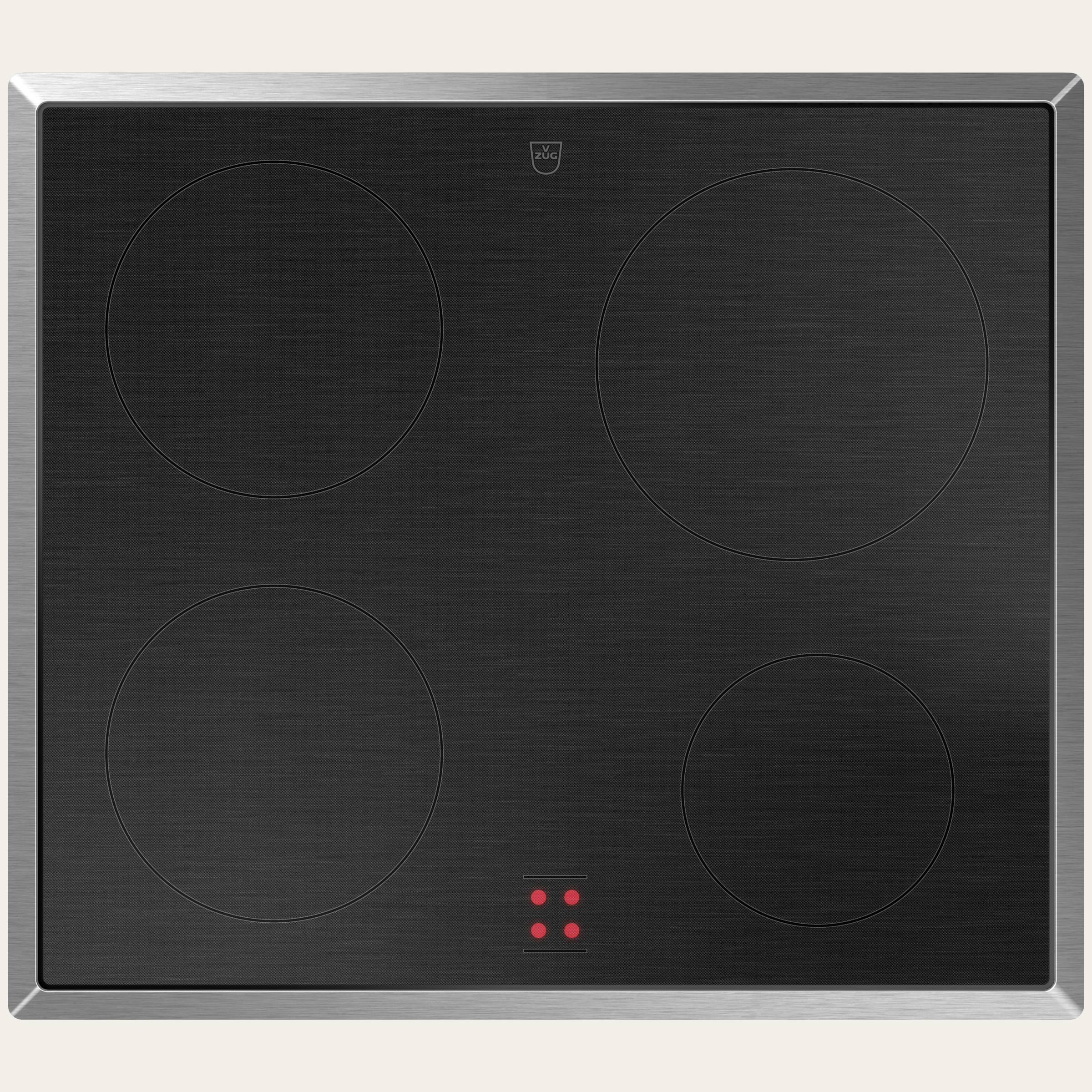
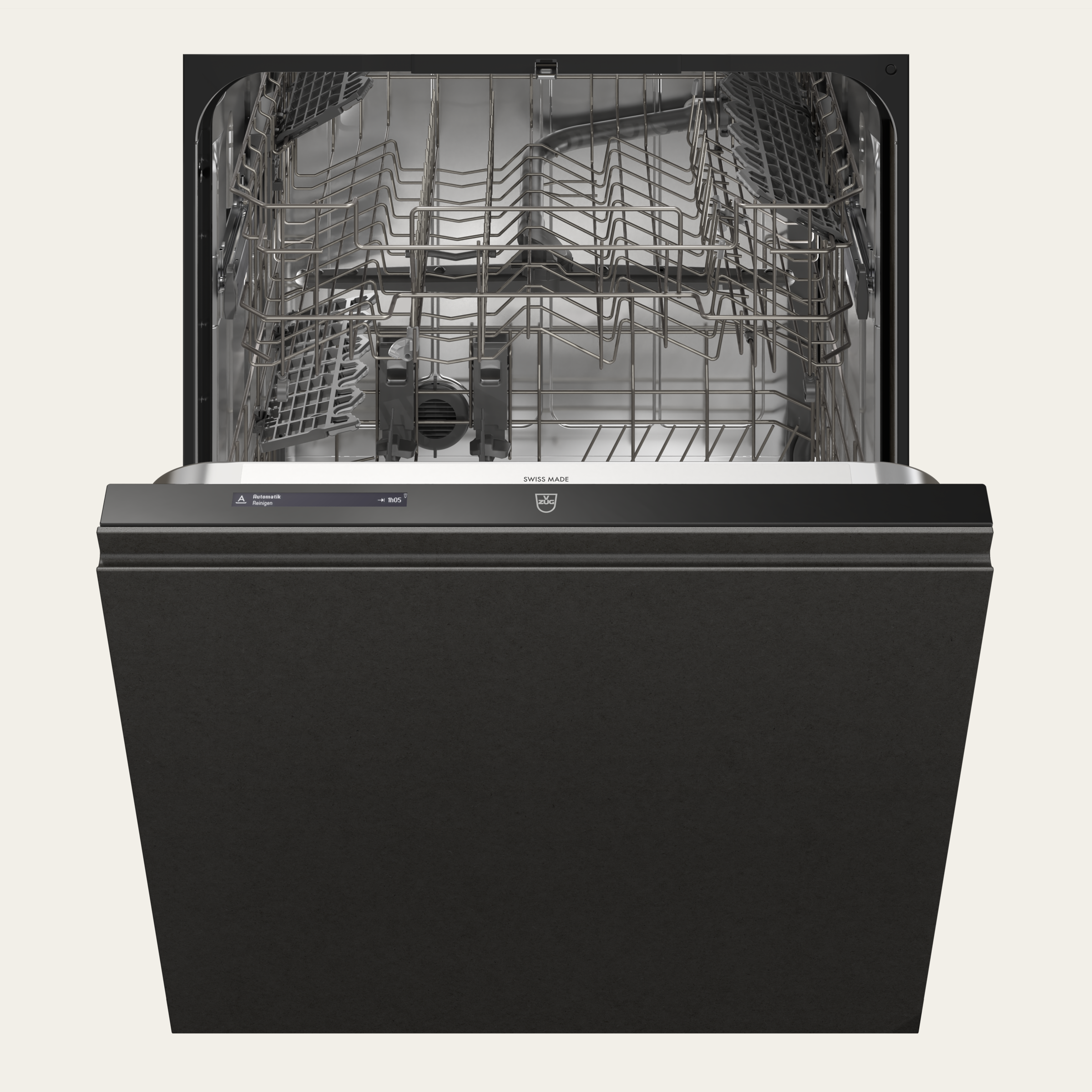
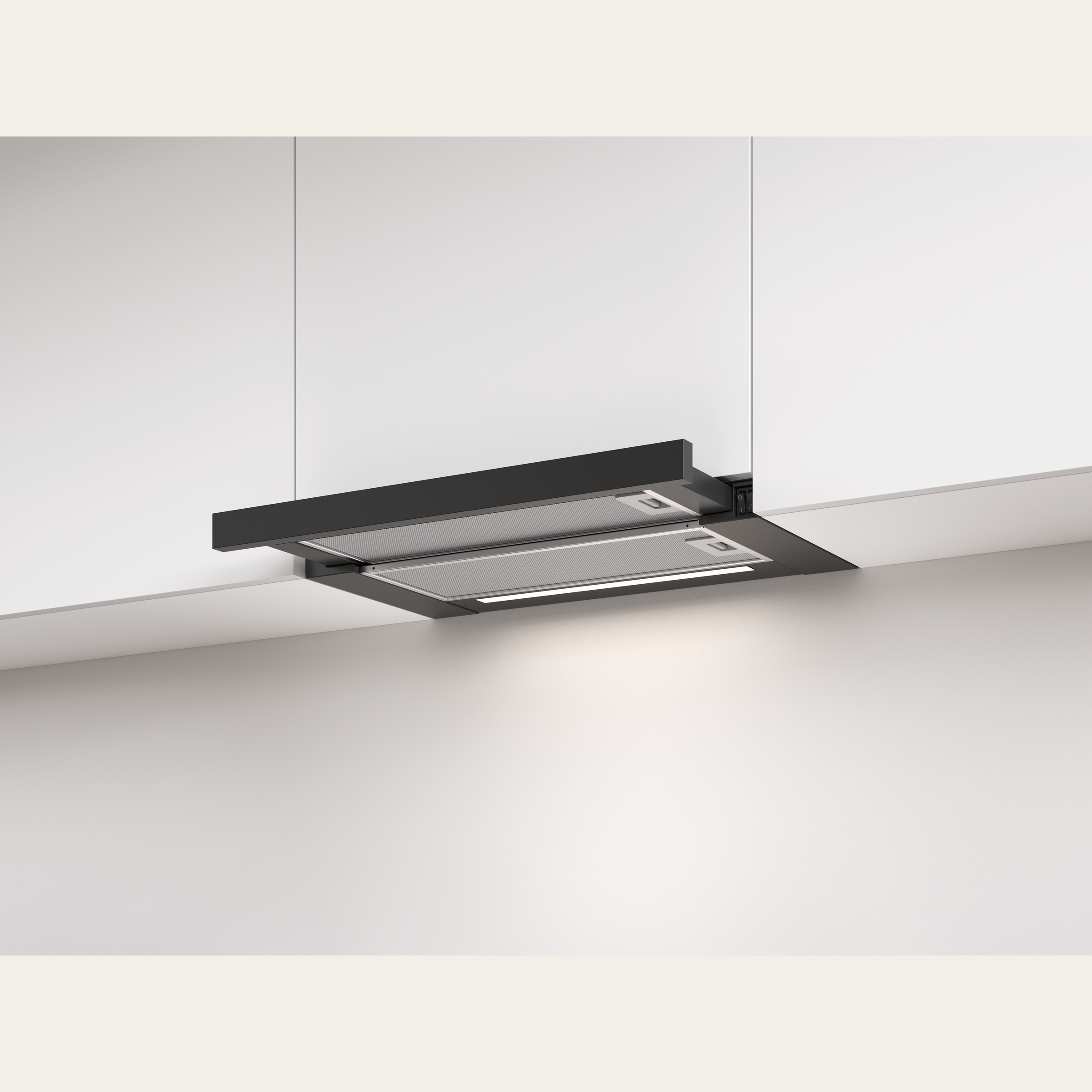
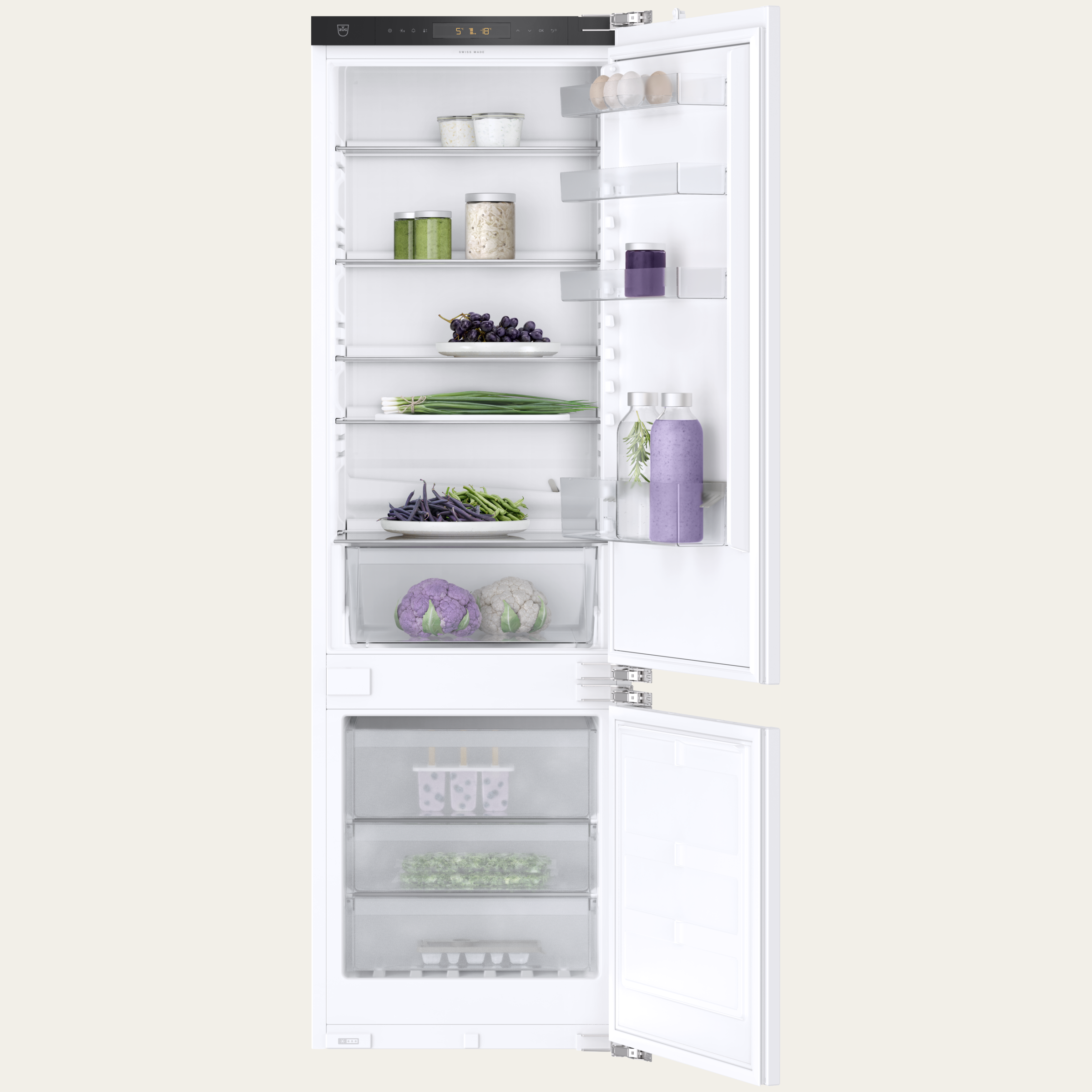
Founded in 1946, the Dr Stephan à Porta Foundation manages approximately 1,450 apartments across 160 properties in the City of Zurich. The Foundation is dedicated to providing affordable housing while supporting social and charitable initiatives in Zurich and Graubünden. Uniquely, it has never sold a property, enabling every investment decision to be guided by long-term stewardship rather than short-term returns.
Armin Isler, former Managing Director of the à Porta Foundation, talks about values-driven housing, a replacement development in Zurich’s Hard district, and why some decisions are not really decisions at all.
Armin Isler, the à Porta Foundation has existed since 1946. What is at the heart of its mission?
The mission is set out in the Foundation Charter and leaves no room for interpretation: we preserve and manage charitable, socially minded properties for the long term, and we are not permitted to sell them. If you never sell, you bear the consequences of every decision yourself, for decades, sometimes for generations. That changes how you build, who you work with, what you accept and what you do not. Zurich is where we make our impact, and we feel a responsibility to this city – not on paper, but in everyday practice. The Foundation uses its net profits exclusively to support charitable and social projects in the City of Zurich and the Canton of Graubünden. Since 1946, it has contributed almost CHF 80 million (index adjusted) and supported more than 3,000 projects for disadvantaged people.
Which values are most important to the Foundation, particularly when it comes to construction?
My three key principles are always the same: sustainable, robust and low-maintenance. Anyone who takes those seriously must calculate differently from most people. The construction of a building accounts for only around 20% of total costs; the remaining 80% are lifecycle costs. We do not build economically because we are clever – we do so because we have no choice. We cannot sell and move on. We stay.
How does that influence your choice of materials?
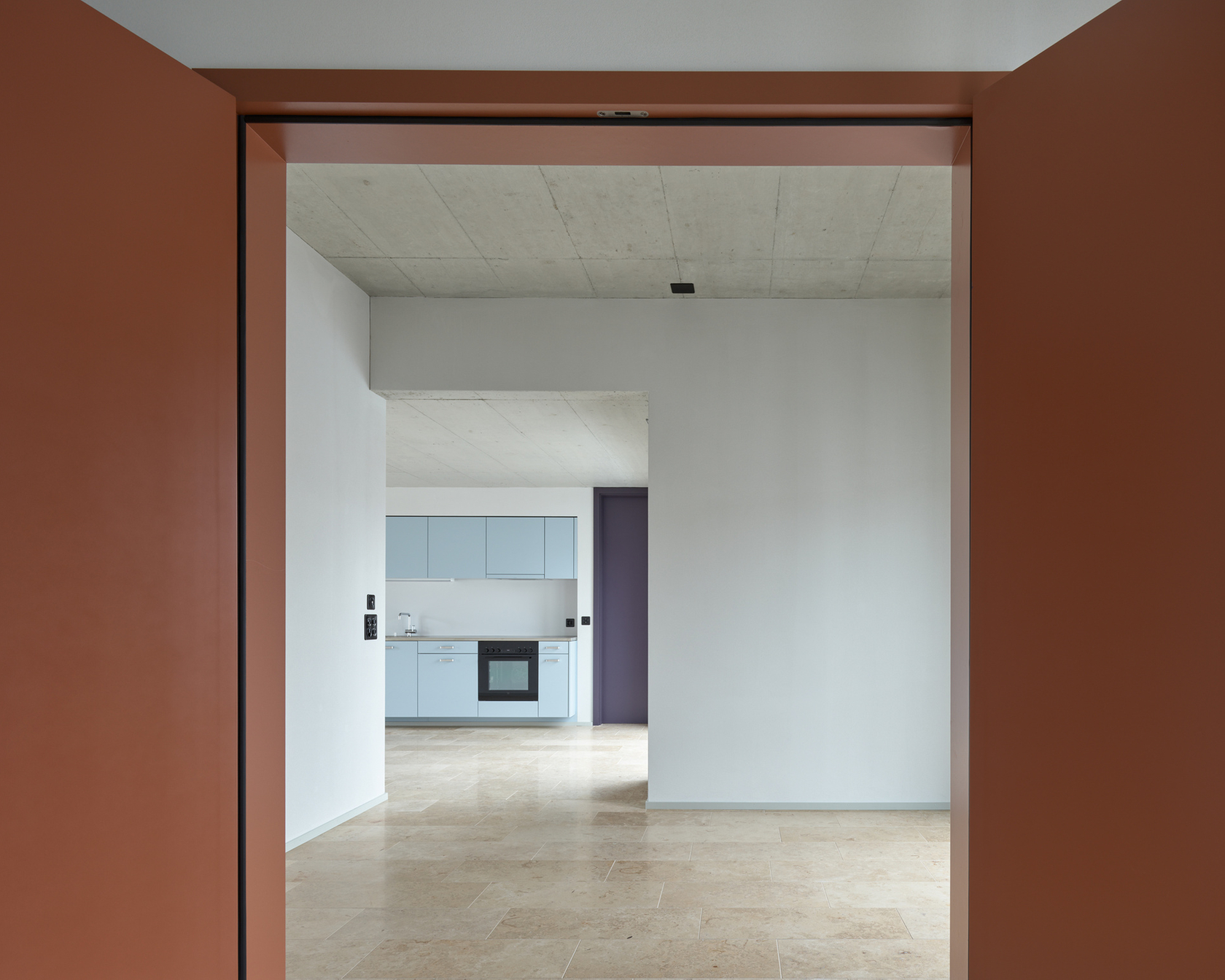
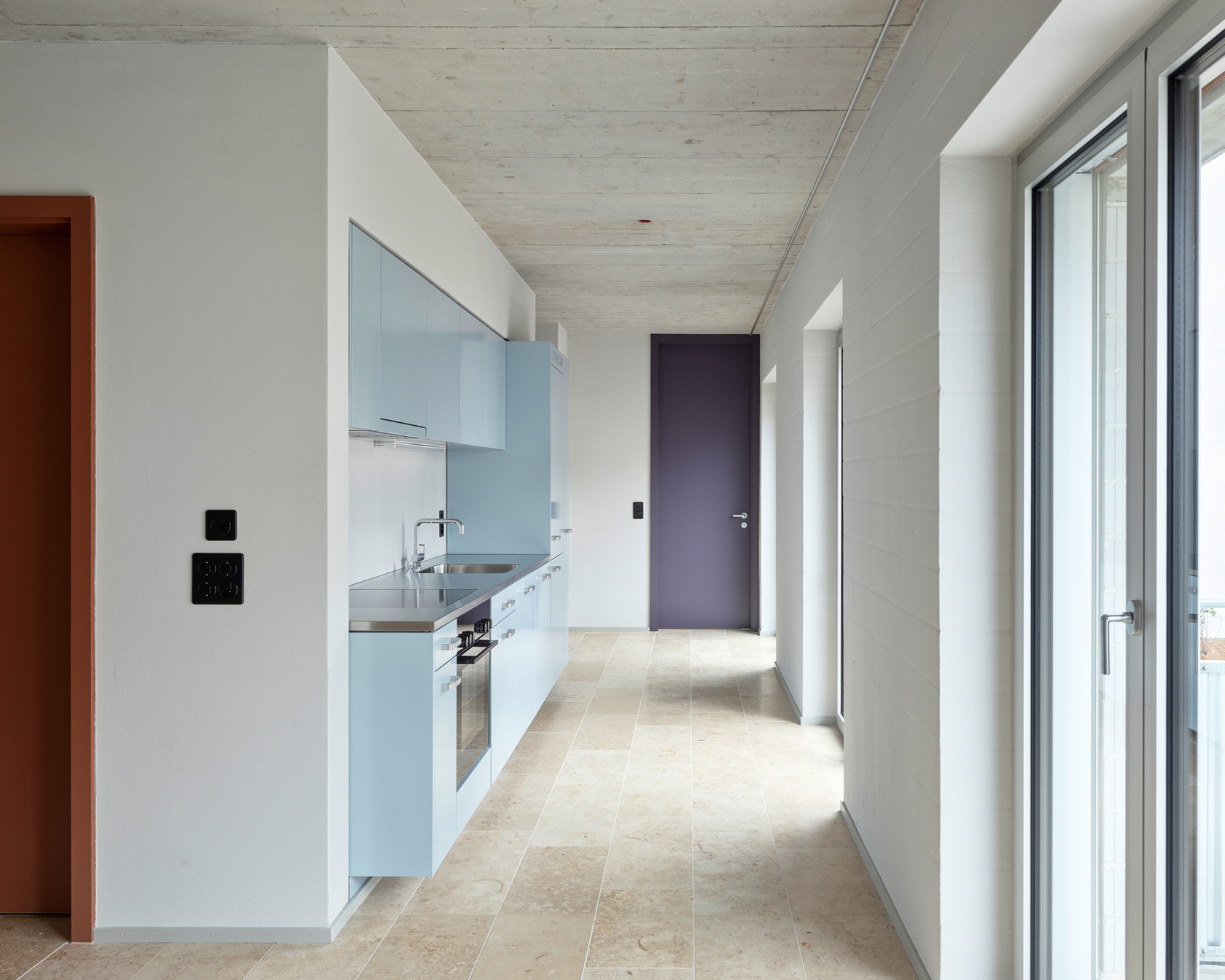
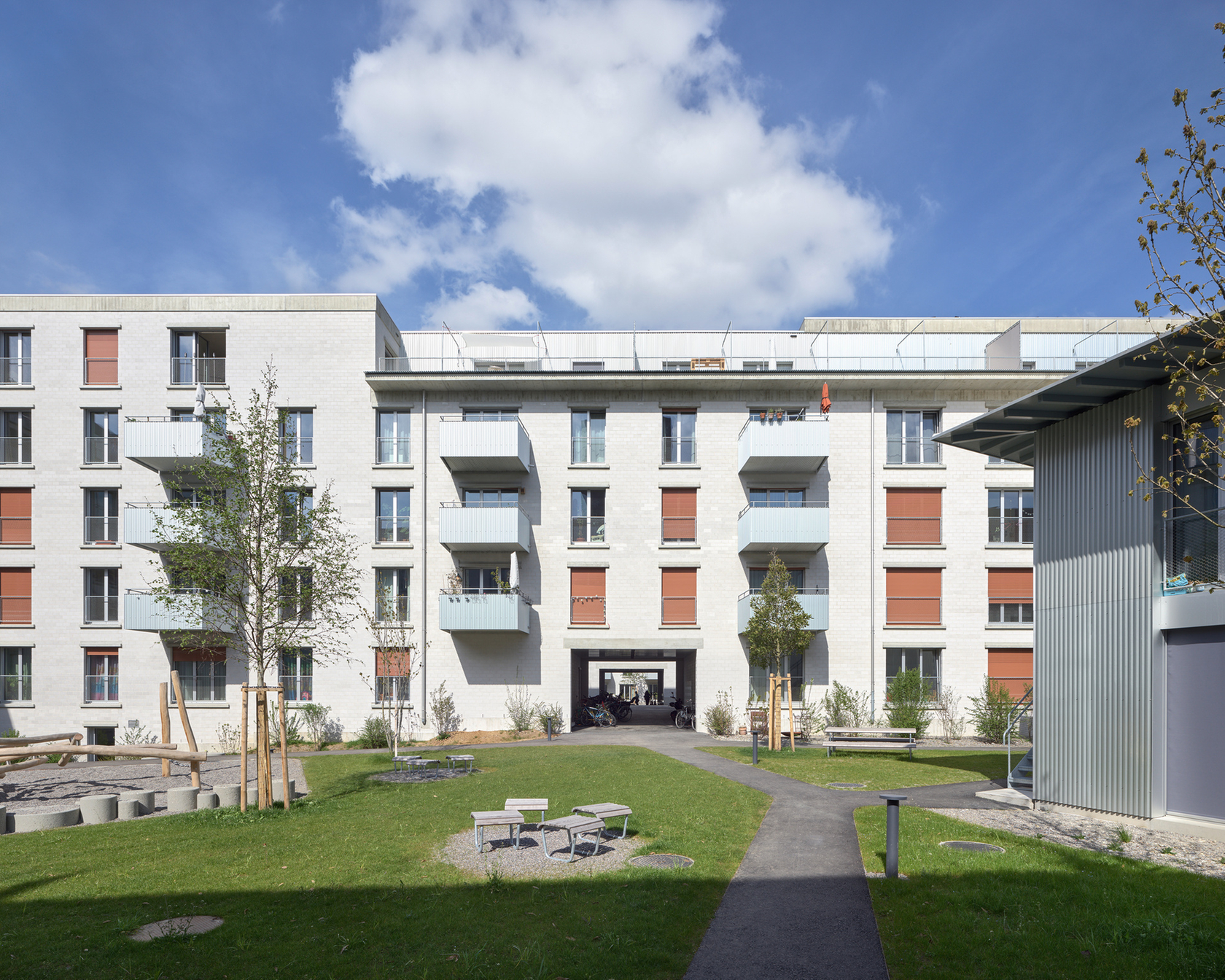
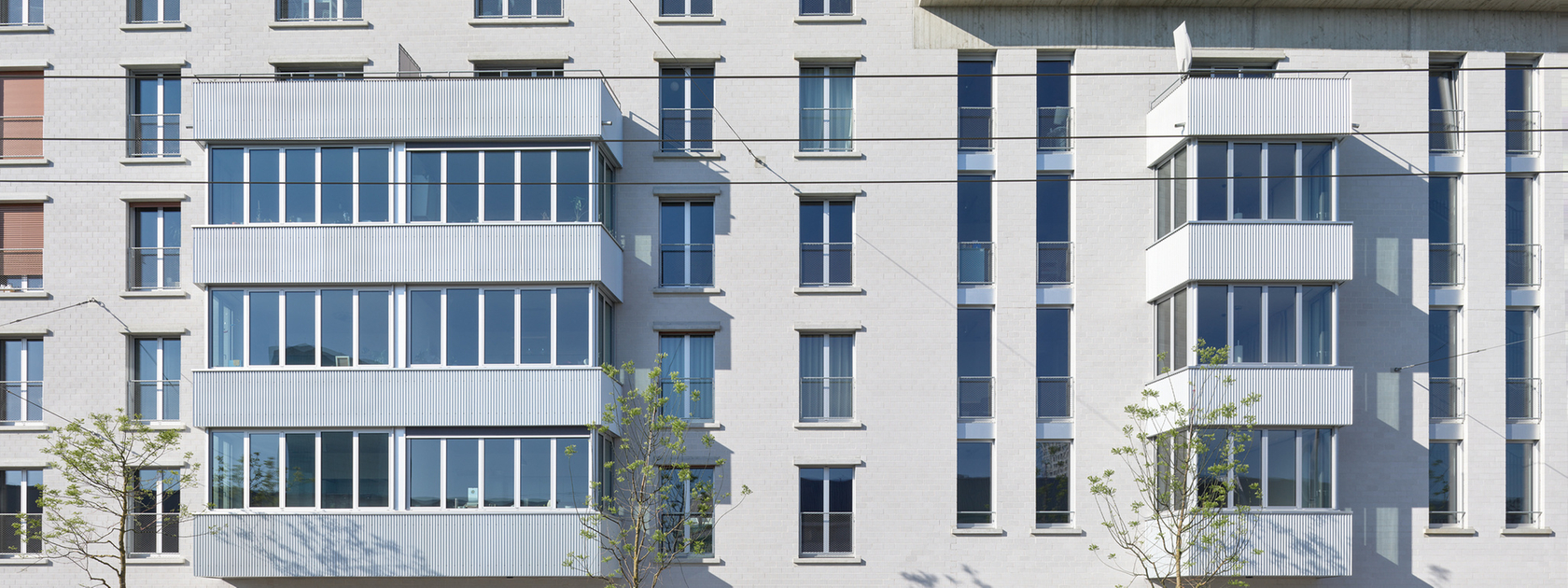
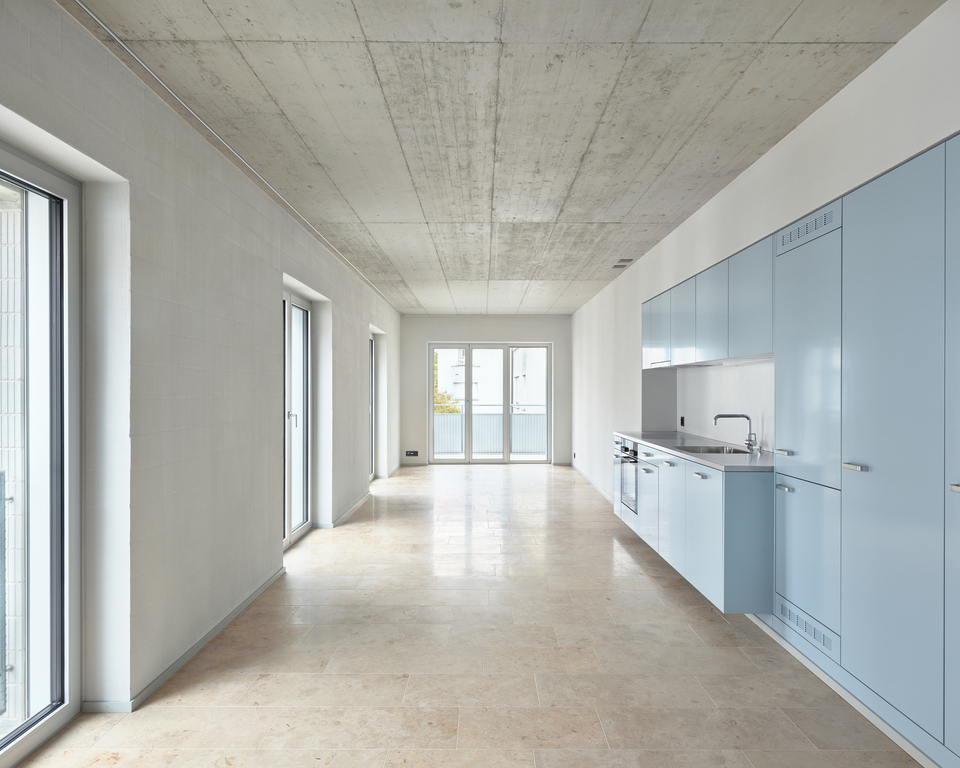
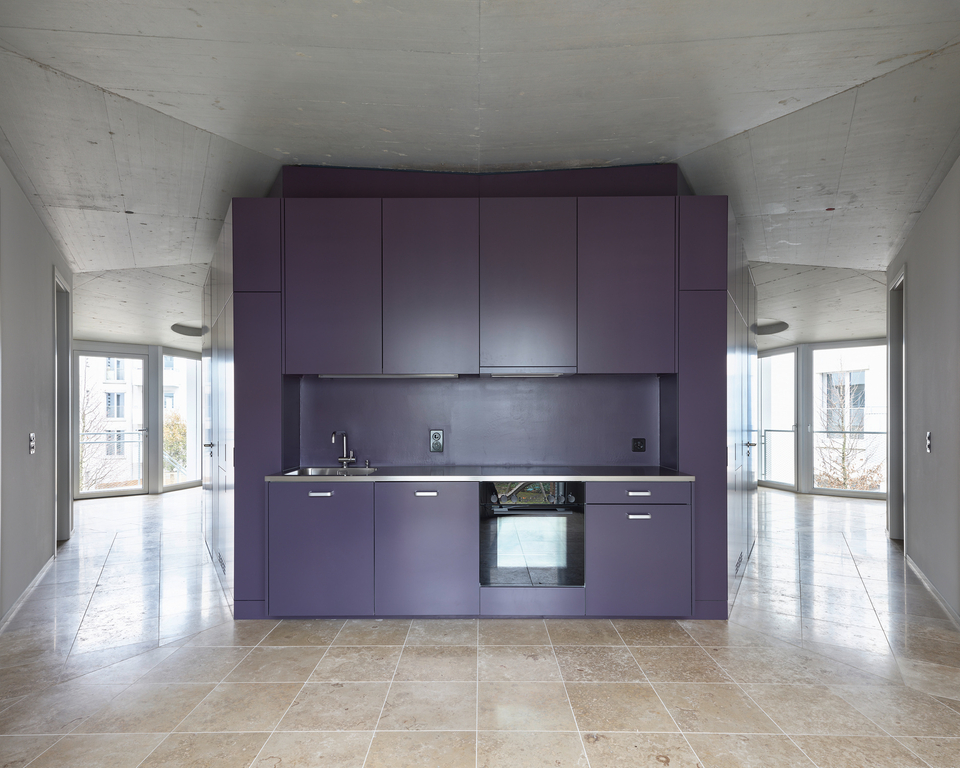
For the Eglistrasse project, architect Martin Schwager of Ken Architekten compared different façade systems over a 100-year period: an insulated render façade versus double-skin masonry using calcium silicate brick. The result was clear. We looked at façades that were 60, 80, almost 100 years old and still performing well. An insulated render façade, by contrast, will eventually need to be completely replaced, together with all the associated junctions, windows and fittings. Those are significant follow-on costs. Inside, the development features natural stone flooring in Jura Yellow, exposed concrete ceilings and calcium silicate internal walls: durable, low-maintenance and consistent.
How did the Eglistrasse project come about?
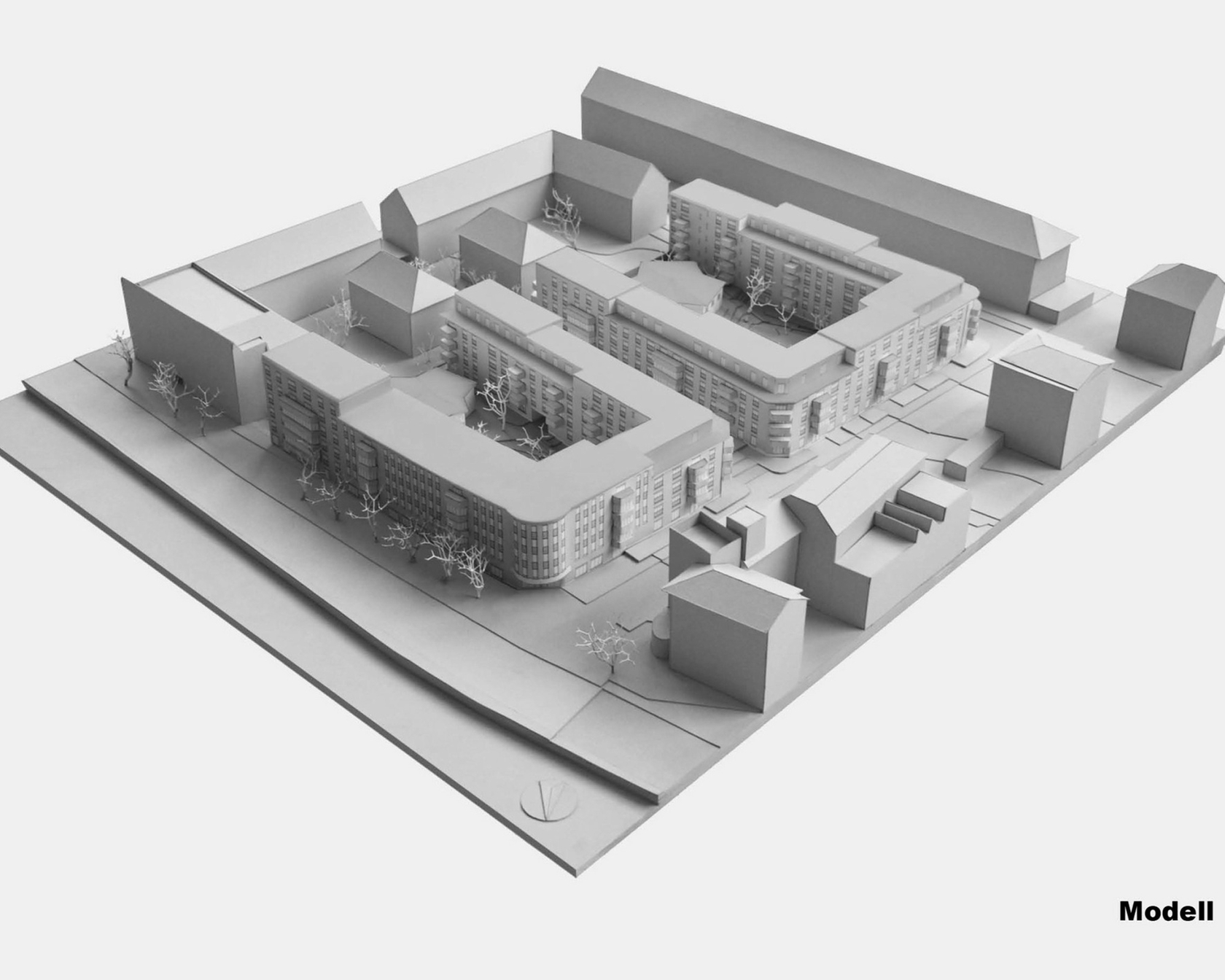
In the Hard district, the Foundation owns several properties dating from the 1930s, comprising more than 500 similar apartments. As part of a long-term renewal strategy, most of these buildings have been refurbished in recent years. Eglistrasse, the final phase, was originally also intended for refurbishment. However, investigations showed that this would have required extensive intervention, not least because of the high noise levels from the heavily trafficked Hohlstrasse. The Foundation therefore decided in 2017 to replace the existing development.
What was ultimately built?
Planning began in August 2014 and construction started in summer 2020. The new development was ready for occupation in February 2023. It comprises four buildings with 148 rental apartments, providing 20% more living space than before and enabling around one hundred additional people to benefit from affordable housing. It also includes the Lighthouse palliative care centre with 42 patient rooms, a kindergarten, and shared accommodation for students of Zurich University of the Arts. Total construction costs amounted to approximately CHF 77 million. What pleases me most is seeing children playing in the courtyards while Lighthouse patients spend time there as well. This meeting point between the beginning and the end of life was very important to us.
Turning to your collaboration with V-ZUG – how did that come about?
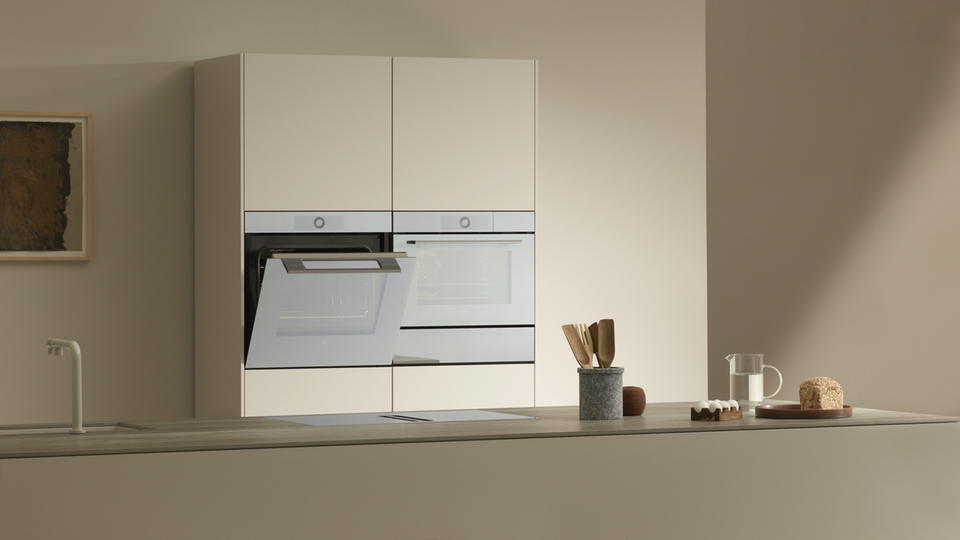
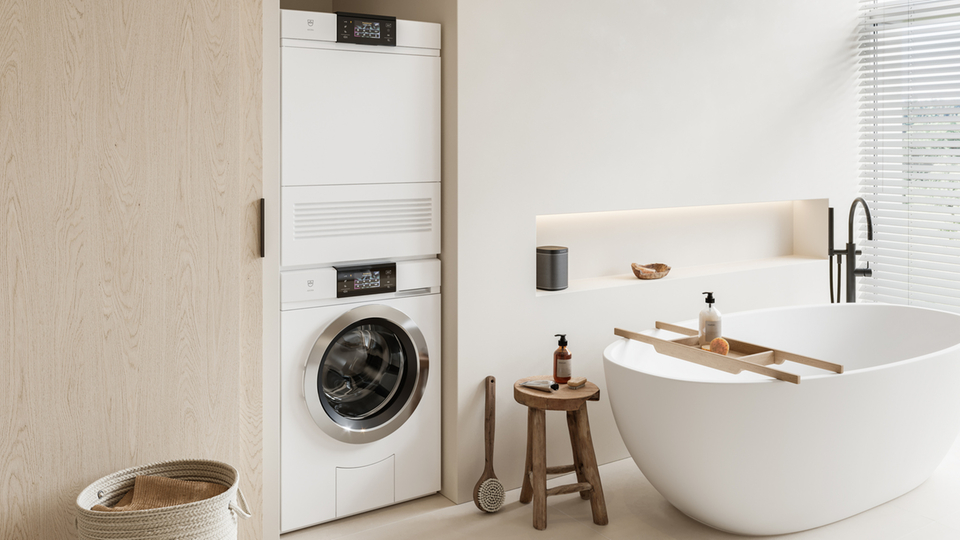
To be honest, it was never really a question for me. From the outset, it was always going to be V-ZUG. Not because of a lengthy evaluation process, but because of conviction.
What was behind that conviction?
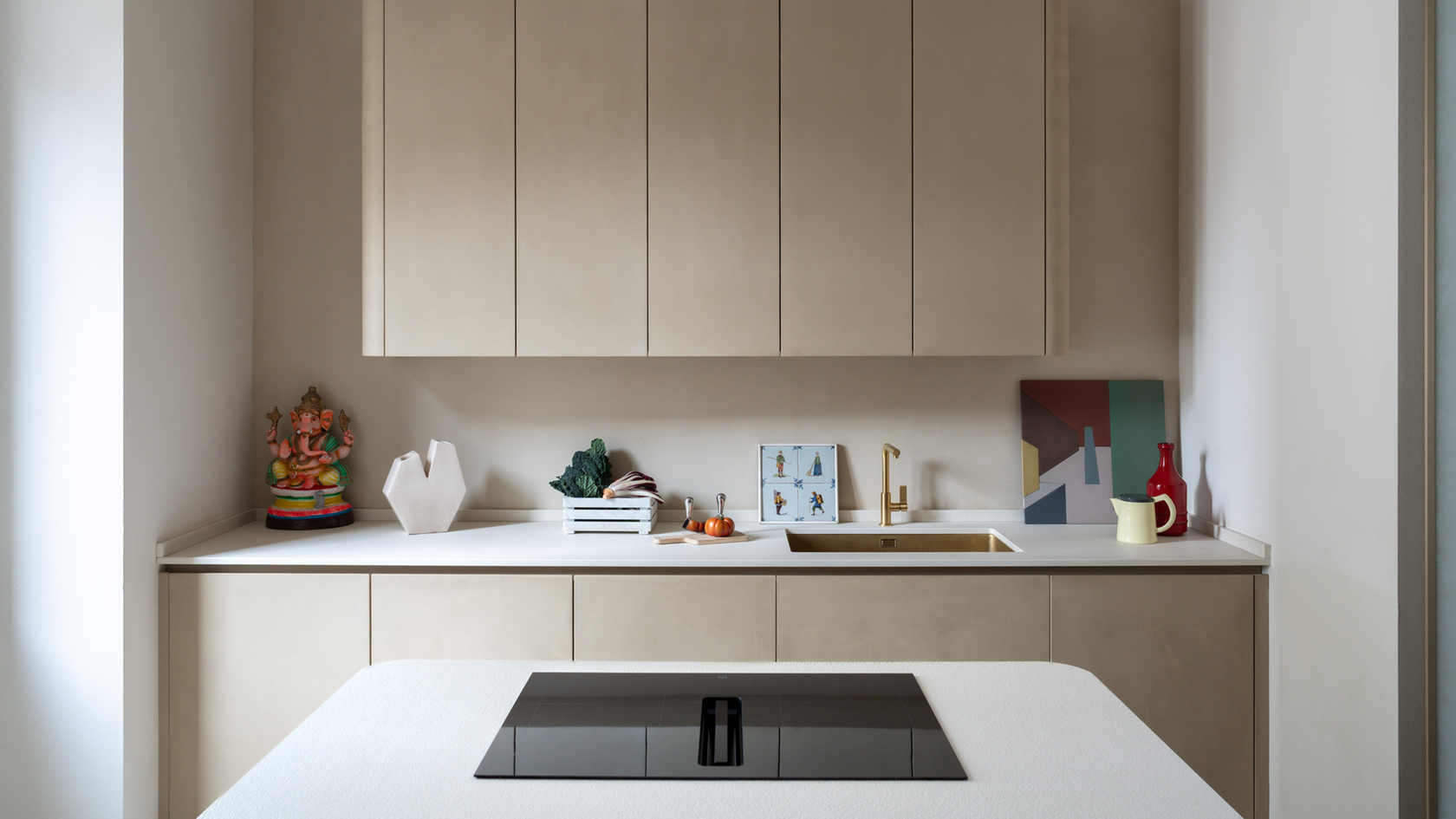
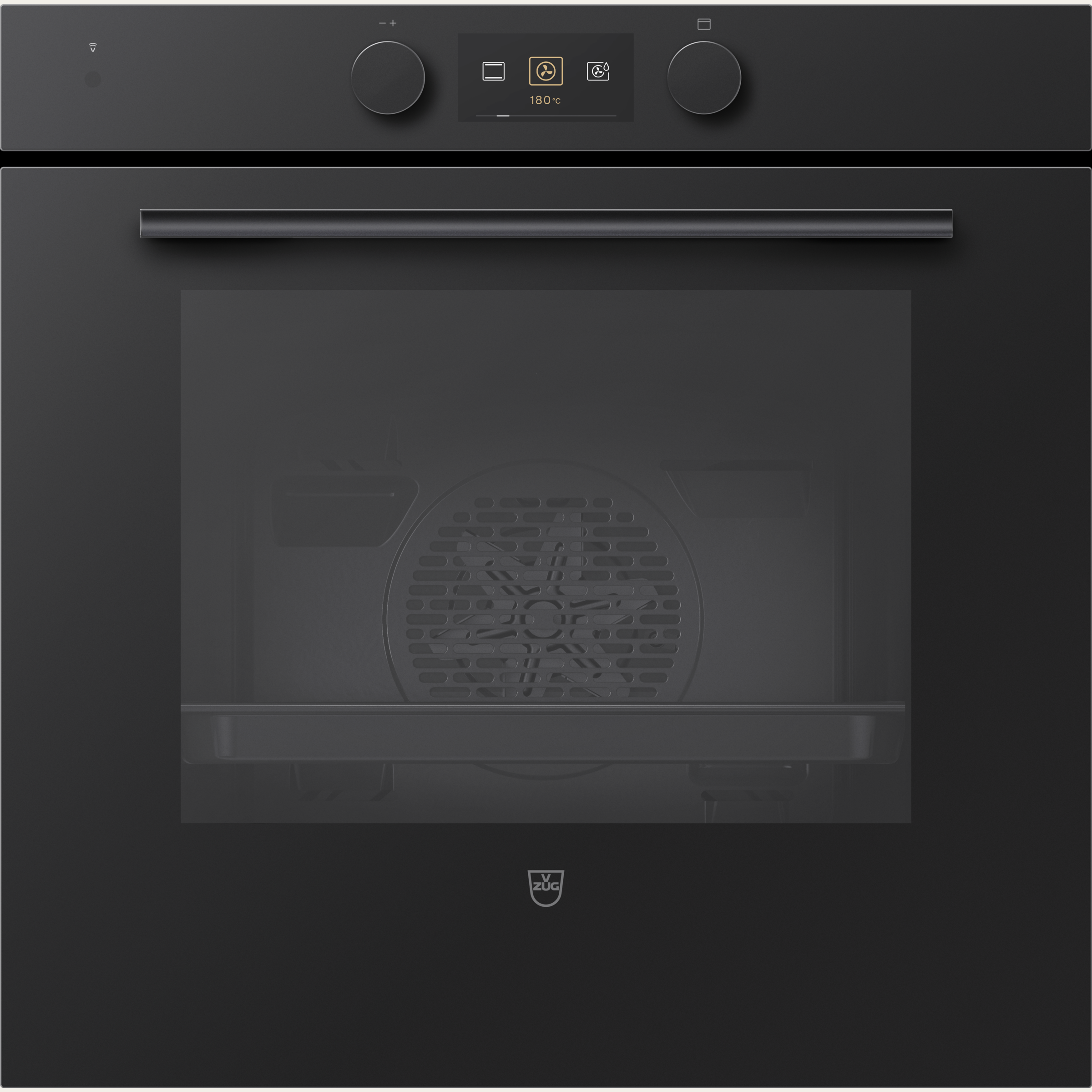
First, V-ZUG manufactures predominantly in Switzerland, which aligns perfectly with our values and our mission. Second, longevity. We expect kitchens to last around 50 years. That is not a target you achieve with just any appliance. Third, and this really reinforced my view, V-ZUG seeks to return appliances into the circular economy, whether as complete units or as components. Sustainable and low-maintenance – those principles apply just as much to an appliance as to a building.