

Your studio is just below your home. What kind of space does it occupy?
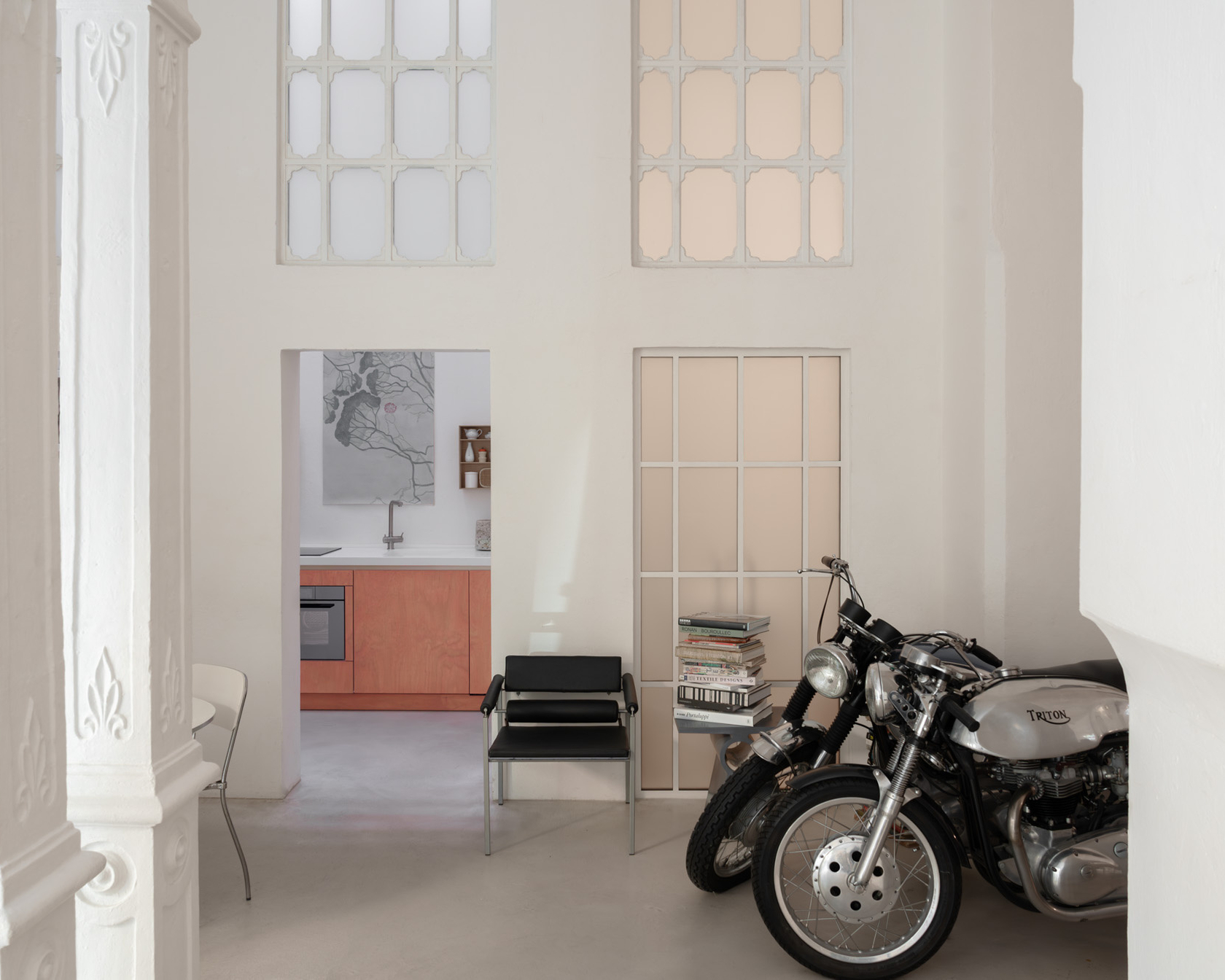
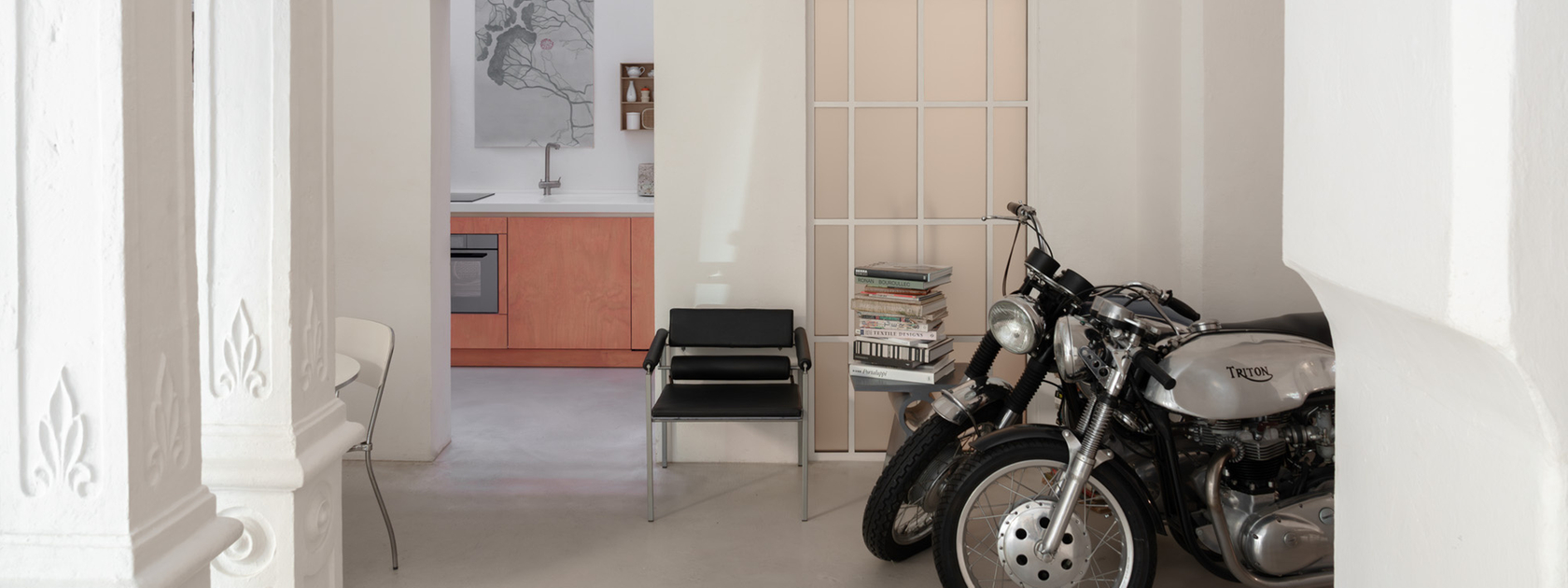
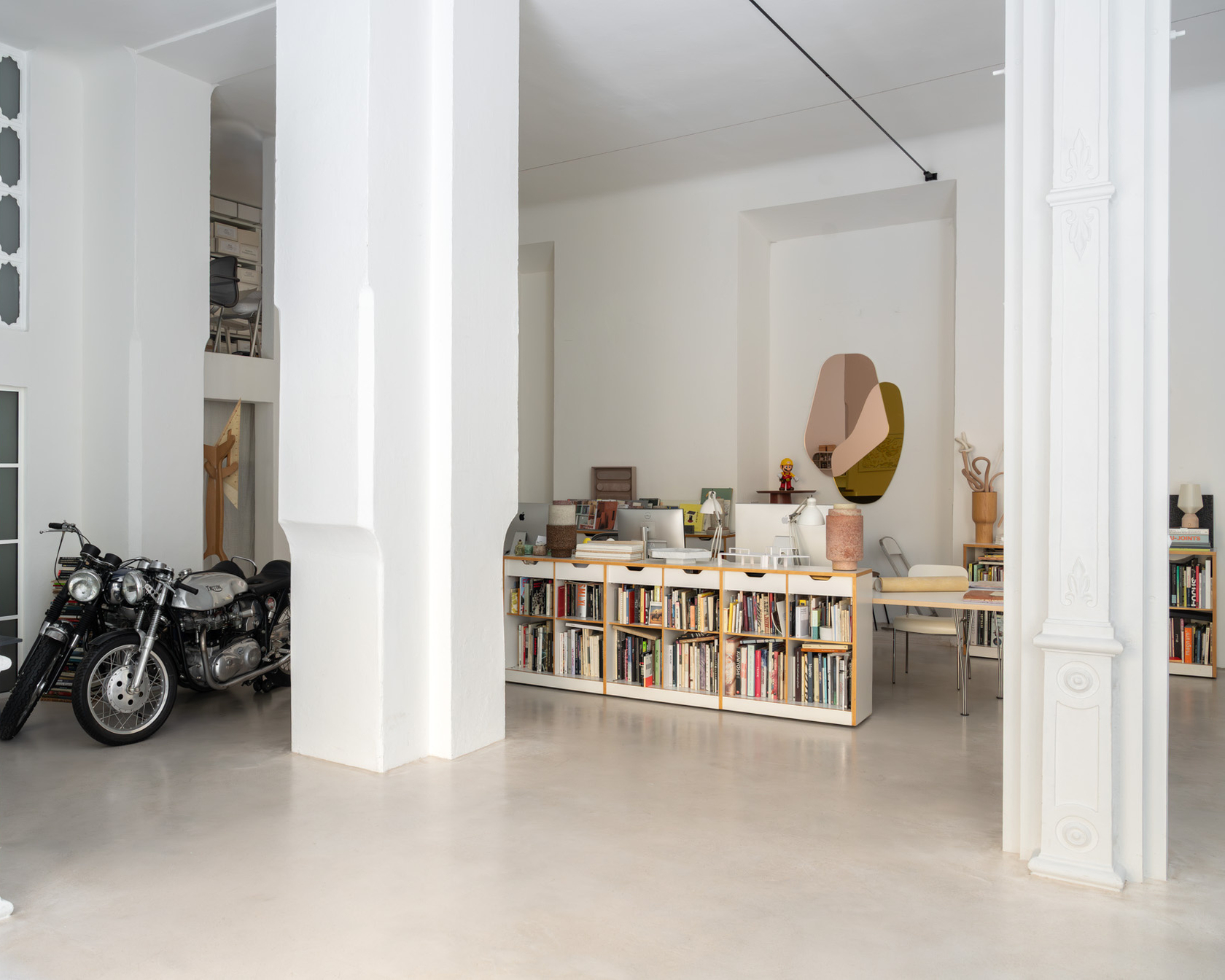
It used to be an old unused storage space, I know that in the nineteenth century it served as a horse stable. It is a beautiful space, four metres high, with large cast-iron columns and arches that I preserved during the renovation. I painted everything white; it helps creativity and keeps the mind open to new projects.
How did you design the studio to encourage both individual work and moments of sharing?
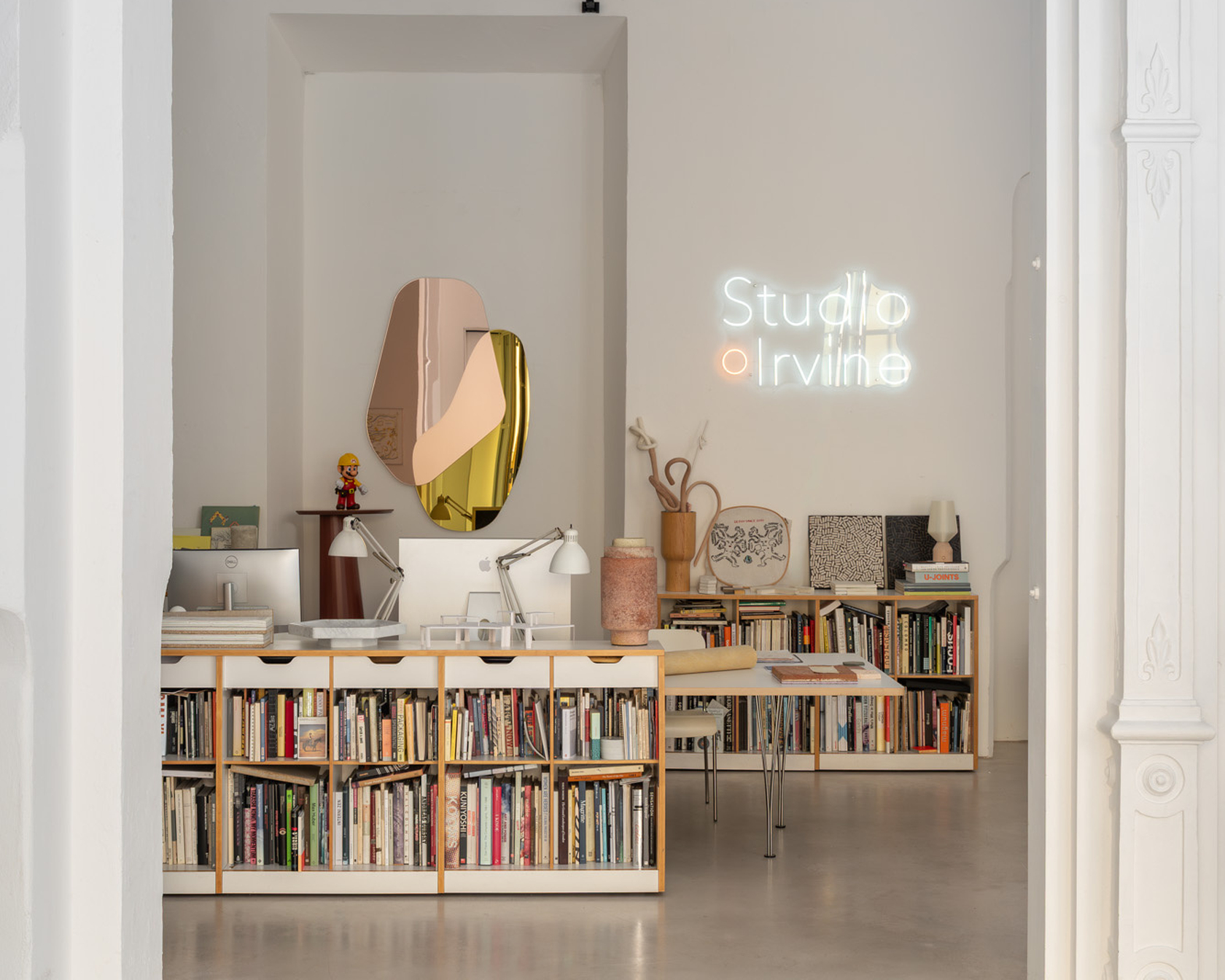
There are of course desks with computers, although my collaborators often bring their own laptops and work from the sofa. Then there is another space, almost like a living room, very informal. There used to be a large table there, but I removed it and now it is empty, I work there, placing my drawings directly on the floor. There is no meeting room: if I’m speaking with someone everyone can hear. It has always been like this: sharing, and being aware of what is happening around you, is essential for me.
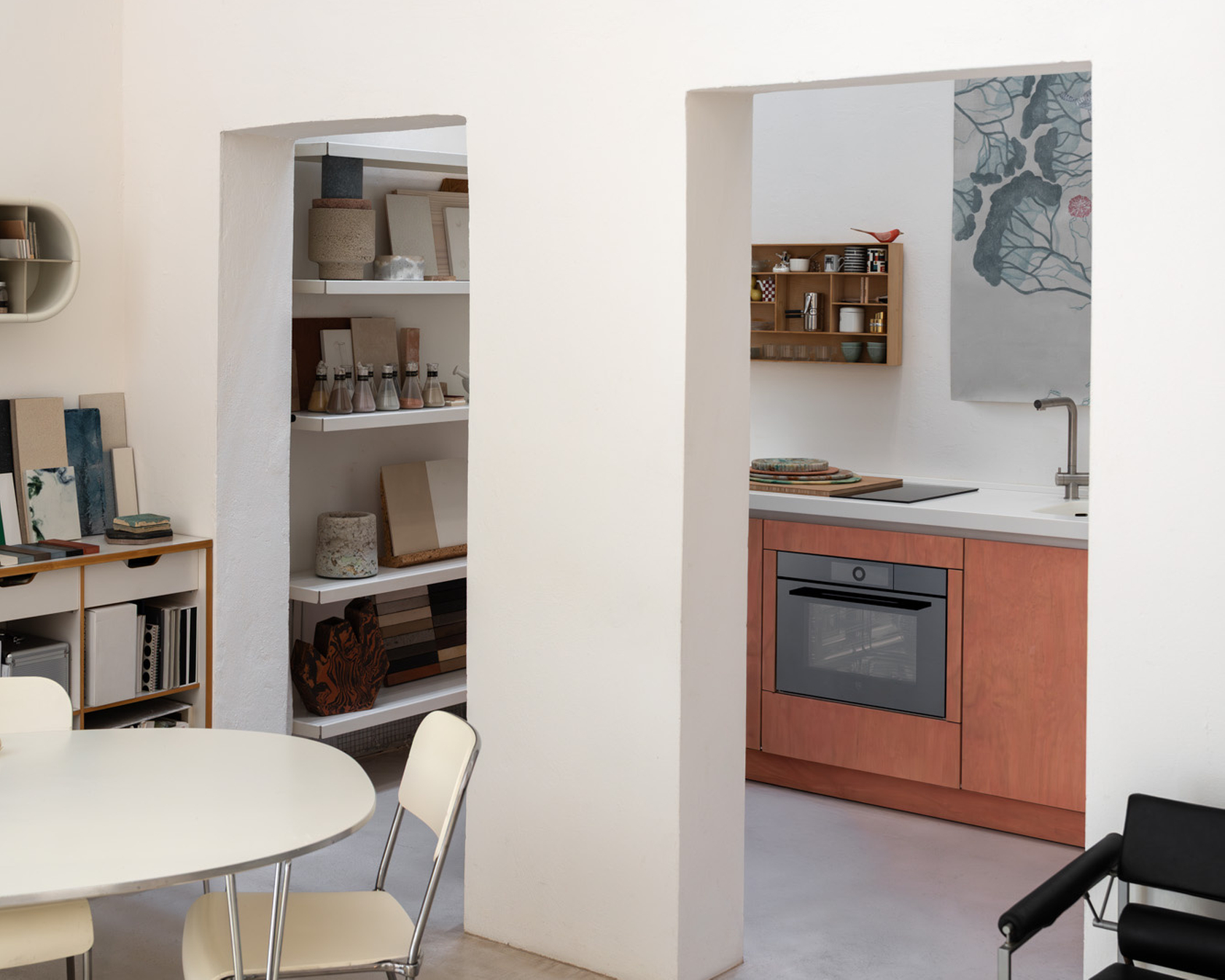
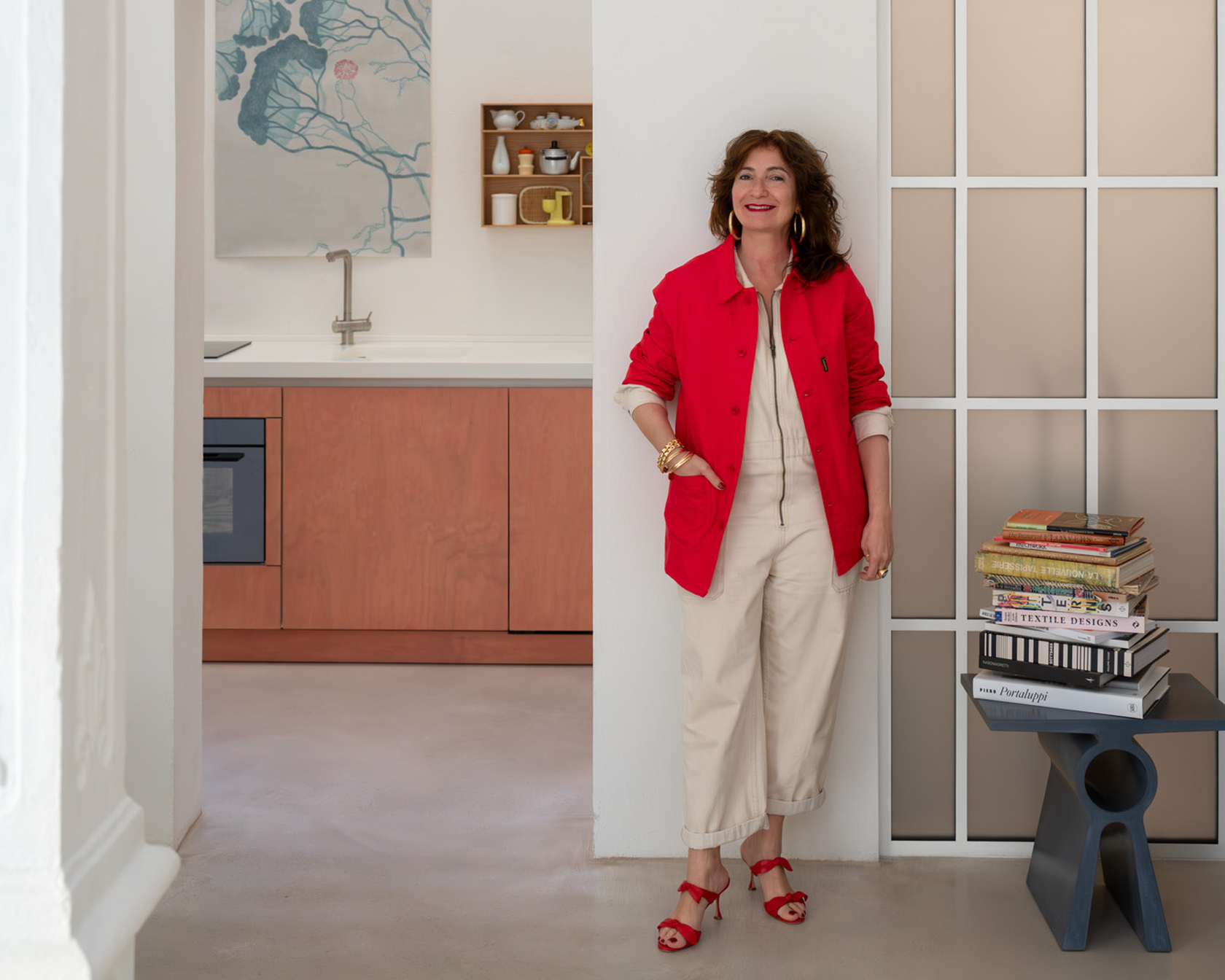
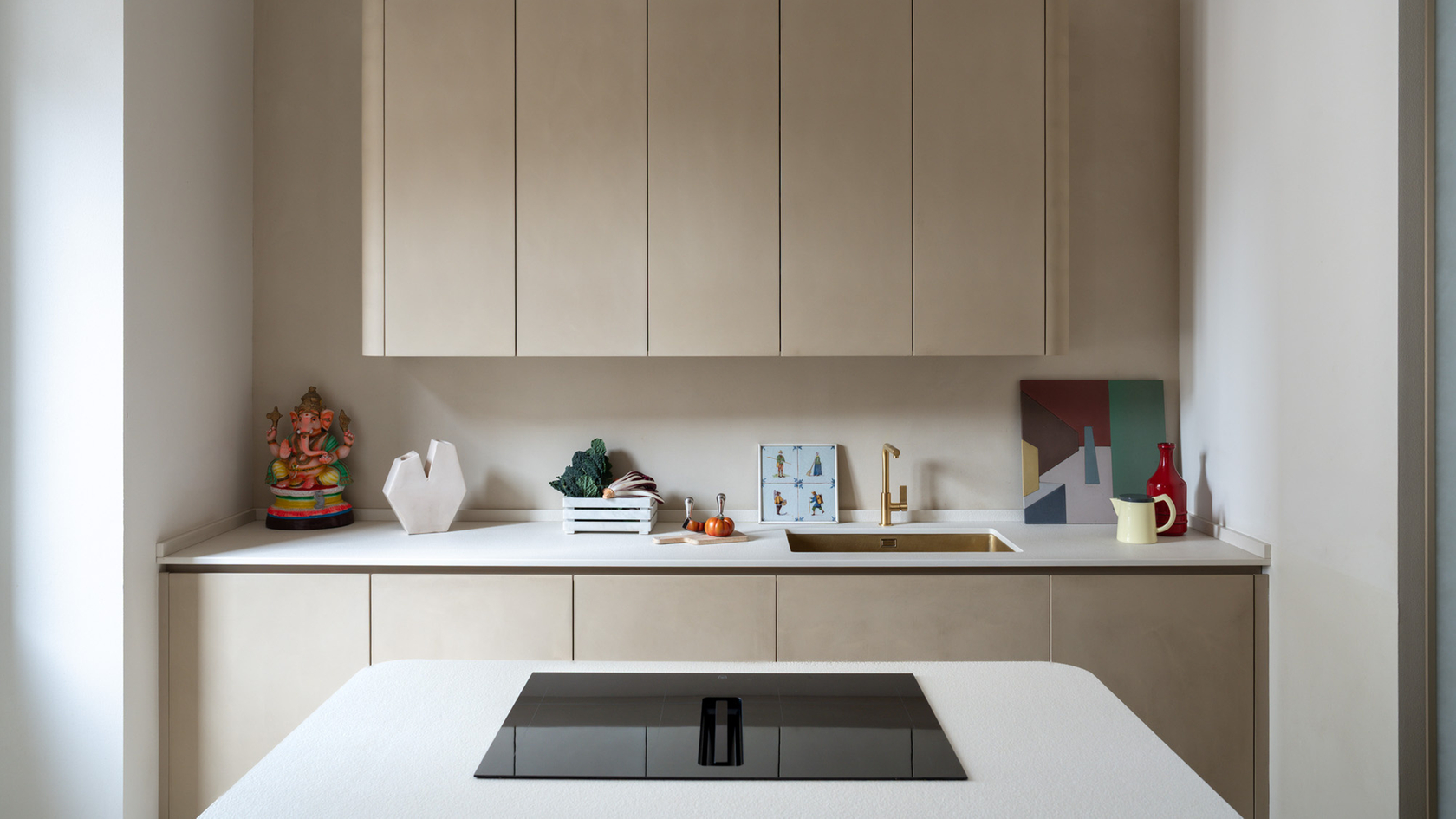
Why did you include a kitchen in a workspace?
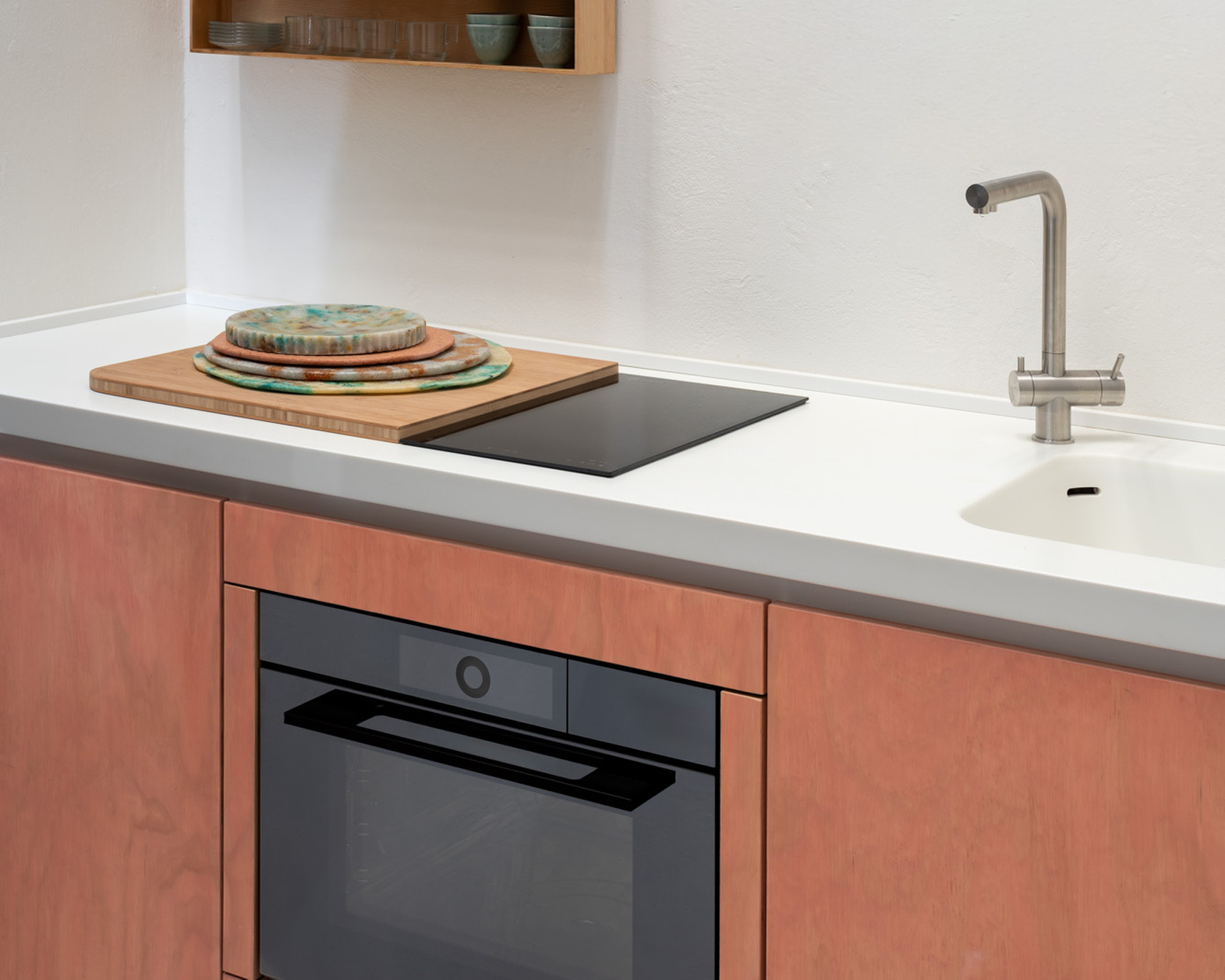
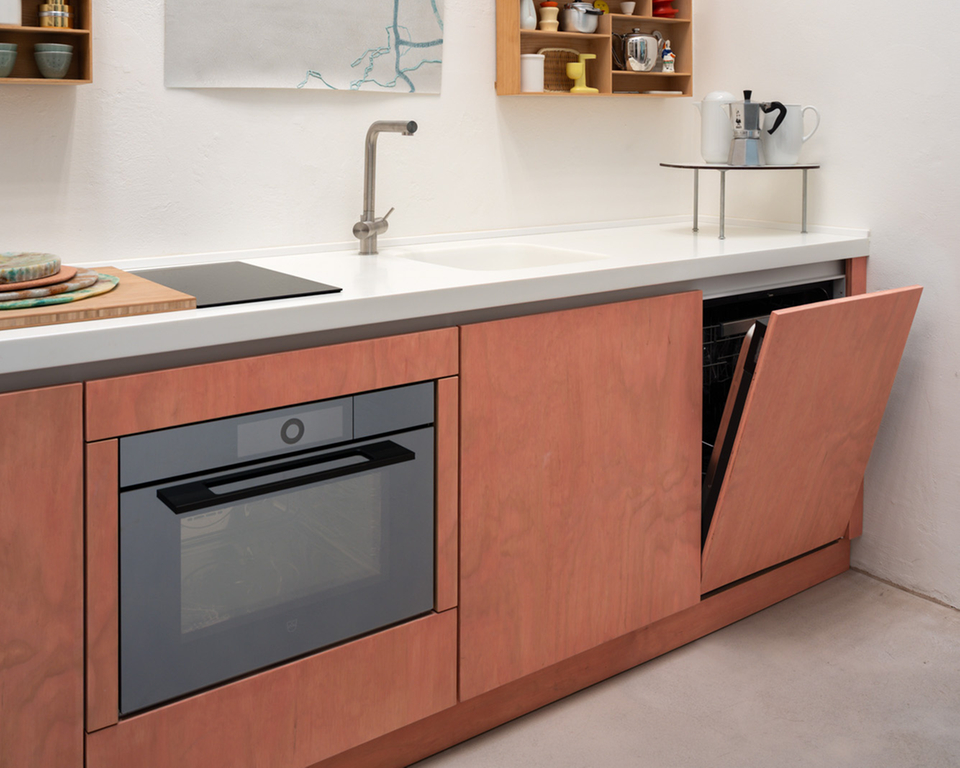
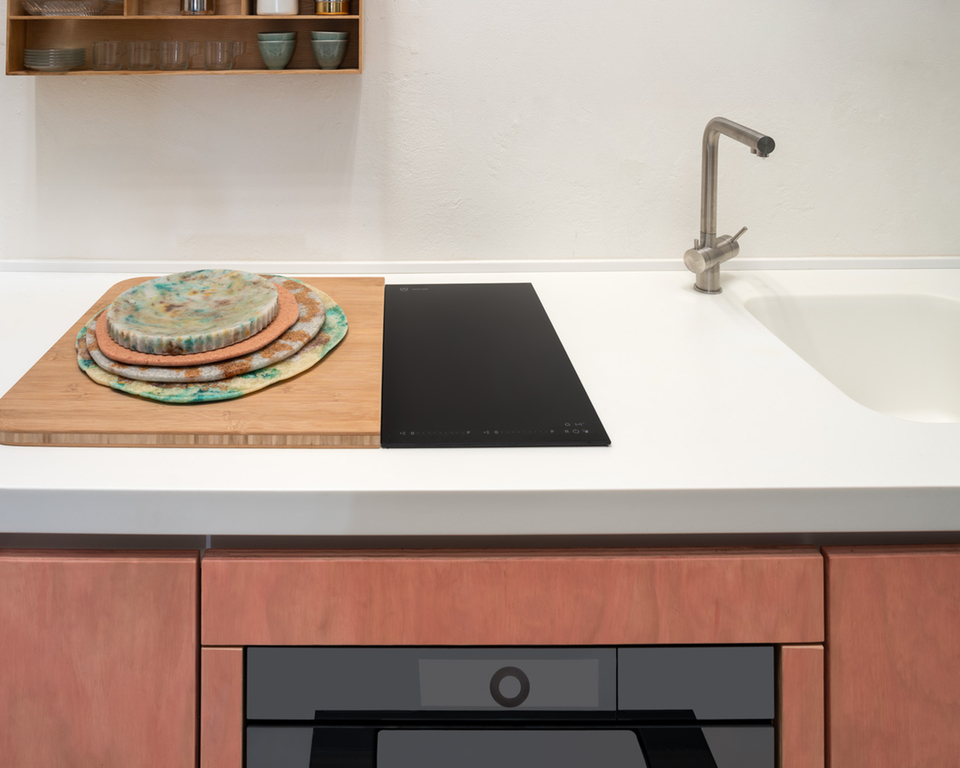
For several reasons. The first is that one of our rituals is drinking coffee together. I have a V-ZUG induction cooktop, and when we make coffee with the moka pot the studio fills with its wonderful aroma. We are also close to a fantastic pastry shop, so every morning the smell of freshly baked brioche drifts into the studio. It’s a very Italian way to start the day. And my collaborators often have lunch in the studio, so they need a place to warm their food. Then there are the events we host, so we have a wine fridge and a dishwasher for glassware.