Konstantin Grcic: In search of the essential | V-ZUG Switzerland

Konstantin Grcic: In search of the essential

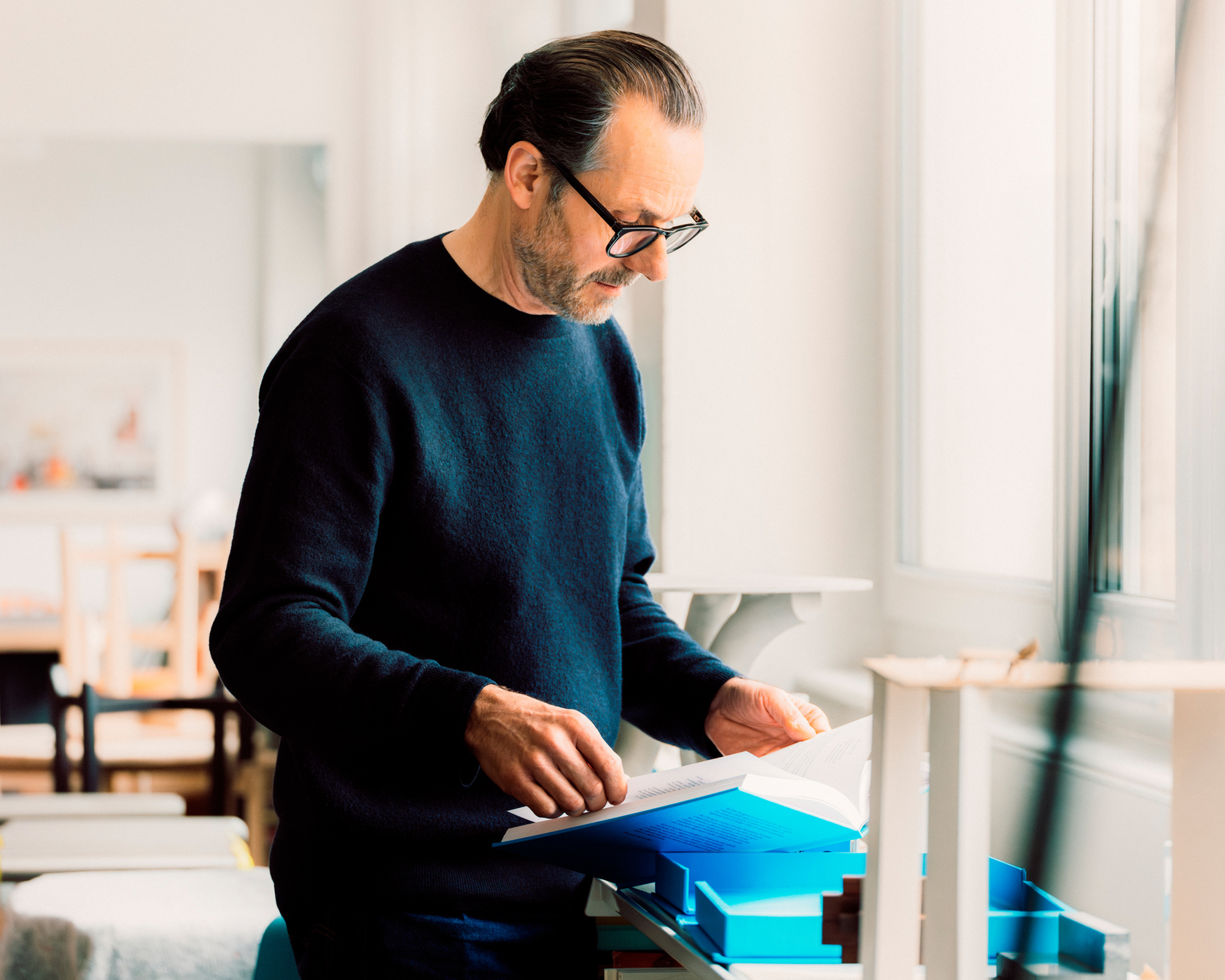
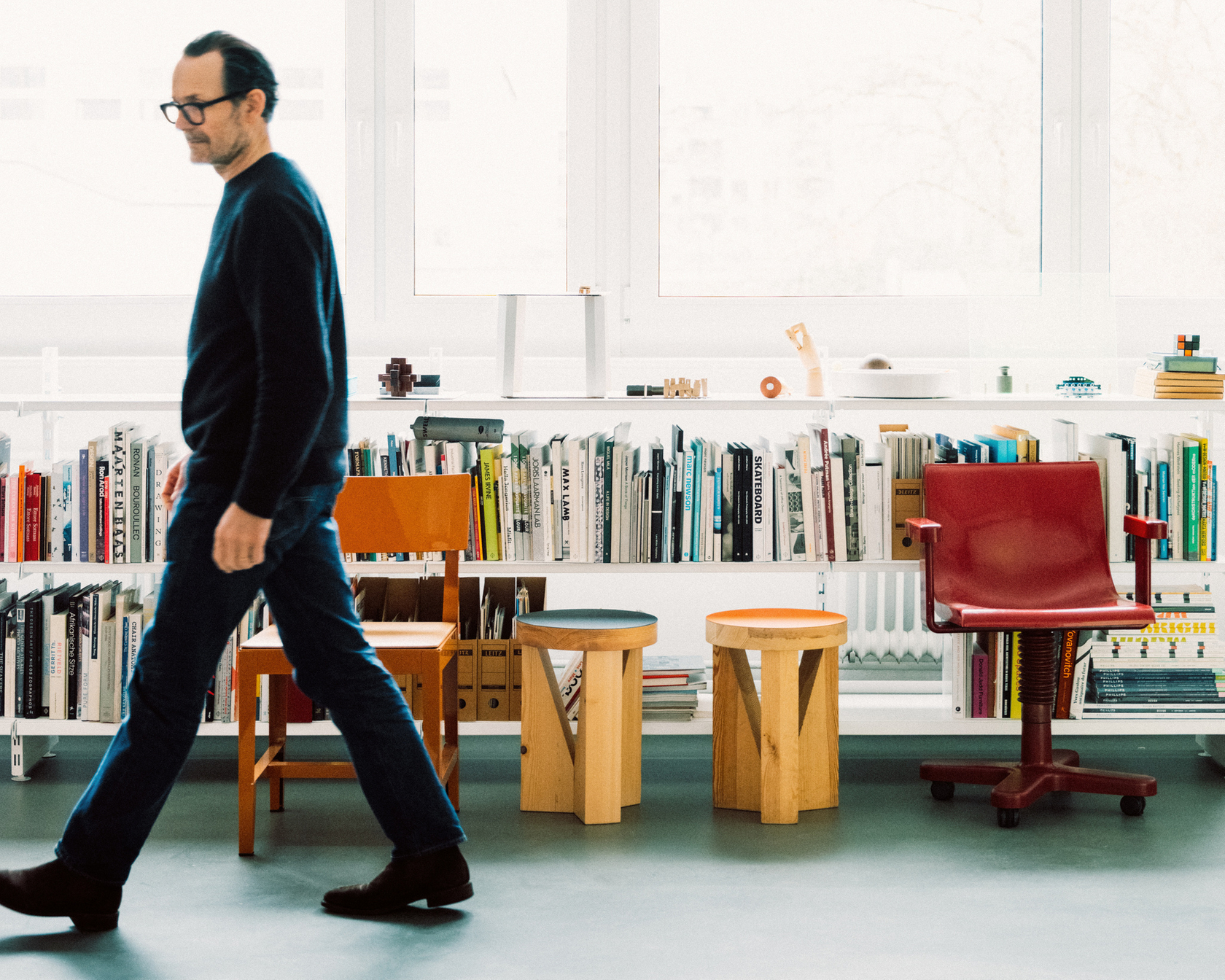
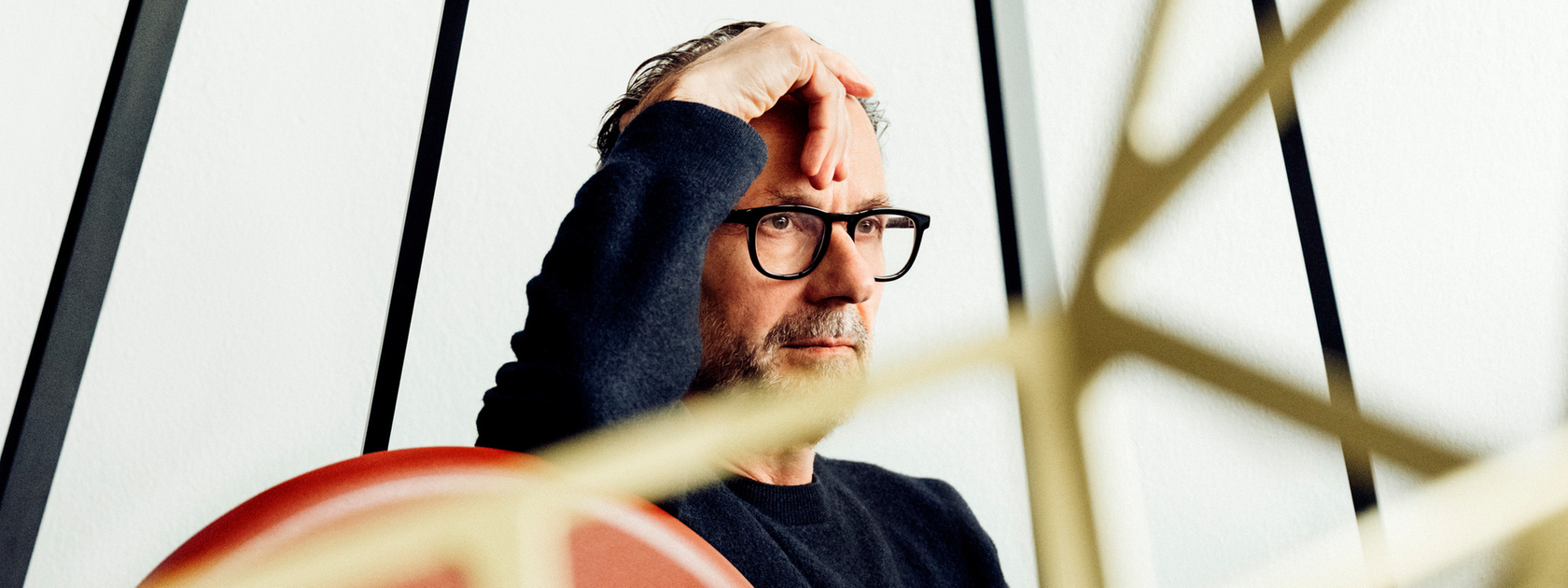
What if we stopped designing for a second and just… thought? Berlin-based German designer Konstantin Grcic has never been shy about questioning the raison d’être of the discipline itself. With deep respect for industrial production, he designs furniture and lights for a roster of international clients, and, since last year, for his own brand, 25KG. Here, he shares why, after 35 years of running his studio, he finally took the plunge.

We live in an era of rapid change. At the same time, we feel threatened by multiple crises. What role can designers play in today’s overwhelming world?

Designers are not gods. We can not save the world or even change the world for the better. However, working alongside other experts, we can creatively translate analysis and decisions into practice. We naturally have a certain authority in this process, which gives us a strong voice. In a world of complex problems, we must be the ones to uphold principles. There are no clear-cut solutions, but we can try to steer things in the right direction.

Speaking of principles, what would be principles of responsible design you apply?

Responsibility is the right term. I think responsibility starts with questioning any project, asking ourselves, “Do we need this?” The key principle is to be as efficient and smart as possible with resources, including materials, energy and human resources. That sounds kind of obvious. However, enforcing these principles throughout the design process is not always easy due to the complexity of specific projects. We must consider many factors and compromise is inevitable. Evaluating these compromises and finding the right balance has become part of our job.

Since the founding of your studio, how has your perspective on the role of a designer evolved?

What has happened in the last 35 years is more than just evolution. The transition from analogue drawing to digital modelling has made data an interface. I can now share my data not only with companies or engineers, but also directly with manufacturing. As designers we have been empowered, but the expectations are extremely high: we are responsible for coming up with a strategy, a concept, the design, the engineering data, the visualisation and communication. And while we enjoy the privilege of these powers, we lose serendipity. I see a real danger of losing this other side of creativity: the side that is neither efficient nor professional, but which allows for chance, intuition and poetry. All the intangibles. The slowness of certain processes helped us to think outside the box and make discoveries along the way. Let’s take model-making as an example: now we simply send data from our computer to a 3D printer, and then three hours later, we have the model and we’re happy. I remember when we used to build models by hand – it took about three hours. During that time something would happen. A kind of friction and feedback between my mind and hands and I’d find myself thinking, “This feels more complicated than I thought. Let’s do it differently.”
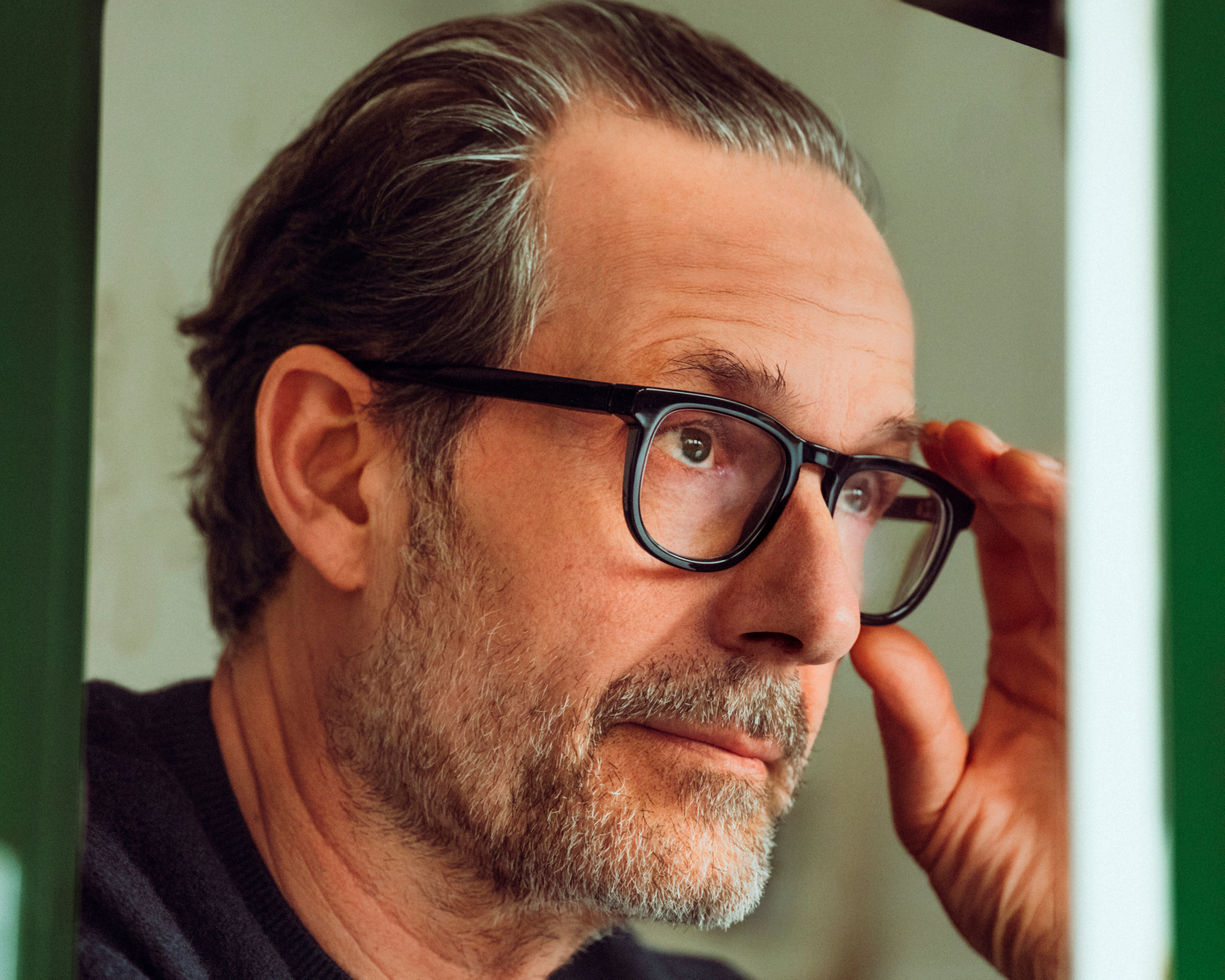
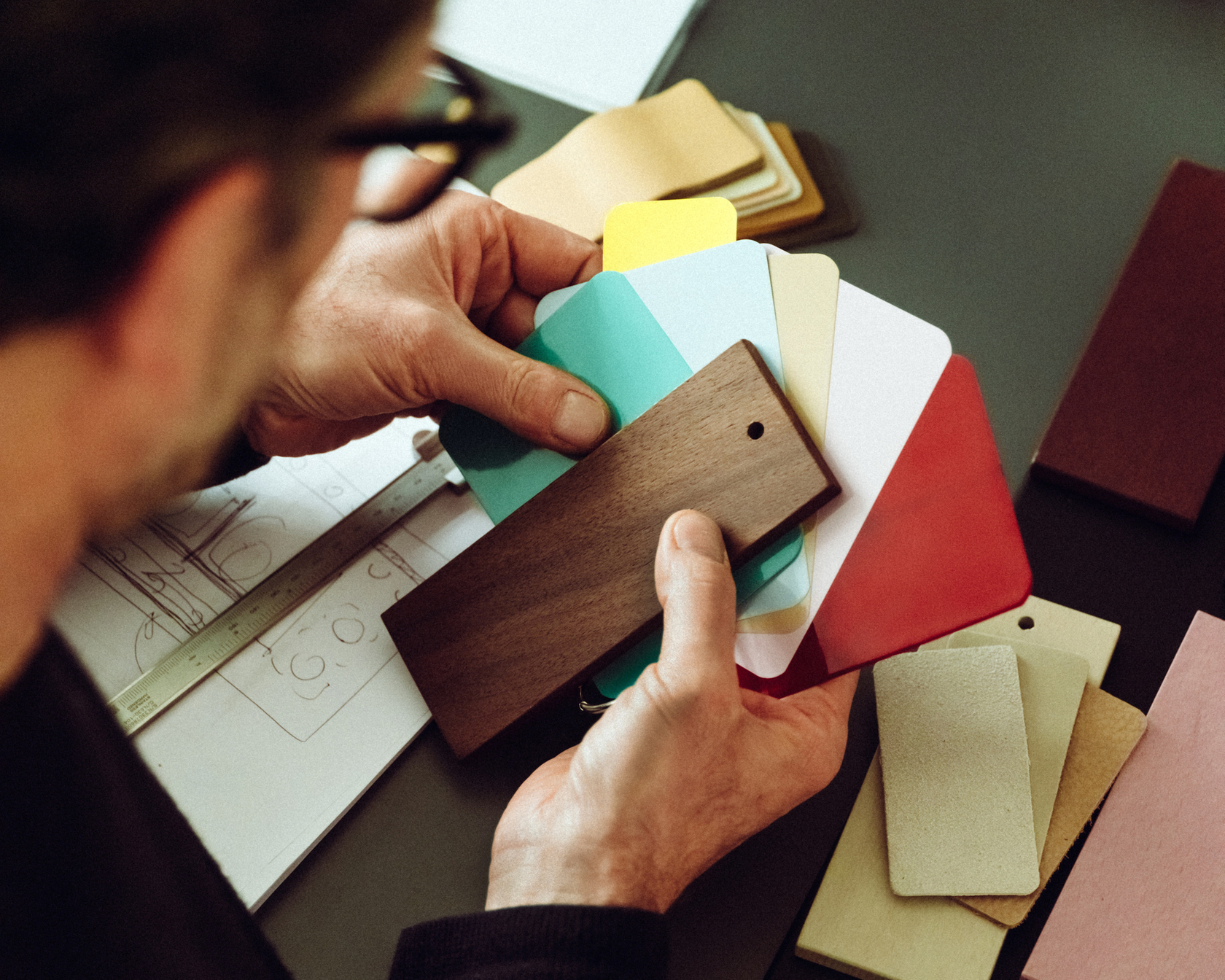
“I see a real danger of losing the other side of creativity: the side that is neither efficient nor professional, but which allows for chance, intuition and poetry. All of those soft factors.”

Don’t you build paper models anymore?

Given how streamlined our processes have become, I sometimes actively encourage it. We have to find gaps in order to do it. We mustn’t allow efficiency and speed to overrule the softer aspects of creativity.

How important are new technologies?

New technologies have always been a driving force. I’m generally interested in them, but I am not an early adopter. Whenever we have access to new technologies, it’s fascinating to work with them, but it doesn’t mean good design can’t be achieved with basic means. Simplicity is an important quality. Simplicity in the sense of achieving a lot with very little. It’s something that I still strongly believe in.

How do you identify what’s essential when you receive a brief?

The first important step in the process is to identify what is essential. Asking ourselves, “Is there real urgency?” And, like I said before, the answer might not be enough to justify pursuing the project in the first place. It is a way of understanding and analysing the entire context and conditions of a project. What is it? Who are we doing it with and for whom? Can the work lead to something meaningful? If the answer is yes, this gives the project real momentum.

What are the strengths of industrial production?

Working with industry enables a much deeper exploration of a project. The time span is longer, the teams are bigger and the range of skills and expertise is broader. The development phase allows time to experiment, make mistakes and learn. You can rework a project over and over. I think this is how my brain works. I don’t come up with the right solution immediately. Originally, I was trained as a craftsman. In that role, you more or less have to get things right the first time. However, I prefer the slower, more winding process of trying things out and improving them step by step. Besides, I just love serial production. Seeing things being produced in large quantities gives me immense pleasure.

Last year you started your own brand, 25KG. Why did you take this step, and why now?

Until five, six or even seven years ago, I could never have imagined myself doing it. Something changed in the routine of my own practice. But also because of the digital tools we spoke about. They make it much easier to set up your own label, production, and communication channels. What is important is that my label is not a critique of the industry as it is. I still work within the industry. That’s my main business and I love it. After all, 25KG products are designed for industrial production. However, with the streamlining we discussed, I found myself lacking the opportunity to contribute to what I call cultural production. I missed bringing ideas forward and putting designs into the debate – not just as renderings or statements, but as real things. 25KG is a small operation and I get a lot of joy out of it. It feeds energy back into the studio.

You refer to the 25KG products as things.

We have three things in the market now and a fourth will be launched on the occasion of Milan Design Week. They’re called things because that’s what they are. They are physical objects, and all of them have an element of abstraction. So, I don’t want to give them names like Billy or Bob, because that would assign them a character. And that would create an identity or image for them. A thing is a thing. Let’s find out what kind of thing it is and what it can do.

About Konstantin Grcic

Konstantin Grcic is a Berlin-based designer renowned for a rigorous, industrial aesthetic and a culture-conscious approach. With over three decades of experience, he has collaborated with leading brands from the furniture industry and recently launched his own brand, 25KG. Grcic regularly curates and designs exhibitions.

What qualities does a design need to have to become a thing?

First of all, it has to be something that none of my commercial clients would want to or be able to produce. With the possible exception of THING_03, they are all quite raw. I find this quality important but it’s difficult to negotiate with commercial clients. This is because ‘raw’ is hard to define and hard to control and it isn’t commercially viable yet. I think the raw nature of things is, above all, beautiful. And by allowing things to be raw, you create some freedom.

You often explore sport as a field for design. What is it about this intersection that fascinates you?

As a kid I spent hours and hours reading catalogues of sports equipment. It would be true to say that they were my first design teachers. This was completely unconscious and at the time I had no idea that I would want to become a designer. I was drawn to the beauty of the objects and the technology that is inherent in them. Technology that is in sync with performance and the shape. I also love the joy that comes with it. In this world, you associate sports equipment with play. For example, think of all the amazing sneakers people wear. Super high-tech construction, the colours, the style. But if you look at the same people’s homes, you’ll probably find that their chairs aren’t on the same level as their shoes. Instead, they’d probably be quite traditional. I think in sports equipment design is accepted as expressive and forward-looking, whereas furniture is conservative.

What kind of brief would you like to get that you haven’t gotten yet?

For so many years I have been saying that I would love to design a bicycle. But nobody listens. That’s fine.

A lot of designers seem to be obsessed with bicycles.

The bicycle is a beautiful invention and expression of movement, because it is a perfect match for the human body. Besides that, a bike is very similar to a piece of furniture. Compared to many other products, furniture pieces are bare structure. What you see is what you get. There is no covering, no hiding, everything is exposed and reduced. There might be good reasons why I couldn’t design a running shoe, but given my experience in furniture, I could design a pretty good bicycle. I understand the frame, the dynamics, the technology. And I love cycling.

Subscribe the V-ZUG Newsletter

Explore with us the exciting world of the V-ZUG news. Through the work of architects, designers, chefs, artists and entrepreneurs, we explore pathways into the future. Let yourself be inspired by the beauty in every detail - from the latest product news and event impressions to exciting stories with interesting personalities.

Black dog in a minimalist room with modern design and furniture.

Let V‑ZUG inspire you.

Learn about designers, chefs and food experts, find out what drives them and get inspired by their stories and recipes.